
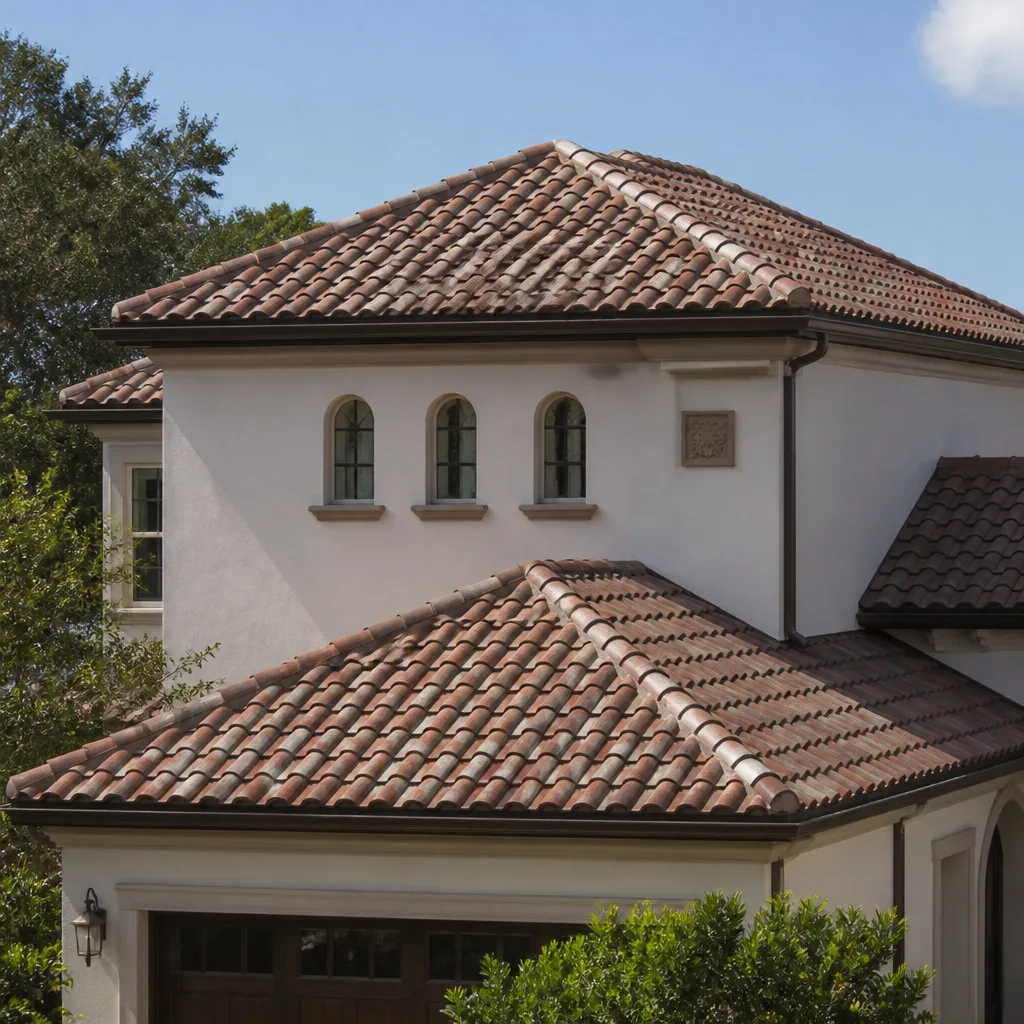
 Tile roofing
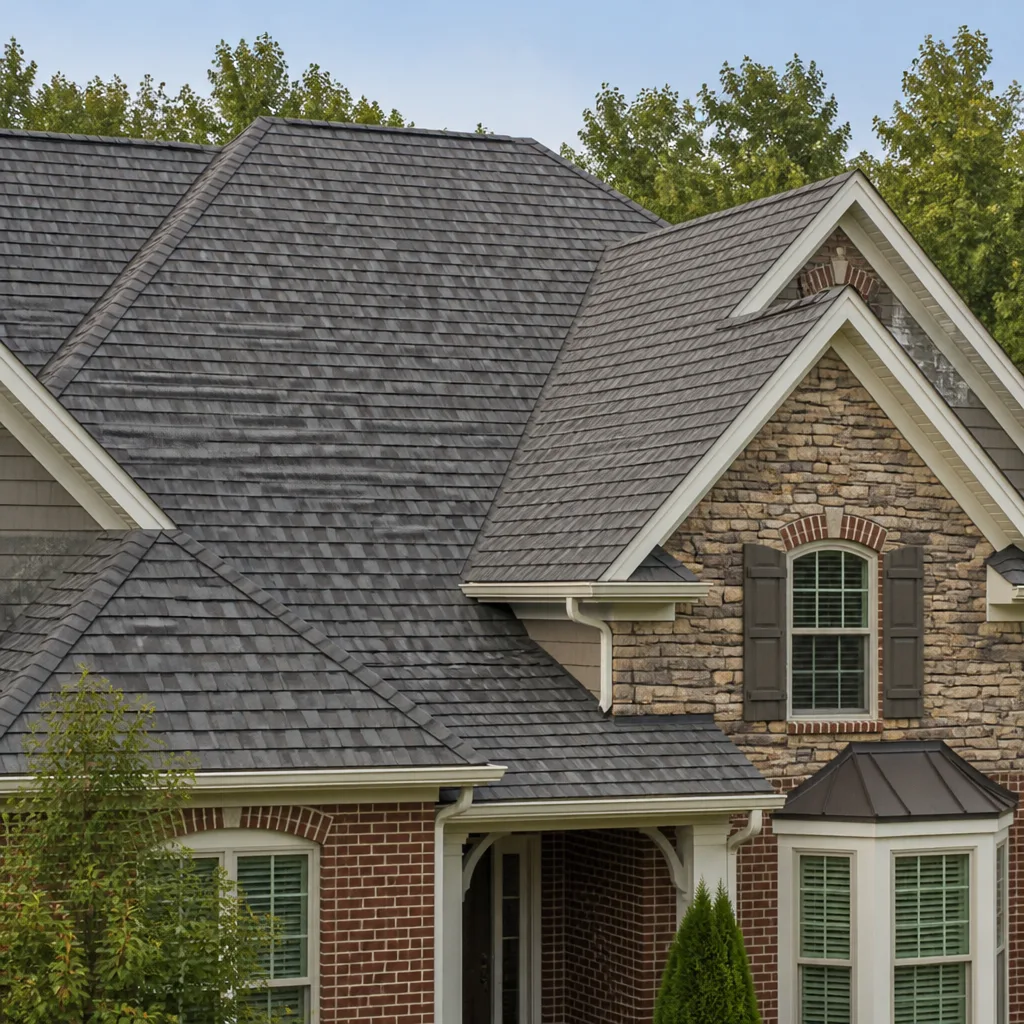 Architectural shingles
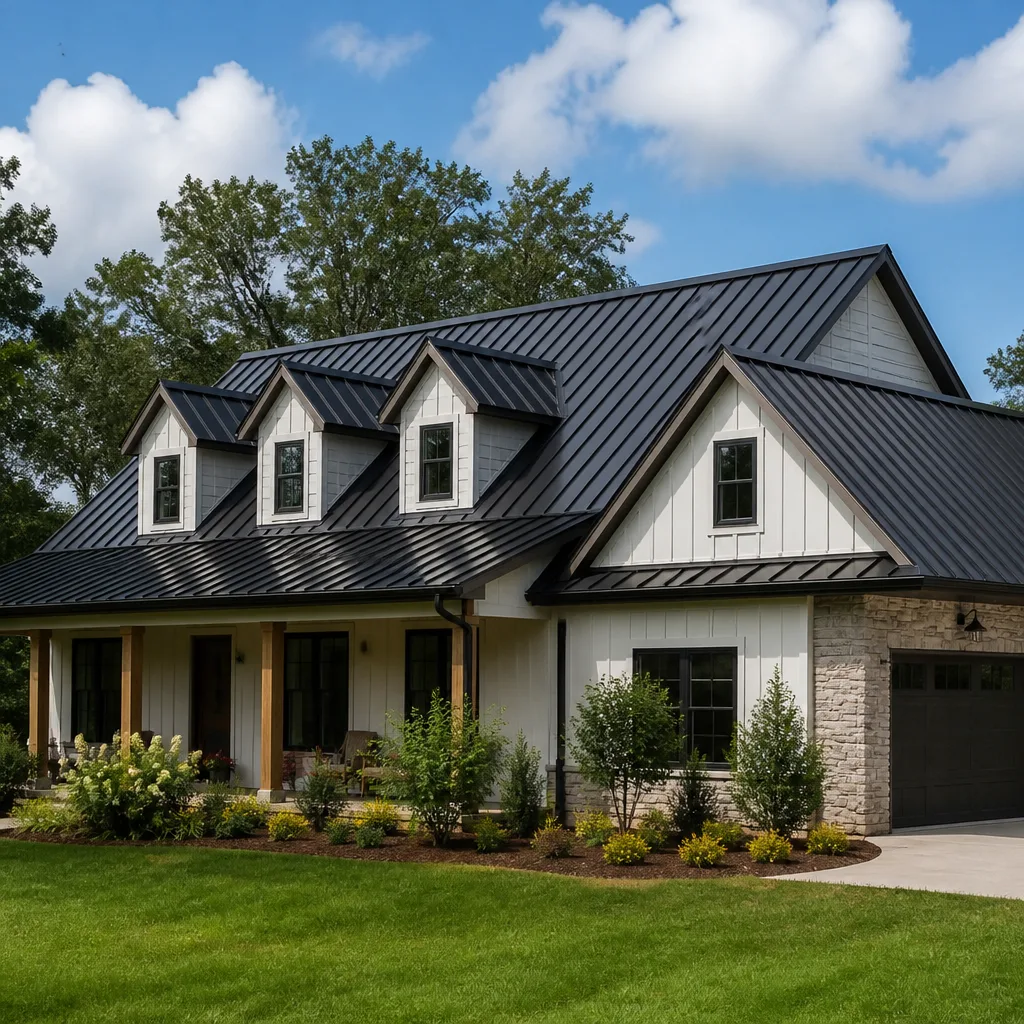 Metal roofing
 GAF
GAF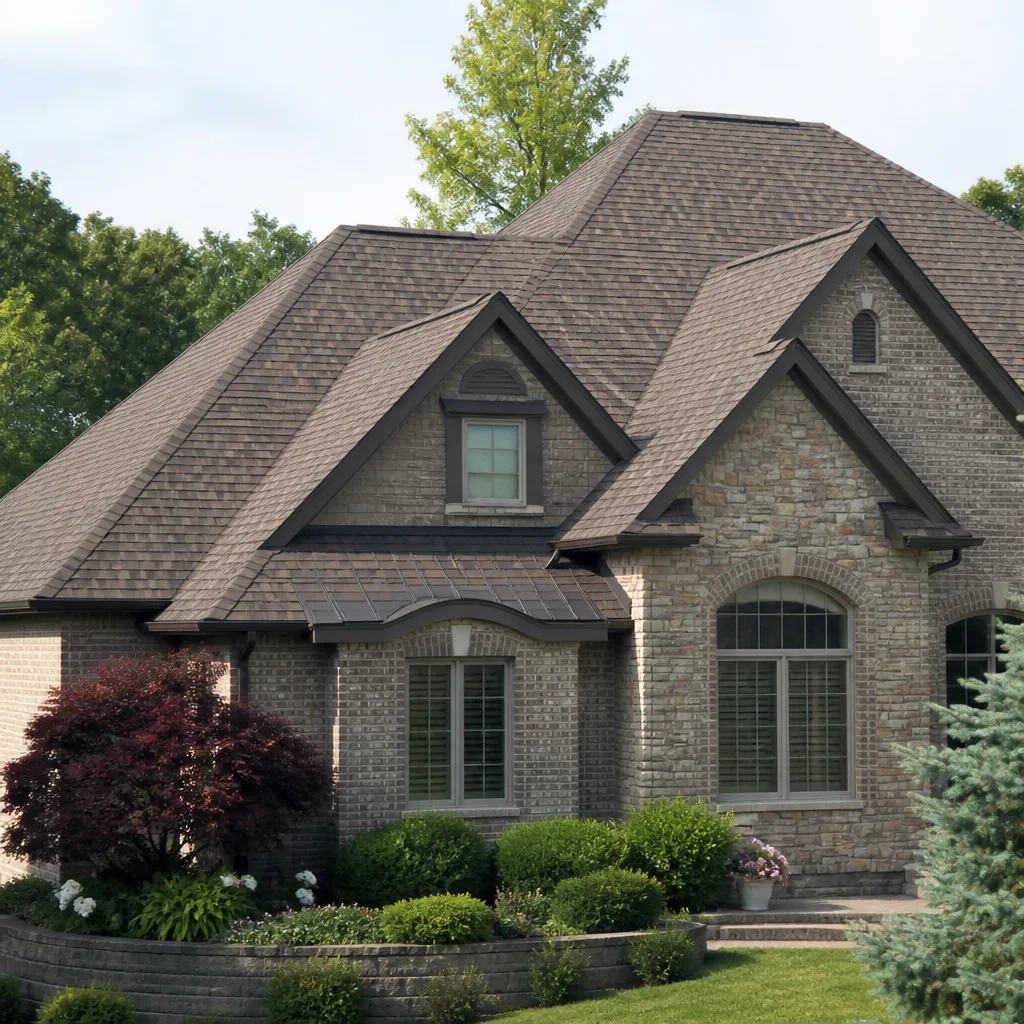 Owens Corning
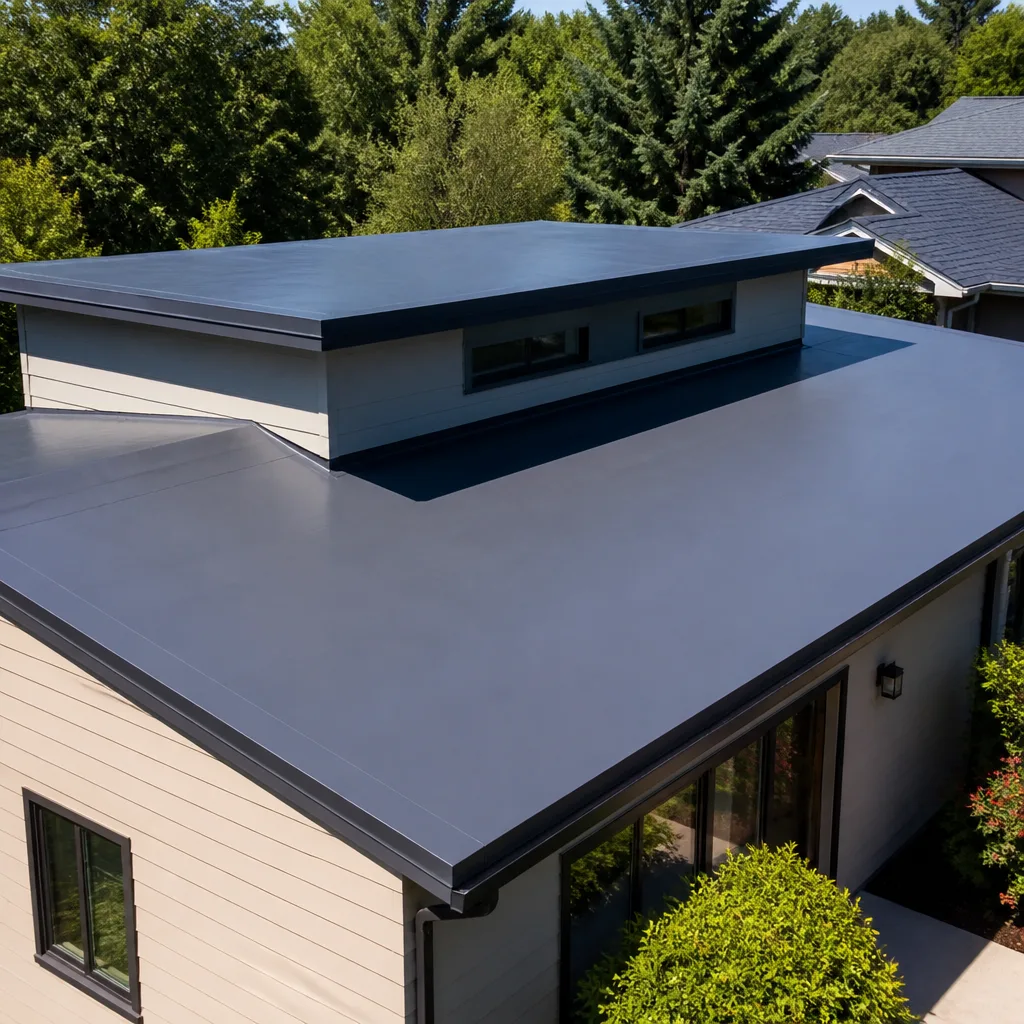 Flat & low-slope
Free roof inspection with deck photos before we talk money - GAF and Owens Corning certified installation
IKO Flashing Replacement: The San Jose Owner’s Guide
Replacing failed IKO flashing in San Jose typically runs between $450 and $1,100 installed, depending on the flashing type, roof pitch, and how many linear feet need attention. We stock IKO-compatible flashing on our trucks and can usually complete the swap the same day we diagnose the problem. Most San Jose homeowners discover their flashing has failed after a winter storm, when water starts showing up as a ceiling stain near a chimney, skylight, or wall intersection, or as dampness in the attic that nobody noticed until it started to smell.
Flashing is the thin metal, usually galvanized steel or aluminum, that bridges the joints where your roof meets something vertical: a chimney, a wall, a skylight, a vent pipe. When that bridge corrodes, pulls loose, or was installed wrong from the start, water gets under the shingles and follows the path of least resistance down into your home. IKO’s flashing products are built to match their shingle profiles and color lines, but they face the same reality as any flashing in San Jose: hot, dry summers that bake the metal, coastal moisture that creeps in overnight, and the occasional atmospheric river that dumps more rain in a week than the rest of the year combined.
We’re an independent roofing company, not affiliated with IKO, but we install and replace their flashing daily. This page is the guide I’d want if I were in your position: what went wrong, what it costs, and how to get it fixed without a second guess.
Which IKO Models This Applies To
IKO flashing works with the full IKO shingle line: Cambridge, Dynasty, Nordic, Marathon, and Royal Estate all use the same flashing profiles, but the finish matters. IKO’s color-matched flashing is built to blend with specific shingle colors, and if you care about how the roofline looks from the street or from a second-story window, you’ll want the flashing color that was paired with your shingle color at install. If the flashing is hidden behind a chimney or up against a wall, a galvanized or mill-finish aluminum piece does the job and costs less.
The practical way to know what you have: check the shingle wrapper from your install, which lists the IKO series and color name, then check the flashing itself. Original IKO flashing typically carries a stamped marking or a label on the underside with the part number. If it’s too weathered to read, we measure the profile. IKO step flashing comes in standard 4-inch and 5-inch rises, and the height of the wall you’re flashing against determines which one you need. California building code requires a minimum 4-inch rise for step flashing at sidewalls, but on steeper pitches or taller wall intersections we often see 5-inch rise specified. That’s the kind of gotcha that matters: use a 4-inch rise where the code or the wall height calls for 5, and the first good rain finds the gap.
For replacements, we offer genuine IKO flashing when the color match matters and the budget allows, plus a quality aftermarket equivalent that meets the same ASTM specs and carries our written guarantee either way. Both are on the truck. We also keep IKO-compatible flashing in stock alongside parts for GAF, Owens Corning, and CertainTeed roofs, so the material fits what’s already on your house, not whatever happens to be sitting in the truck that morning.
Styles & brands we work with
Signs Your IKO Flashing Replacement Is Failing
- Stains on ceilings or walls near a chimney, skylight, or wall junction. Water that gets past flashing typically shows up as a brown or yellow ceiling stain within a few feet of the penetration, often after rain. The stain may dry and fade between storms, which fools people into thinking the problem went away. It didn’t; it’s just waiting for the next rain.
- Visible rust or corrosion on exposed metal flashing. IKO flashing, like most residential flashing, is galvanized, but years of San Jose sun and damp air eventually break down the zinc coating, and once the base steel starts to rust, it thins and develops pinholes. If you can see rust from the ground or from a ladder, the flashing is in its final season.
- Lifted or separated flashing pieces at a wall or chimney. Temperature swings make flashing expand and contract, and old sealant dries out and loses its grip. When a piece of step flashing pulls away from the wall by even a quarter inch, water runs behind it and travels down the wall sheathing. This is the most common failure I see on IKO roofs that are 12 to 18 years old.
- Granules from your shingles collecting in gutters below a flashing point. Flashing problems don’t always start with the metal. If the shingles around the flashing are losing granules faster than the rest of the roof, water has been channeling there, and the shingle surface is wearing. The flashing may still be intact, but the system around it is failing.
- Daylight visible from the attic around a vent pipe or chimney chase. On a clear day, go into your attic with the lights off and look toward any roof penetration. If you can see pinpoints of daylight, water can see the same opening. This is a five-second check that catches flashing failures before the drywall tells you about them.
See the difference
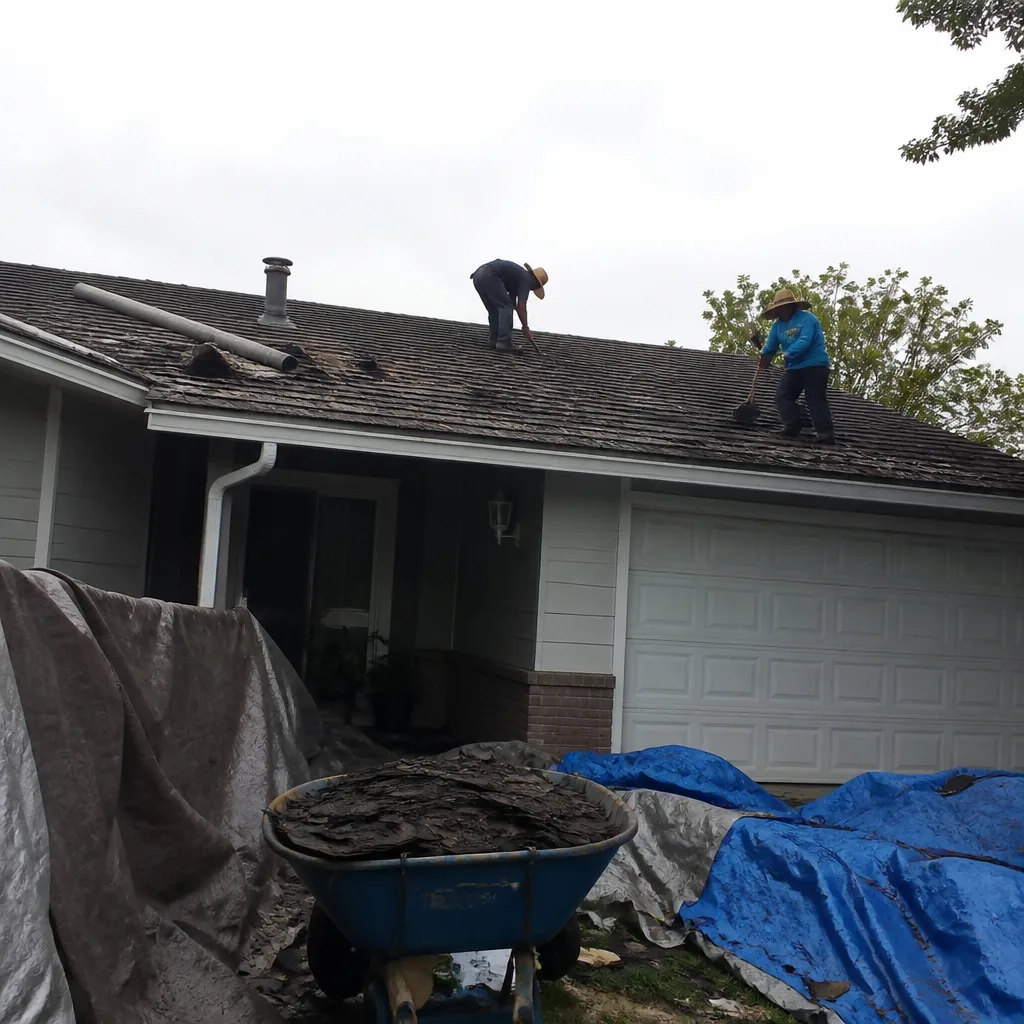 Before
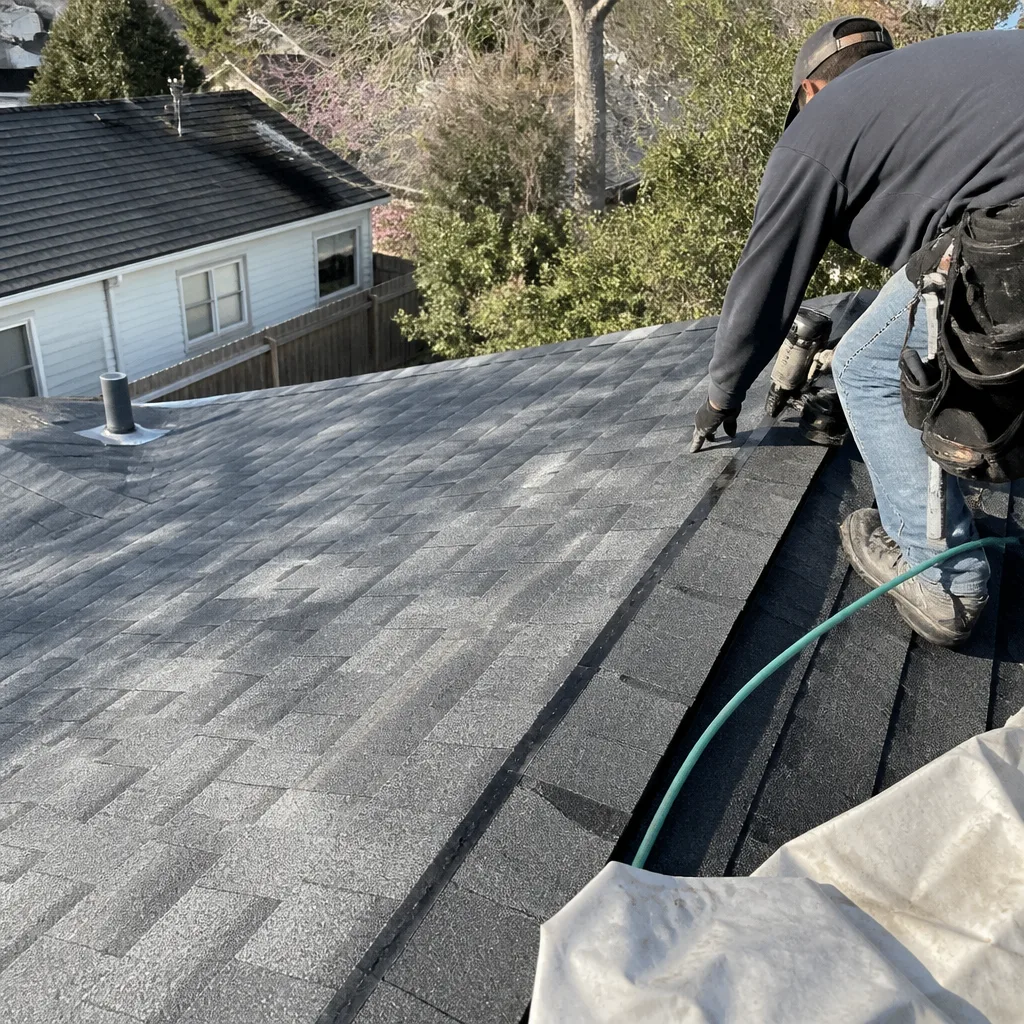 After
After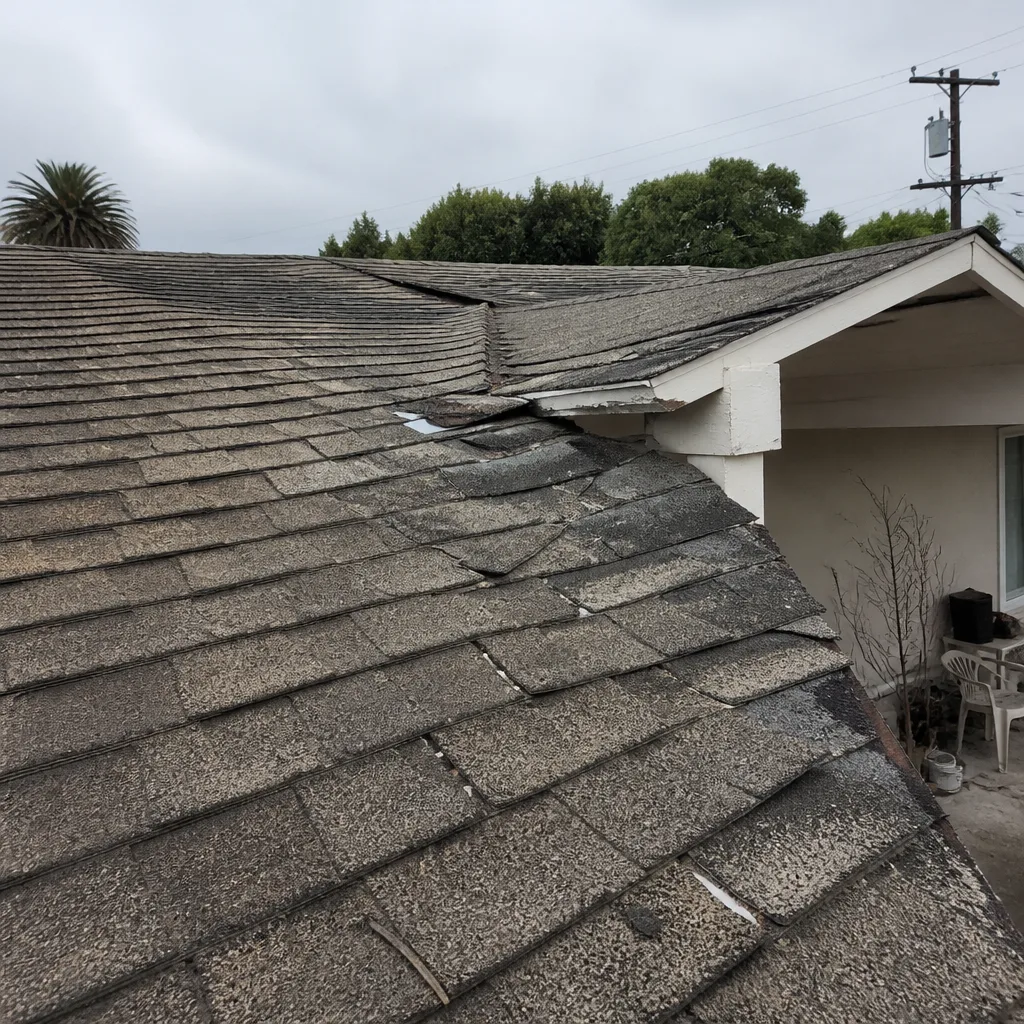 Before
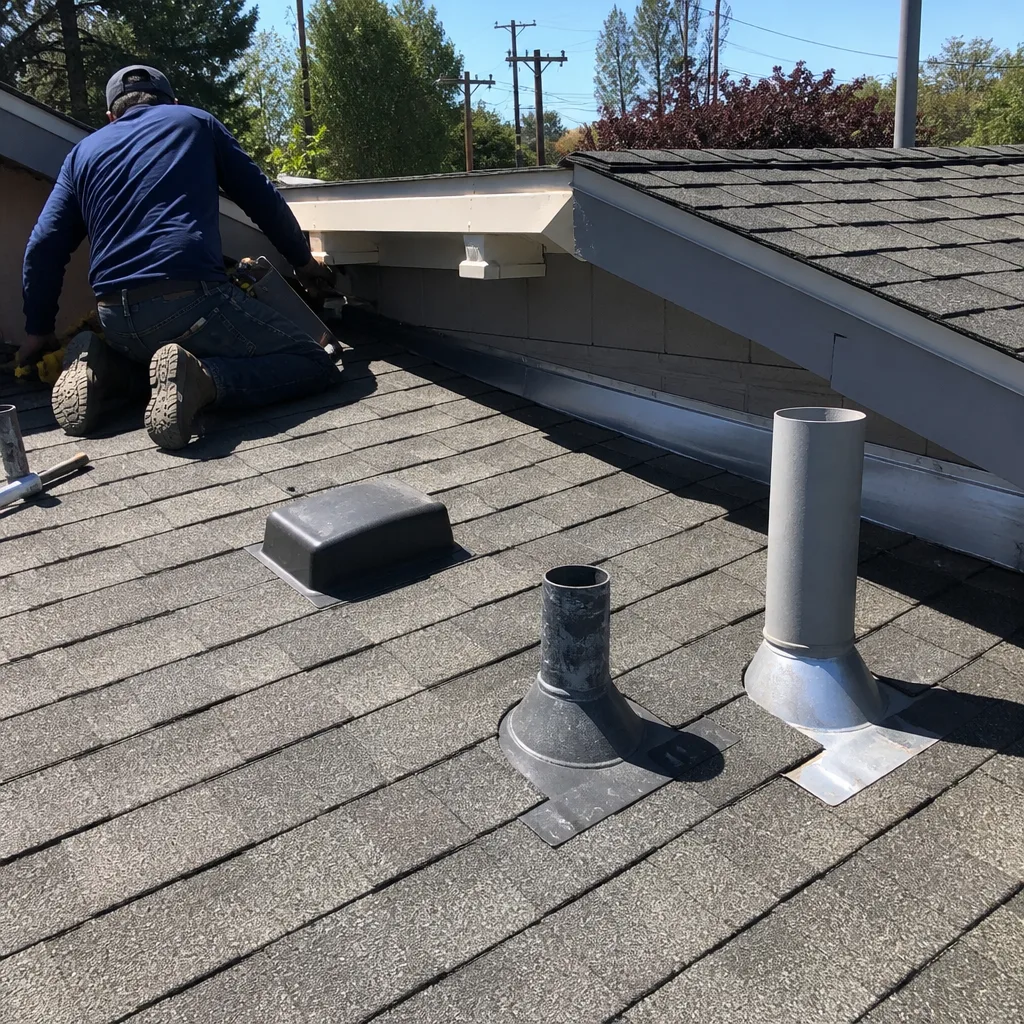 After
After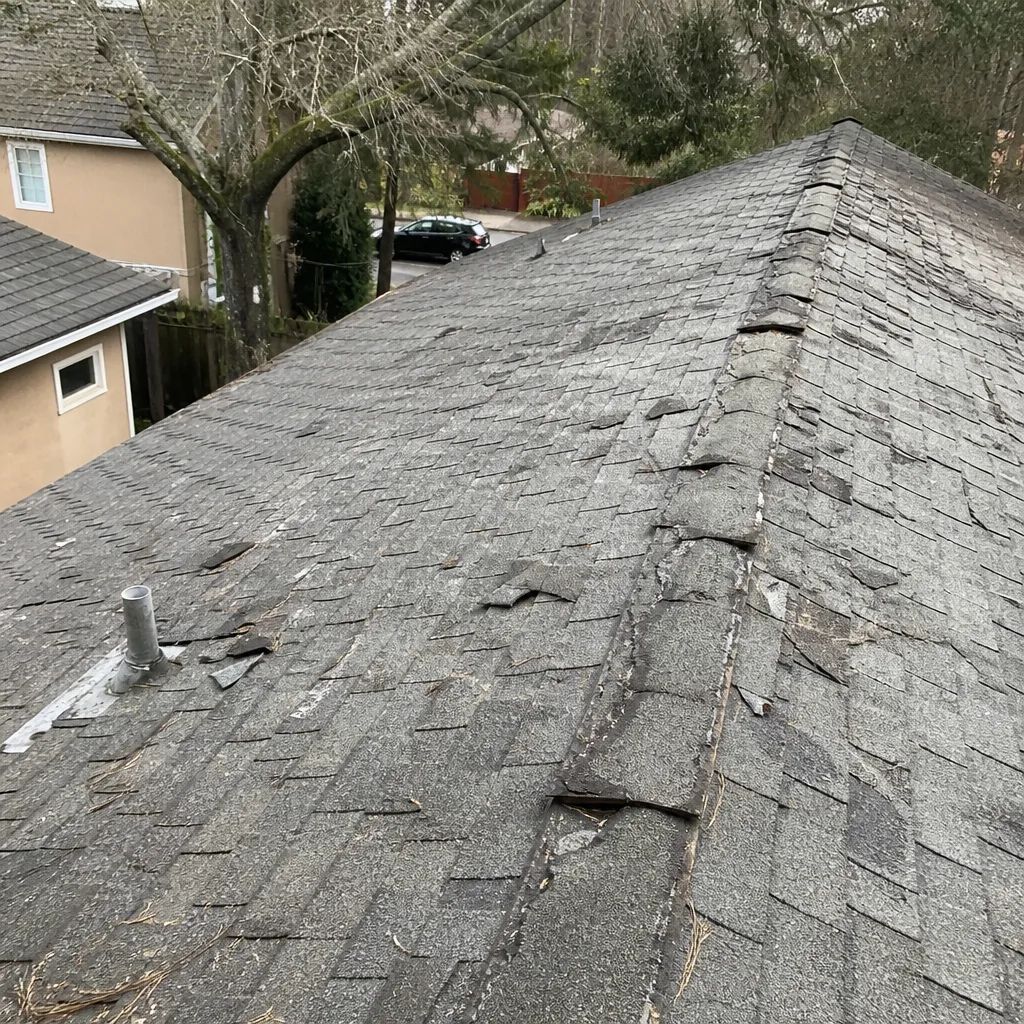 Before
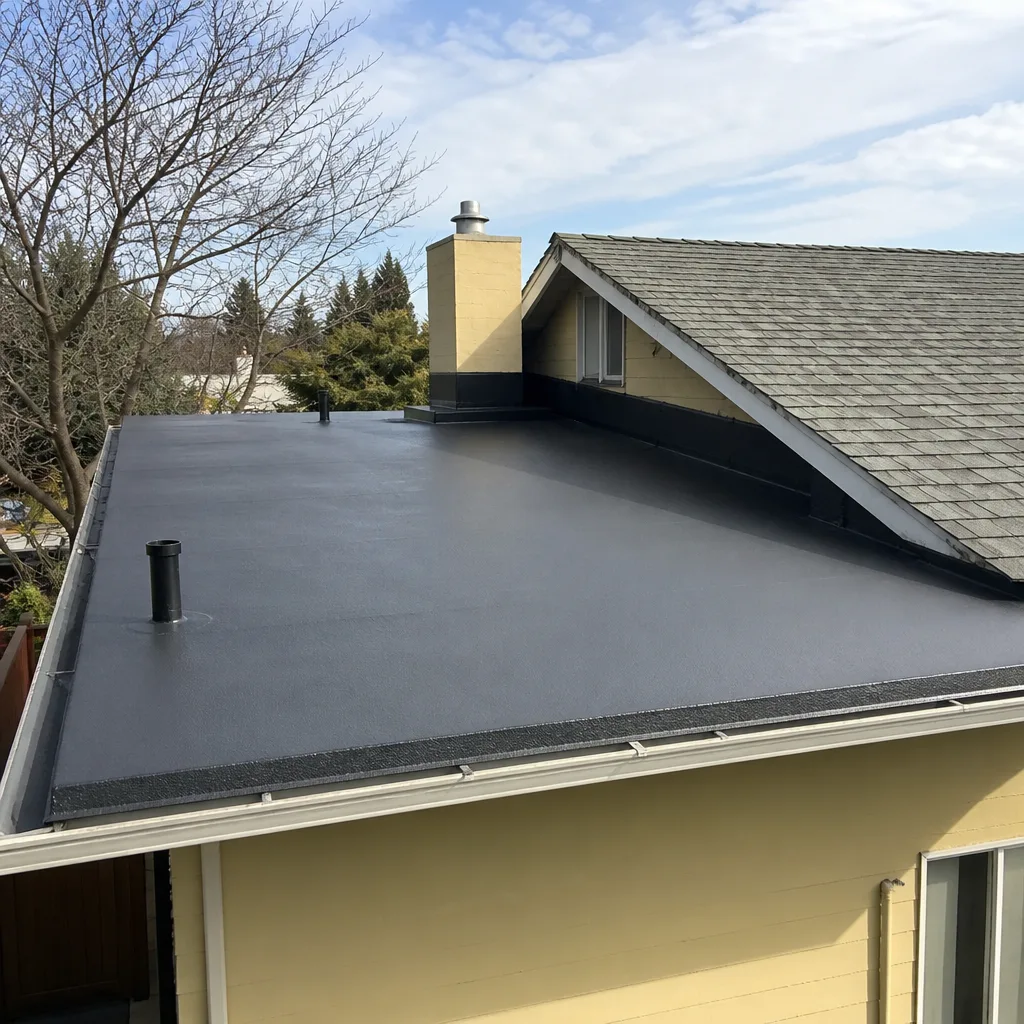 After
AfterReplacement Cost & What’s Included
In San Jose, IKO flashing replacement typically lands between $450 and $1,100 for most single-penetration repairs. A simple vent pipe flashing replacement runs $450 to $600. Step flashing along a sidewall of 10 to 20 linear feet runs $600 to $900. Chimney flashing with new counterflashing and sealant runs $850 to $1,100. Full re-flashing of a skylight or complex valley sits at the top of that range or slightly beyond, depending on what the existing structure looks like once we open it up.
What moves the price: roof pitch and height (steeper, higher roofs take more time and safety equipment), access (a chimney in the middle of a cut-up roofline costs more than a vent pipe near the eaves), and whether the underlying decking or shingles need repair. Our price includes the flashing material, removal of the old failed pieces, new fasteners and sealant, and the re-set of surrounding shingles. Every quote is a written price before work starts, itemized by part and labor, and it doesn’t change once you approve it. Every flashing replacement comes with the 365-Day Done Right Promise: if anything about the repair fails inside a year, we come back and make it right at no charge.
DIY or Call Us?
What you can safely check: the attic daylight test I described, the condition of visible flashing from the ground with binoculars, and whether your gutters below a chimney are filling with granules. Those checks are free, safe, and genuinely useful for knowing whether you have a problem. What I’d caution against is ladder work on anything above a single story, and any attempt to lift existing shingles and slide new flashing under them without the right tools and experience. Shingles get brittle with age, especially in San Jose’s heat, and one wrong lift cracks a shingle and turns a $600 flashing job into a shingle replacement too. The same goes for re-sealing flashing with a caulk gun: it feels like a fix, but it usually buys one season and then fails worse, because the water was never stopped, just redirected.
If you’ve got an older IKO roof with flashing that’s rusted through or pulled loose at the wall, call us at (669) 274-0078. We’ll look at it, tell you what’s actually wrong, and give you a written price before anything moves. Tell me what’s on your roof and I’ll tell you what it needs, straight answer, no guesswork.
FAQs
Most IKO flashing lasts 15 to 20 years in San Jose’s climate, with exposed chimney and wall flashing at the shorter end of that range and vent pipe flashing often lasting longer. The combination of high summer UV, salty air when the marine layer pushes over the Santa Cruz Mountains, and winter rain cycles typically wears exposed flashing faster here than in drier inland cities.
Small issues like a separated joint or dried sealant can sometimes be re-secured and re-sealed as a repair, but rusted-through flashing, flashing that has pulled loose at multiple points, or flashing that has been leaking for more than one season needs full replacement. Patching over rusted metal just creates a new seam for water to find. Call (669) 274-0078 for an honest assessment and a written price either way.
Most single-point flashing replacements, such as a vent pipe or a chimney flashing, take two to four hours including tear-off of the old metal, prep, install, and cleanup. A long sidewall run of step flashing can take half a day. We’ll tell you the window before we start and show up in it.
We stock IKO-compatible flashing in standard profiles and finishes on our trucks, along with flashing for GAF, Owens Corning, and CertainTeed roofs. If your roof needs a specific color-matched IKO flashing piece that isn’t on the truck, we order it same-day from our San Jose supplier network and typically install within 48 hours.
If your IKO flashing is failing, call Tilehurst Roofing San Jose at (669) 274-0078 for a free estimate. We answer the phone, give you a written price before any work starts, and stand behind every flashing replacement with our 365-Day Done Right Promise.
Written by Greg Holloway, Owner, Tilehurst Roofing San Jose at Tilehurst Roofing San Jose, serving San Jose and nearby areas.