
 Tile roofing
 Architectural shingles
 Metal roofing
 GAF
GAF Owens Corning
 Flat & low-slope
Free roof inspection with deck photos before we talk money - GAF and Owens Corning certified installation
Tamko Ridge Vent Installation: The San Jose Owner’s Guide
Tamko ridge vent installation in San Jose typically runs $12 to $18 per linear foot installed, with most single-family homes landing between $450 and $900 all-in depending on roof length, the condition of the existing decking at the ridge, and whether we’re replacing a failed vent or cutting a fresh opening. We stock Tamko-compatible 4-foot vent sections on our trucks and can usually handle the swap in one visit, often the same week you call. Most homeowners discover the problem the way you probably did: a water stain on the ceiling near an exterior wall, granule dust in the gutters directly below the ridge line, or a neighbor pointing out that the vent shingles are curling upward like they’re trying to wave at an airplane.
Which Tamko Models This Applies To
Tamko’s ridge vent line runs through a few distinct products, and the compatibility questions matter more than most roofers let on. The workhorses are the Tamko Metalworks Ridge Vent, the Tamko Hip Ridge Vent, and the Tamko Retro-Fit Ridge Vent, each with different profiles that sit against your shingle course differently. The Metalworks vent is the most common one we see on San Jose homes built since the late 1990s, and it’s a rigid vent with a narrower profile that tucks tight under the cap shingles. The Hip Ridge is what it sounds like: built for hip roofs, where the ridge doesn’t run in one straight line but bends around corners. The Retro-Fit unit exists for a practical reason: it’s designed to be installed from inside the attic when the roof itself is fine but the old vent needs replacing without disturbing the shingle field.
The compatibility gotcha with Tamko vents comes down to width and nail flange. Tamko’s vents sit at 11-1/4 inches wide for the Metalworks and 10-1/2 inches for the Retro-Fit, which matters because some aftermarket “universal” vents run 12 inches or wider and will not seat correctly under the cap shingles without pushing them up at the edges. That lifted edge catches wind the same way a loose shingle does. If you can get into your attic during daylight, look up at the ridge and you’ll typically see the manufacturer label printed on the vent material itself. If the label is gone, measure the vent width at the attic side and check whether it’s rigid or flexible. Both details tell us which Tamko product you have before we order a single component. Tilehurst Roofing San Jose is an independent roofing company and not affiliated with Tamko, but we install their vents daily and know the product line well enough to match it correctly the first time.
Styles & brands we work with
Signs Your Tamko Ridge Vent Installation Is Failing
- Water stains on the ceiling, especially along exterior walls: Ridge vents fail at their seams and end caps first. When the seal between vent sections opens up, rainwater that used to run off the roof now walks straight down through that gap and into the attic. The stains usually appear near outside walls because that’s where the water travels before it pools on the drywall.
- Granule dust showing up in gutters below the ridge: The cap shingles over a ridge vent wear faster than field shingles because they sit at the roof’s highest heat point with less airflow underneath them. When those cap shingles start shedding granules, the vent beneath them is usually next in line for exposure.
- An attic that feels like a sauna in July, even with ridge venting present: San Jose’s summer heat pushes roof surface temperatures past 150 degrees. A working ridge vent pulls that hot air out continuously. When the vent is clogged, crushed, or the original installer cut the slot too narrow, the attic gets stagnant and your air conditioner works overtime.
- Birds, wasps, or rodents getting into the attic: Ridge vents have baffles meant to keep wildlife out while letting air pass. Once the plastic or metal baffle degrades from UV exposure and heat cycling, it becomes a doorway. We’ve pulled wasp nests out of Tamko vents more times than I can count in the neighborhoods around Willow Glen and Almaden.
- The vent shingles are lifting, cracked, or missing entirely: When cap shingles start to fail, the vent underneath takes direct sun and rain. The sign is usually visible from the street: the ridge line looks uneven, with pieces sticking up at odd angles. That’s the vent telling you it’s been waiting too long.
See the difference
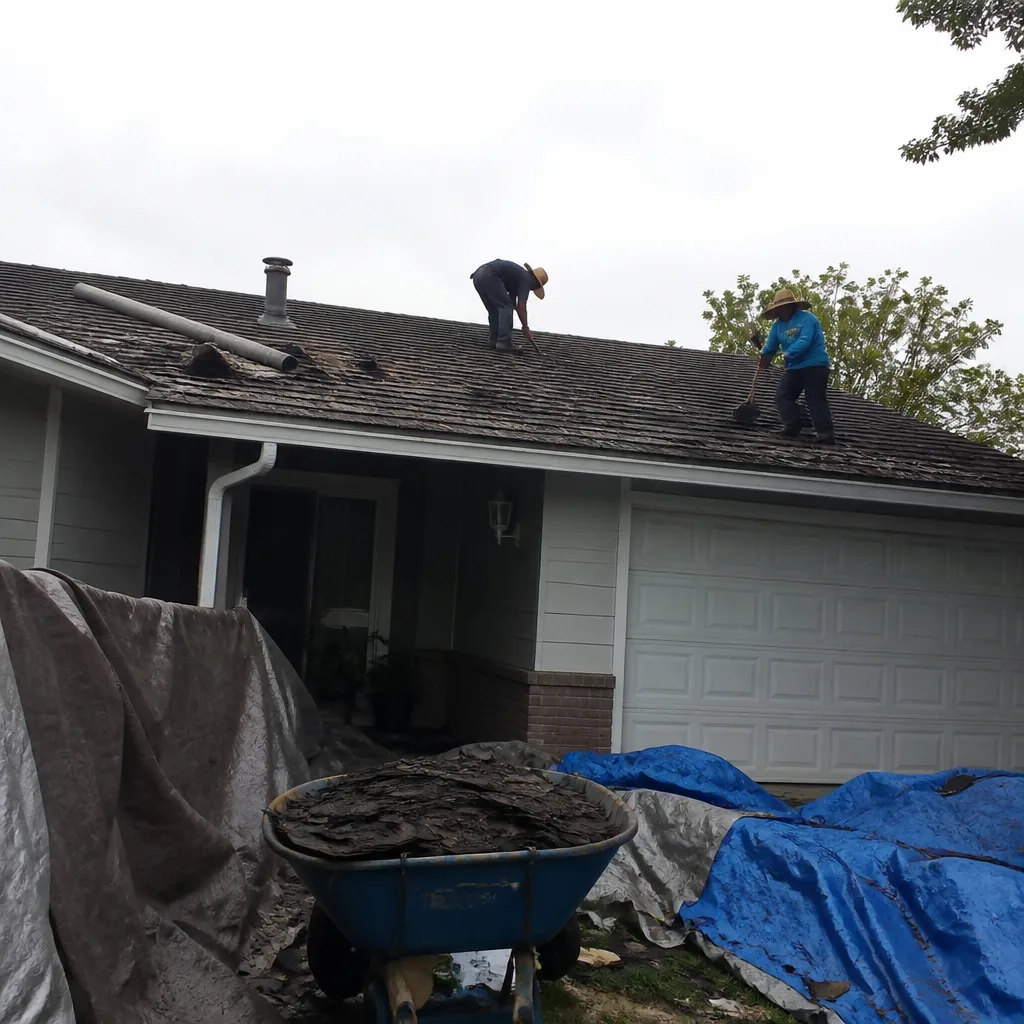 Before
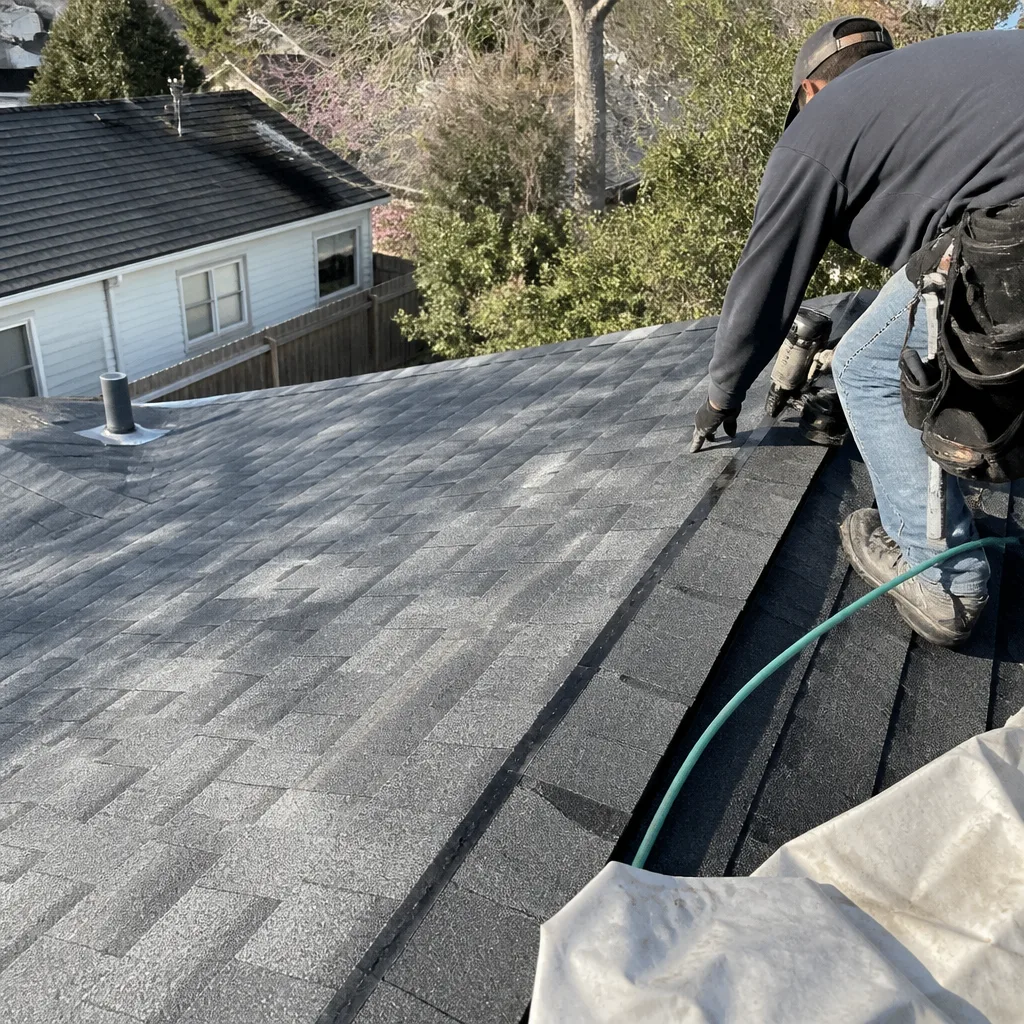 After
After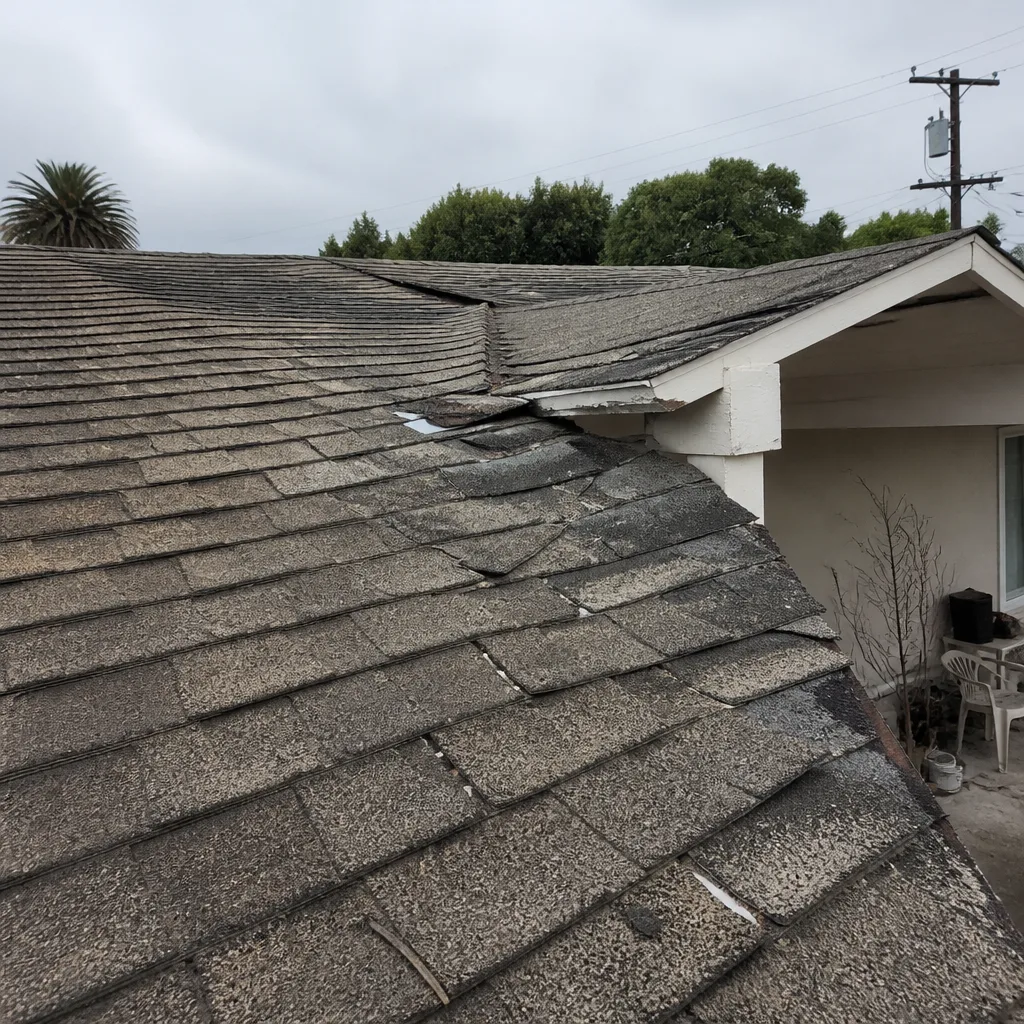 Before
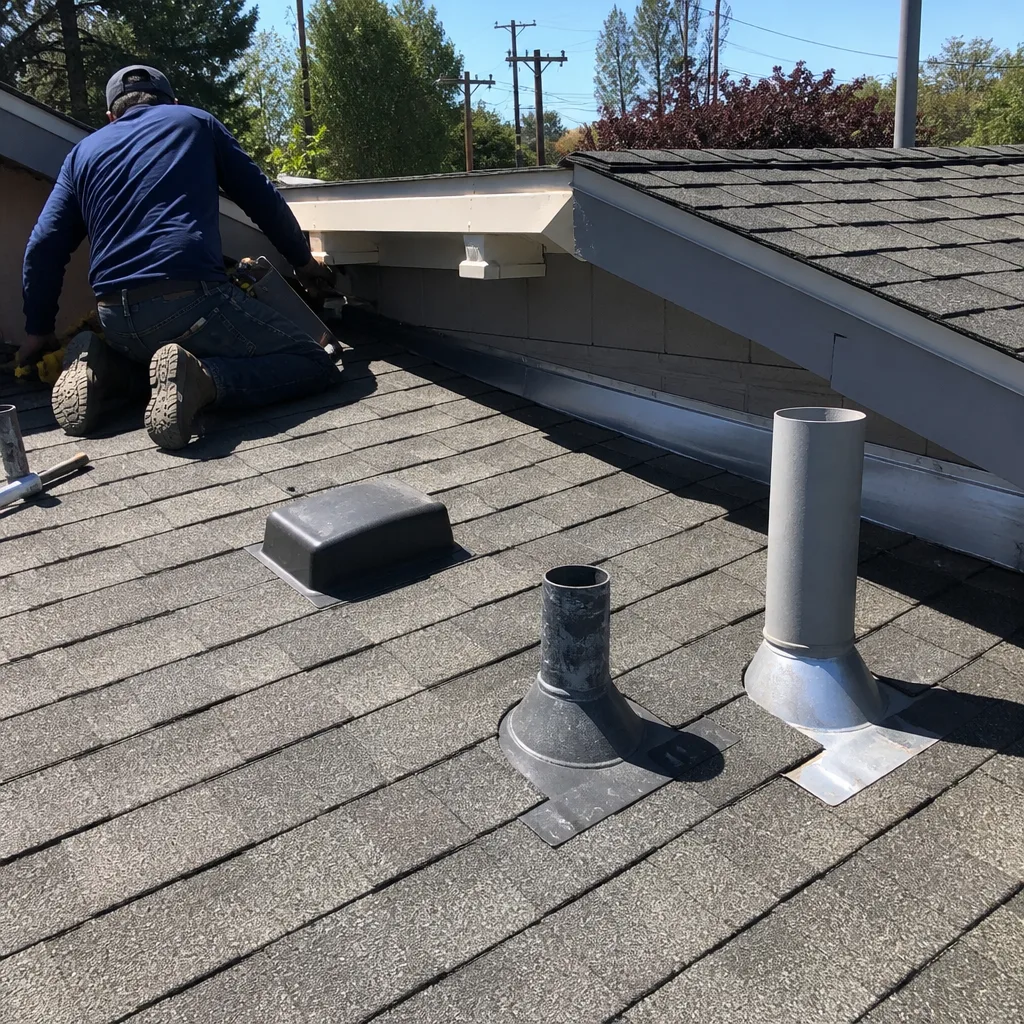 After
After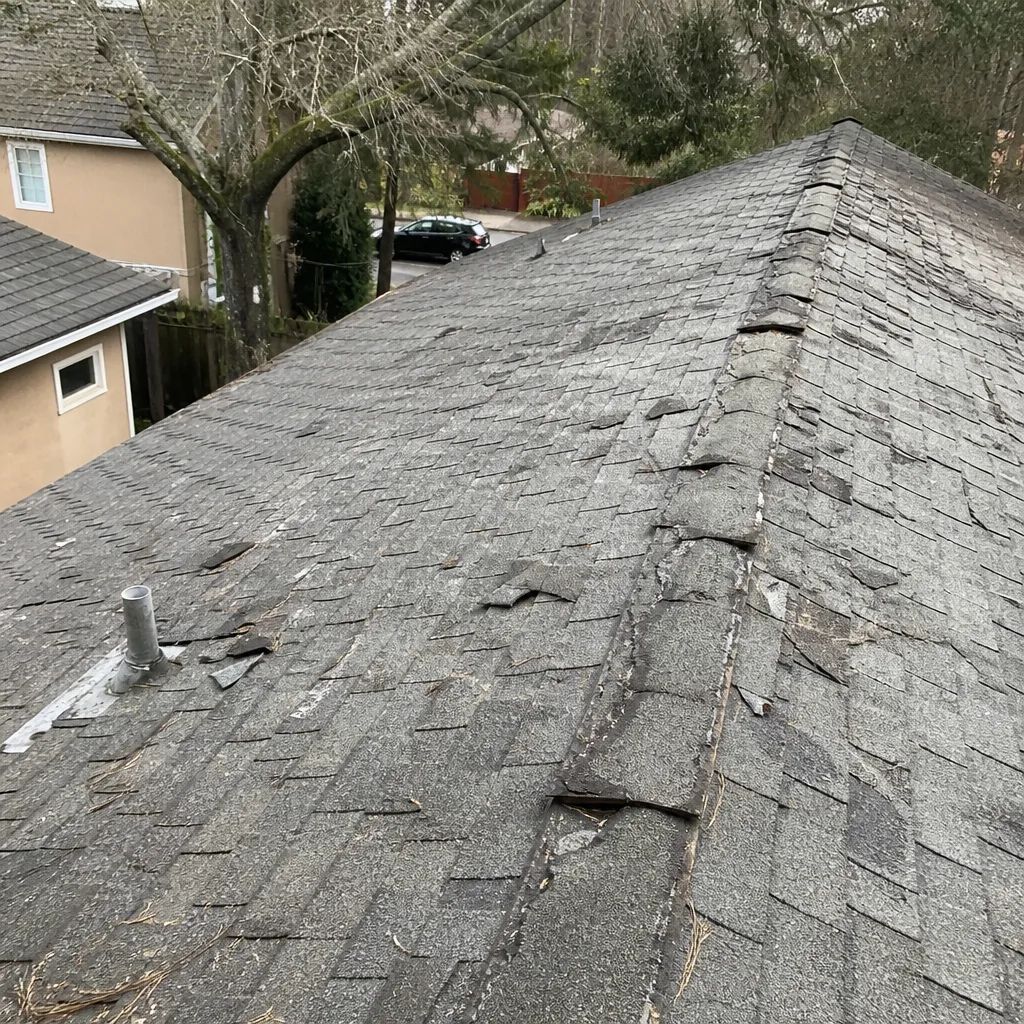 Before
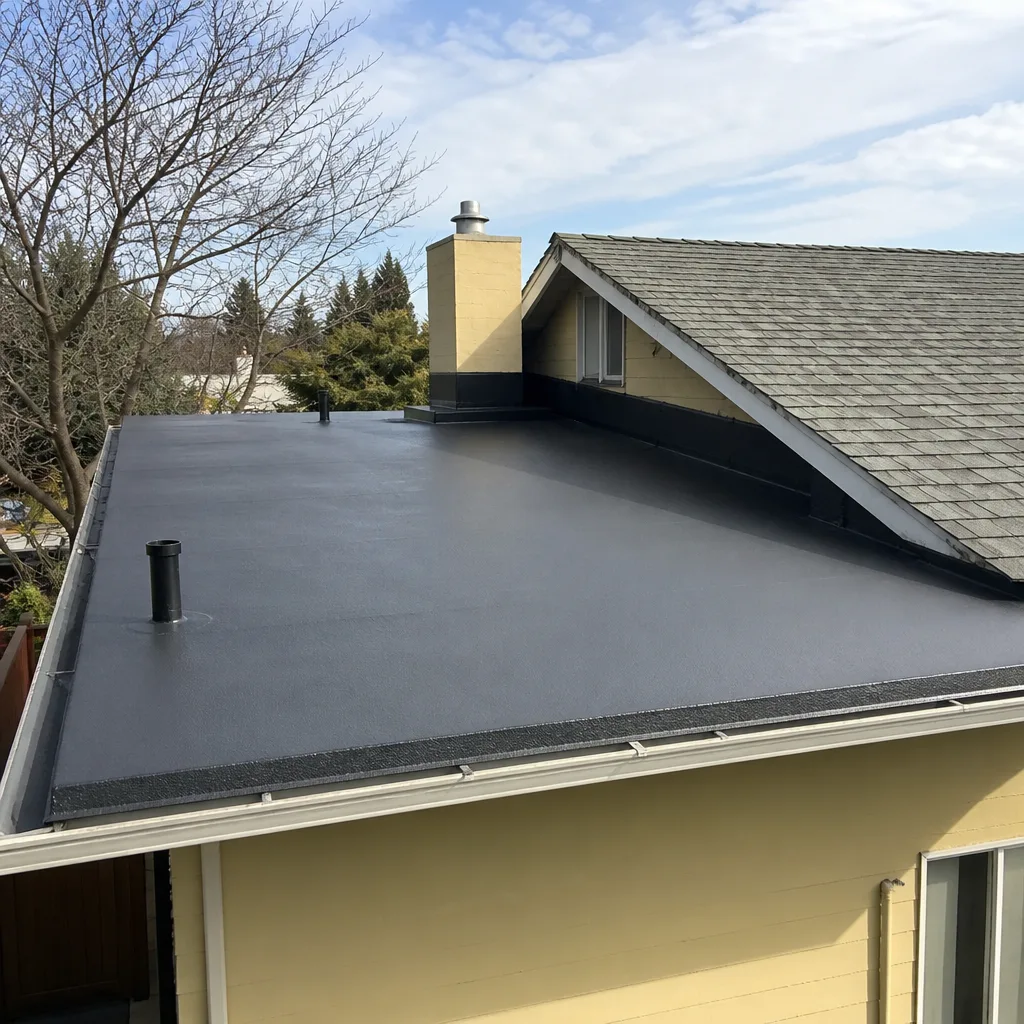 After
AfterReplacement Cost & What’s Included
In San Jose, expect to pay $12 to $18 per linear foot for Tamko ridge vent replacement, installed. Here’s the breakdown:
- Vent material: $4 to $6 per linear foot for Tamko-compatible vent sections, which is roughly $25 to $35 per 4-foot piece at supplier pricing.
- Cap shingles and fasteners: $2 to $4 per linear foot, including the nails, sealant, and end caps.
- Labor and removal: $6 to $8 per linear foot, including pulling the old vent, inspecting the ridge decking, cutting a clean slot if needed, and re-seating everything properly.
A standard 40-foot ridge on a 2,000-square-foot San Jose rancher typically runs $480 to $720 on that math, before any decking repairs. The biggest variable is what we find underneath: if the roof decking along the ridge has rotted from the vent leaking, that adds $3 to $5 per square foot for replacement plywood or OSB in that section. We give you a written line-item price before we start, and if the decking is bad we show you a photo of it from the attic or the roof before we pull the trigger. Every Tamko ridge vent we install carries our written workmanship guarantee under the 365-Day Done Right Promise, and the manufacturer’s warranty on the vent material itself runs separately from that.
DIY or Call Us?
Walking on a roof to replace a ridge vent is the moment where a $500 repair becomes a $3,000 vent-and-decking job, or a hospital bill. The pitch angle on most San Jose production homes runs 4/12 to 7/12, which is steep enough that a misstep near the ridge sends you sliding toward the gutter with nothing to grab. If you want to do your own detective work, the safe version looks like this: go into your attic during the day with the lights off and look for daylight at the ridge. A properly installed vent shows a narrow, even line of light down the center of the peak. If you see daylight at the ends, gaps of light between vent sections, or no light at all, you’ve found the problem. From there, call us. Greg Holloway grew up in Los Angeles, picked up his first roofing tools at Los Angeles Trade-Technical College, and has spent the better part of two decades running crews across San Jose. Tell me what’s on your roof and I’ll tell you what it needs – straight answer, no guesswork. Call (669) 274-0078 and we’ll get on the roof, take measurements, and give you a written price before anything moves forward.
FAQs
A Tamko ridge vent in San Jose’s climate typically lasts 10 to 15 years, though the cap shingles over it may need attention at the 8 to 12-year mark. The South Bay’s long hot summers bake the plastic or metal vent material, and UV exposure weakens the baffles faster than the vent’s nominal 20-to-30-year material rating would suggest. Call (669) 274-0078 if your vent is past the ten-year mark and you’re seeing any of the warning signs above.
Yes, in some cases: if the failure is a single vent section or an end cap, we can replace just that piece without pulling the whole ridge line. If the vent baffles are brittle, crushed, or the original installation didn’t cut a proper air slot, you’re better off replacing the full run for a few hundred dollars more. Call (669) 274-0078 and we’ll tell you which situation you have once we inspect it.
A standard 40-foot ridge vent replacement takes one crew about four to six hours on the roof, with another hour for cleanup and the written guarantee paperwork. We remove the old vent, inspect the decking, cut or widen the air slot if needed, install the new vent run, replace cap shingles, and seal the end caps the same day. Call (669) 274-0078 to schedule an inspection and get a written price.
We keep Tamko-compatible ridge vent sections, end caps, connectors, and cap shingles on our trucks when we’re doing a ridge vent job, which covers most single-family homes in San Jose without a return trip. If your roof runs an uncommon profile or has a long ridge, we’ll confirm what’s needed at the estimate visit and have it staged before the installation day. Call (669) 274-0078 and we’ll sort out exactly what your roof needs. Tilehurst Roofing San Jose also stocks ridge venting for GAF, Owens Corning, and CertainTeed systems, so we can match whatever’s already up there when a mixed-brand repair makes sense.
Written by Greg Holloway, Owner, Tilehurst Roofing San Jose at Tilehurst Roofing San Jose, serving San Jose and nearby areas.