
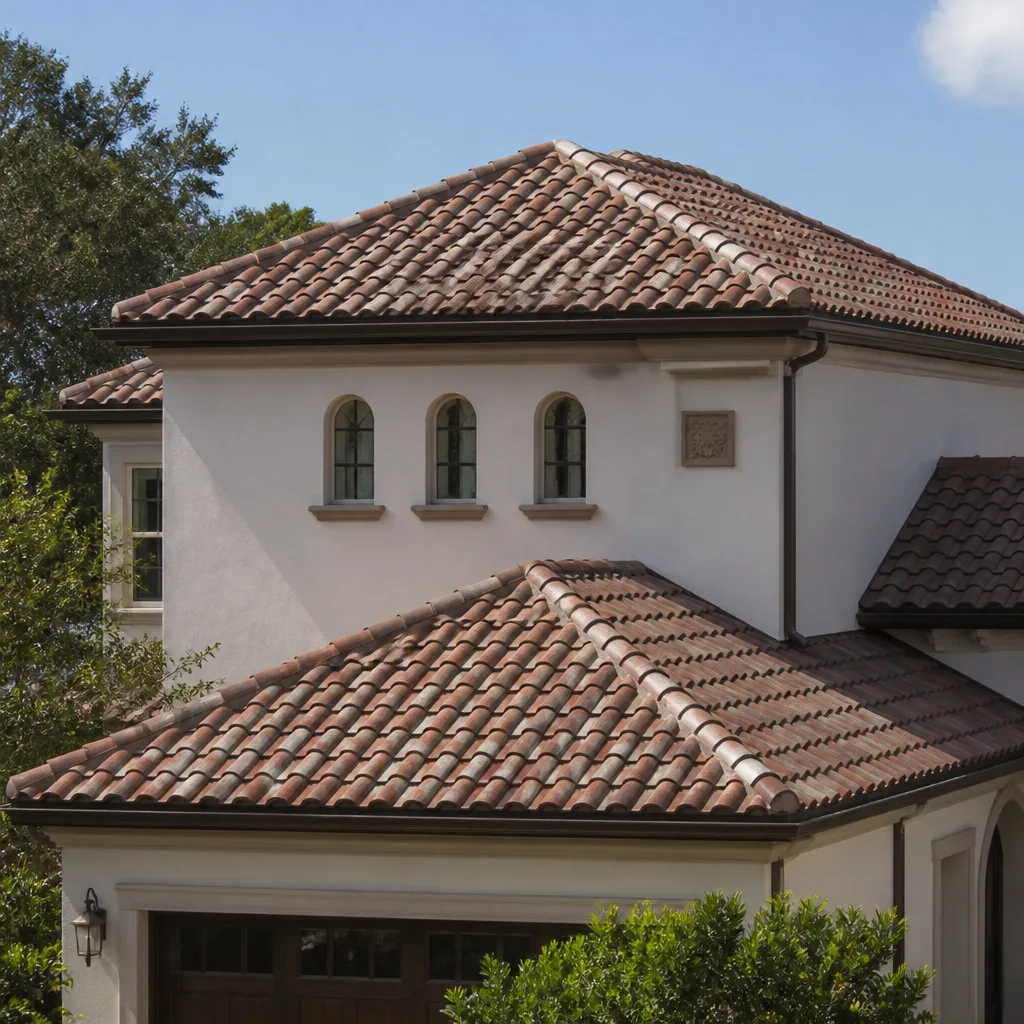
 Tile roofing
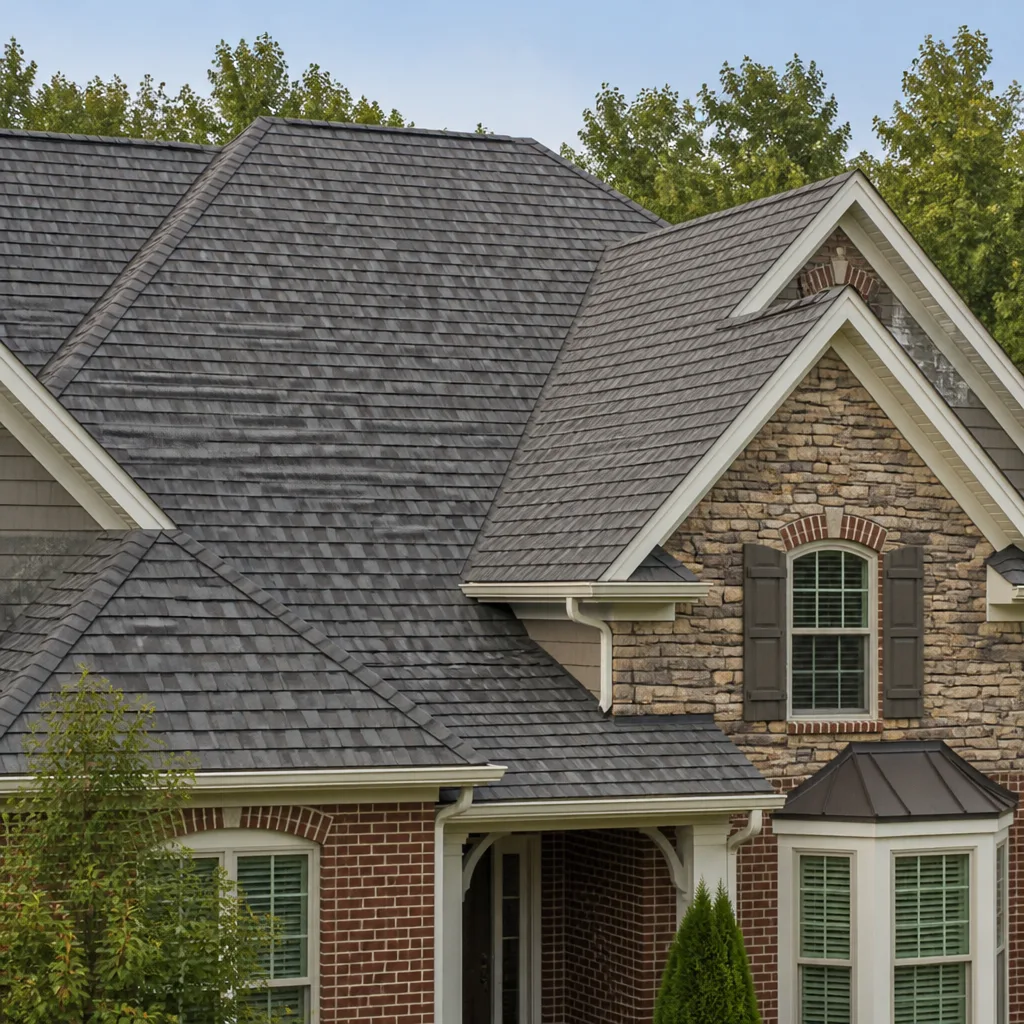 Architectural shingles
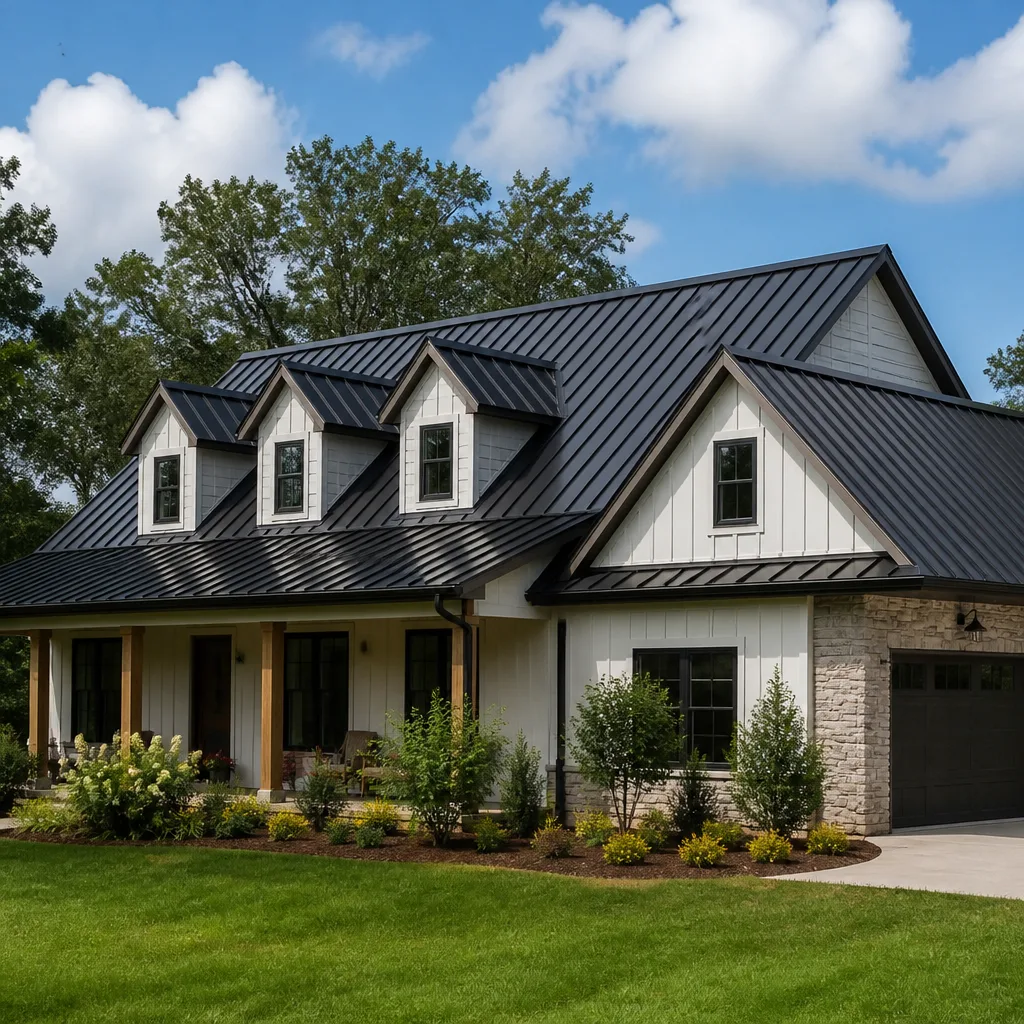 Metal roofing
 GAF
GAF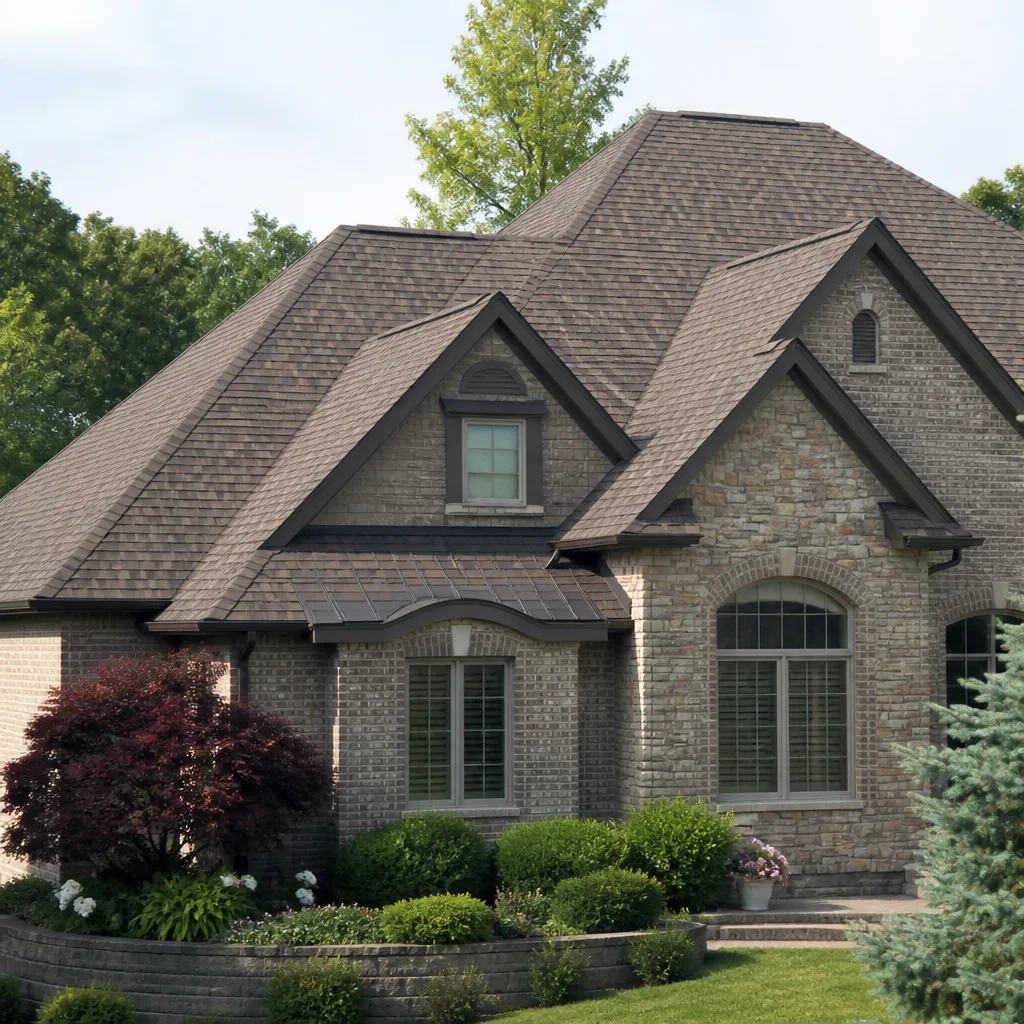 Owens Corning
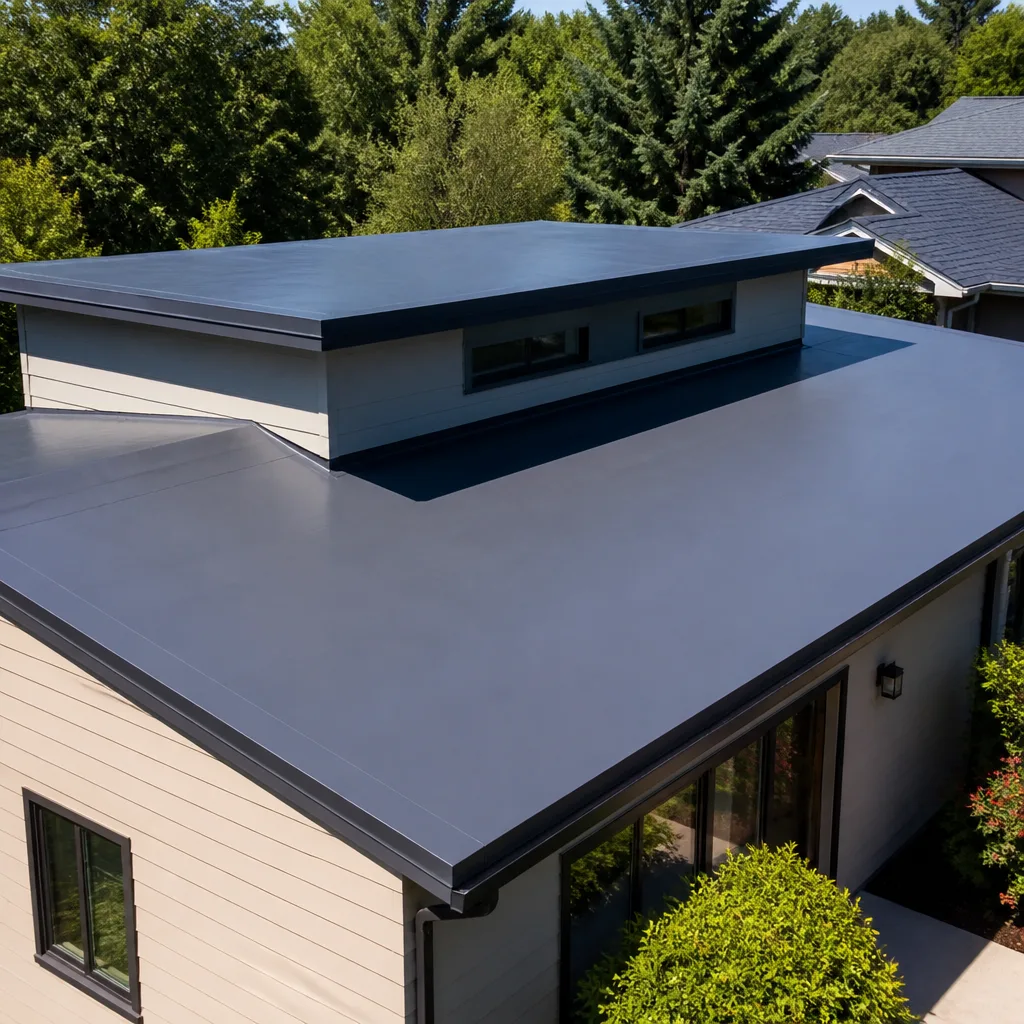 Flat & low-slope
Free roof inspection with deck photos before we talk money - GAF and Owens Corning certified installation
CertainTeed Flashing Replacement: The San Jose Owner’s Guide
We stock and install CertainTeed-compatible flashing replacement across San Jose, and most homeowners pay between $350 and $900 installed depending on the flashing location, how much of it has failed, and what it takes to access the area safely. We carry the common CertainTeed profiles on the truck, so a straightforward valley or step flashing swap is usually done the same day we arrive. The way most San Jose homeowners discover a flashing problem is the same story we hear every week: a stain shows up on the ceiling after the first real rain in months, and the leak traces back not to the shingles, but to the metal that was supposed to be quietly doing its job where two roof planes meet.
Which CertainTeed Models This Applies To
Flashing is not tied to one CertainTeed shingle line the way a specific ridge cap accessory is. The metal pieces we replace work with virtually every CertainTeed asphalt shingle system you’ll find on San Jose roofs: Landmark, Landmark Pro, Presidential Shake, Highland Slate, XT 25, and Northgate all use standard step, valley, drip edge, and pipe boot flashing profiles. What matters more than the shingle model is the metal dimensions and the gauge, and that’s where we see homeowners get tripped up.
CertainTeed’s own accessory line includes galvanized and aluminum flashing in standard 10-foot lengths, with step flashing typically cut at 4x4x8 inches and valley flashing in 14- or 20-inch open widths. If your home was built or re-roofed in the last decade, you may also have CertainTeed’s WinterGuard waterproofing membrane layered under the flashing in the valleys and at the eaves. That membrane matters: in San Jose’s older ranch homes, particularly around Cambrian Park and the Rose Garden district, we regularly find that the original metal is fine but the underlayment beneath it has dried out and cracked after fifteen or twenty years of summer heat. When that happens, the correct fix is not just a piece of metal. We pull the flashing, replace the compromised underlayment with a compatible membrane, and then install new metal over it. It’s a half-day job, not a one-hour patch.
One compatibility gotcha worth knowing: CertainTeed’s prefinished aluminum flashing typically carries a polyethylene film on one side, and certain cutters leave a burr that scratches the shingle sealant below it. We debur every cut edge before the flashing goes down. It’s a small step most crews skip, and it’s exactly the kind of thing that separates a repair that lasts a decade from one that starts leaking again in two years.
We’re an independent San Jose roofing company, not affiliated with CertainTeed. What that means for you is we will install the right metal for the job, CertainTeed’s own accessory line when the existing system calls for it, or a quality aftermarket equivalent when the spec is identical and the price is better. You get a straight answer on the difference before we touch your roof.
Styles & brands we work with
Signs Your CertainTeed Flashing Replacement Is Failing
- Water staining on the ceiling near a wall or corner. This is the classic step flashing failure. Water sneaks in where the roof meets a vertical wall, usually because the individual pieces of step flashing have lifted, corroded, or shifted over years of expansion and contraction in San Jose’s hot summers. The stain often shows up in the drywall below the roofline, a foot or more inside the wall plane.
- Dampness or staining in the attic at roof intersections. Valleys carry more water than any other part of the roof surface, and when valley flashing corrodes through or the seam splits, you’ll see dark streaks on the decking under the valley before you ever see a drip on the ceiling. We find this pattern constantly in homes built in the 1970s and 1980s across Willow Glen and Almaden Valley, where the original galvanized flashing is now past its service life.
- Granules collecting in gutters below a valley or wall line. Granule loss signals the shingles are wearing, but when it’s concentrated directly below a flashing run, it’s often because a lifted flashing edge has been vibrating in the wind and sanding the shingle surface like a file. The flashing is the failure, and the shingle damage is the result.
- Visible rust, cracks, or pull-away on exposed flashing. Walk the roof edge with a pair of binoculars if you’d rather stay on the ground. Look at the metal at the chimney base, around plumbing vents and skylights, and along headwalls. In San Jose’s relatively dry air, rust is a slower killer than in coastal zones, but it’s still the number one reason pipe boot flashing fails by year fifteen. When the rubber collar around a plumbing vent pipe hardens and splits, which the South Bay sun accelerates, water follows the pipe straight down into the house.
- A leak that only appears after long, heavy rain. Fast showers often don’t produce visible leaks because the water needs to accumulate before it finds the path created by failed flashing. The first big atmospheric river of the season is when we get the phone calls. If it leaked during last winter’s January storms and you told yourself you’d keep an eye on it, that was the warning, not the event.
See the difference
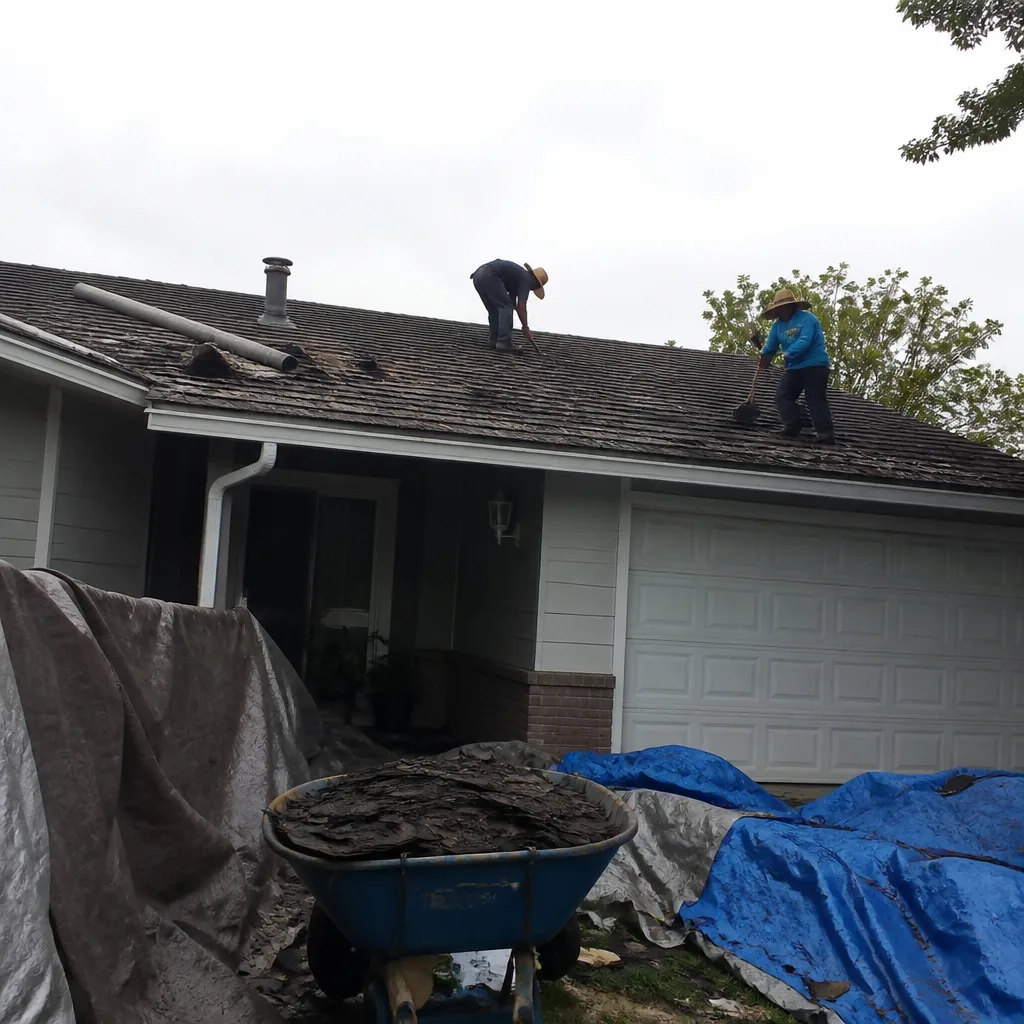 Before
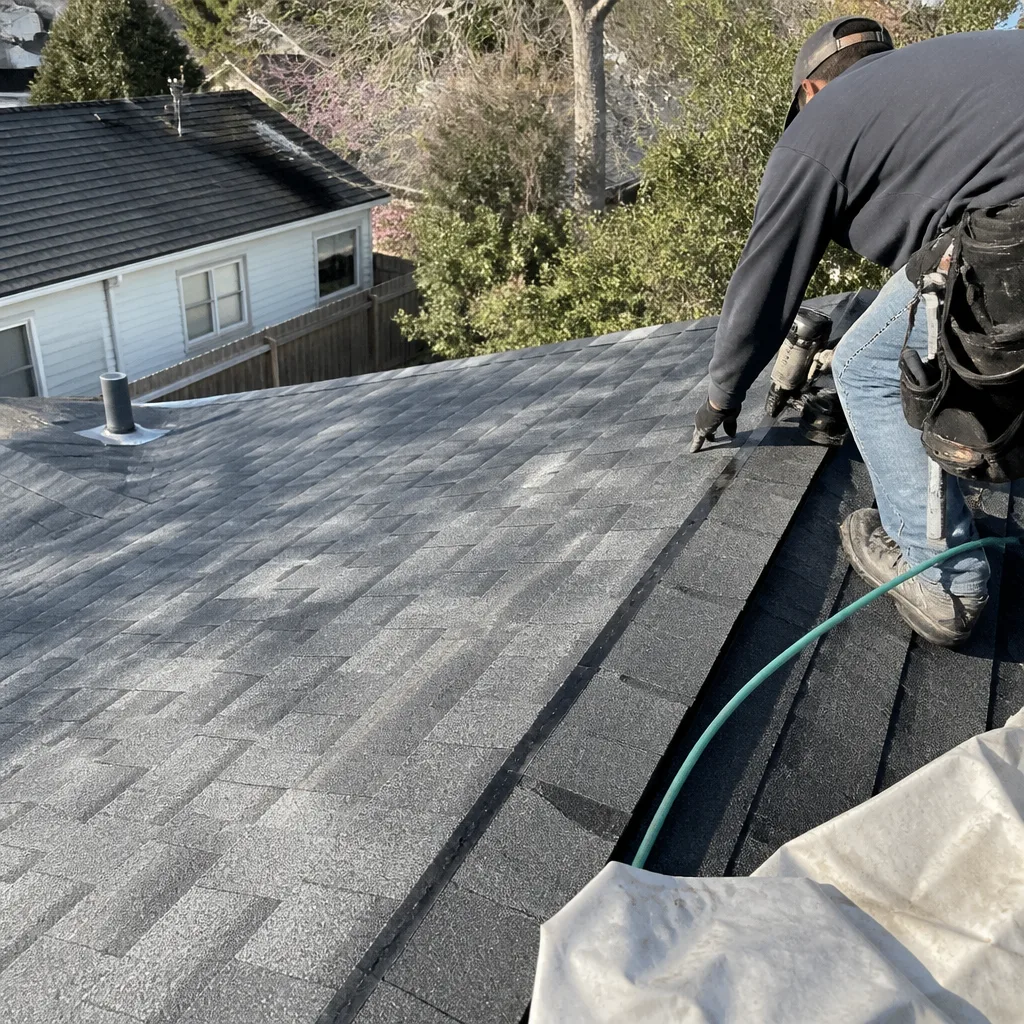 After
After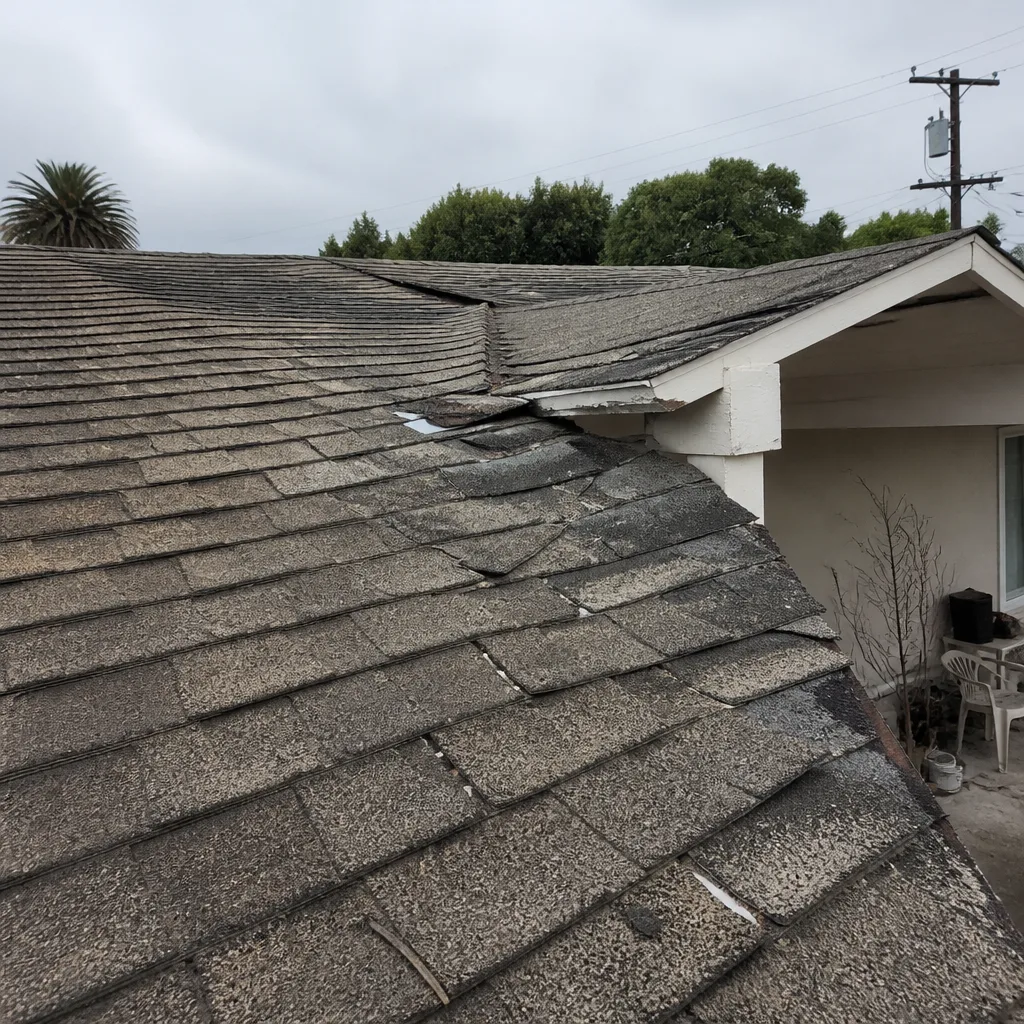 Before
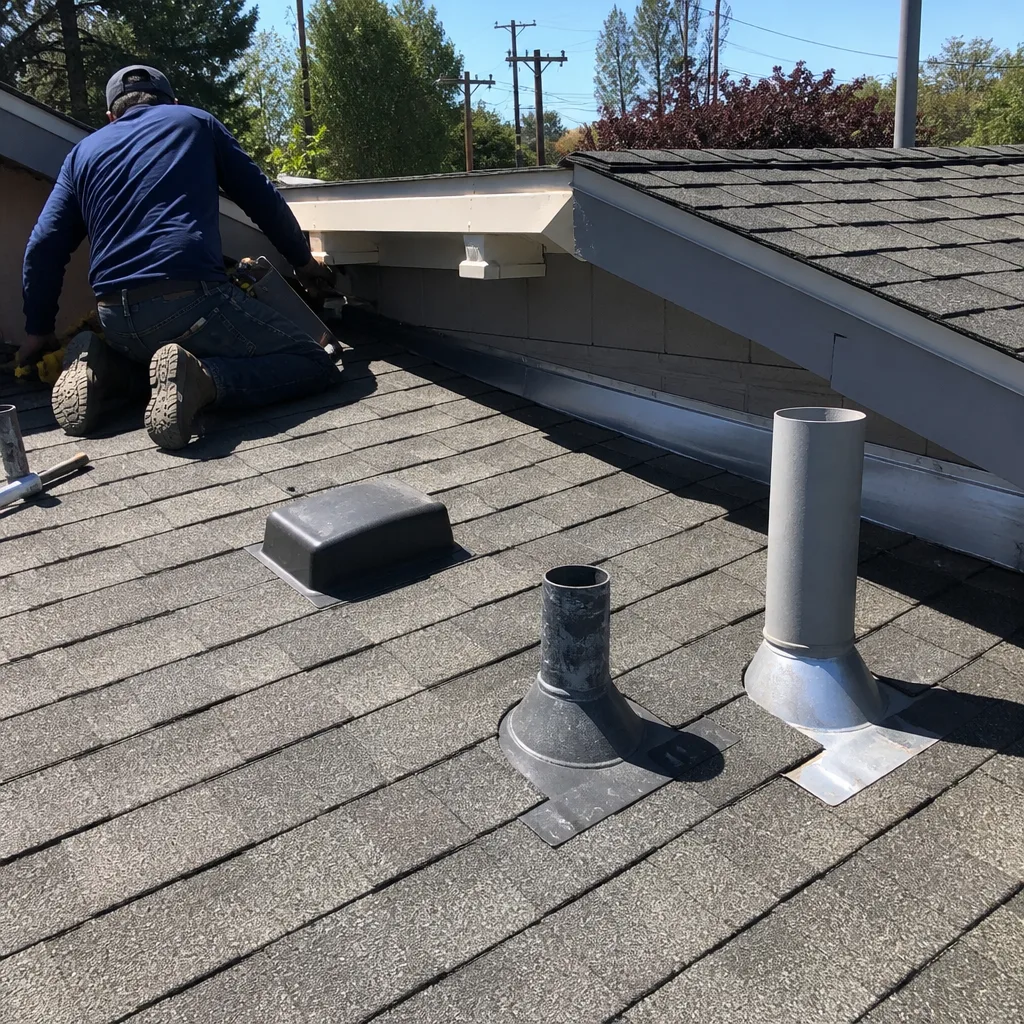 After
After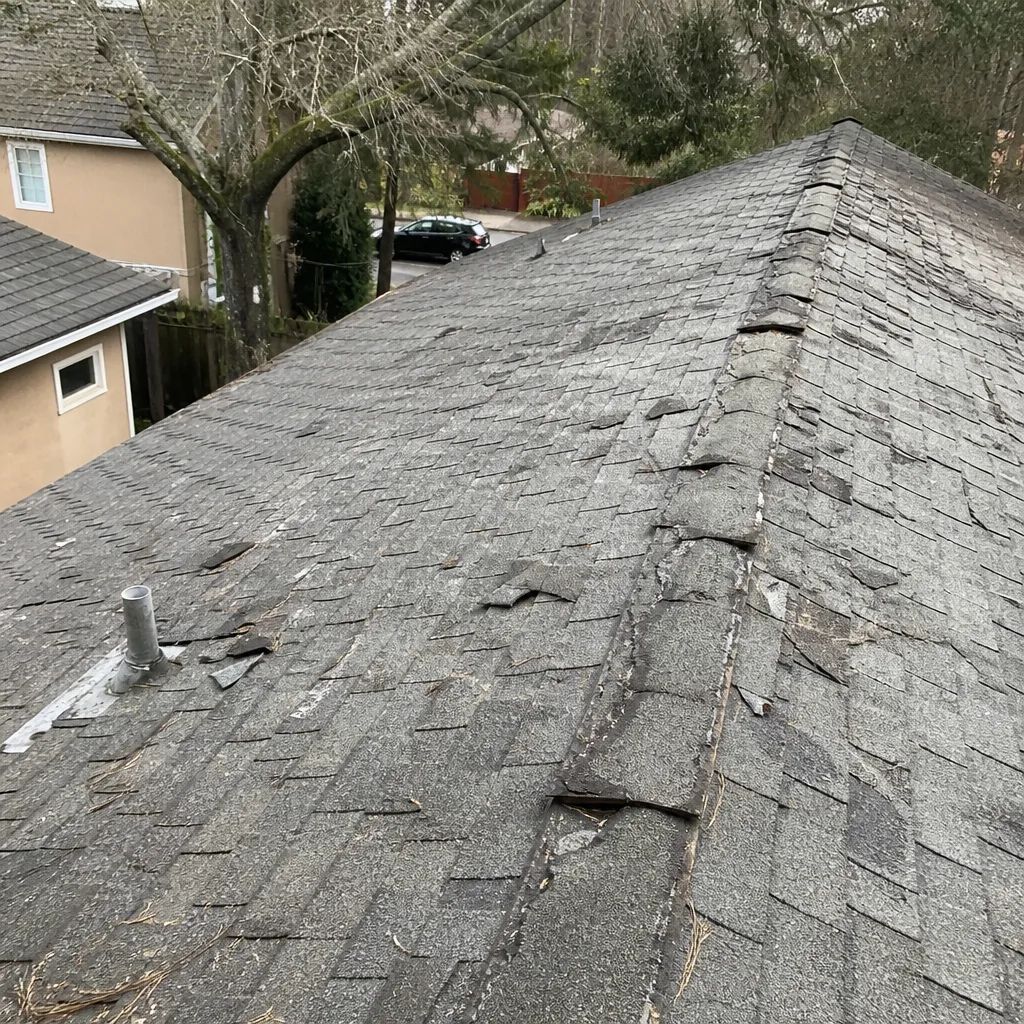 Before
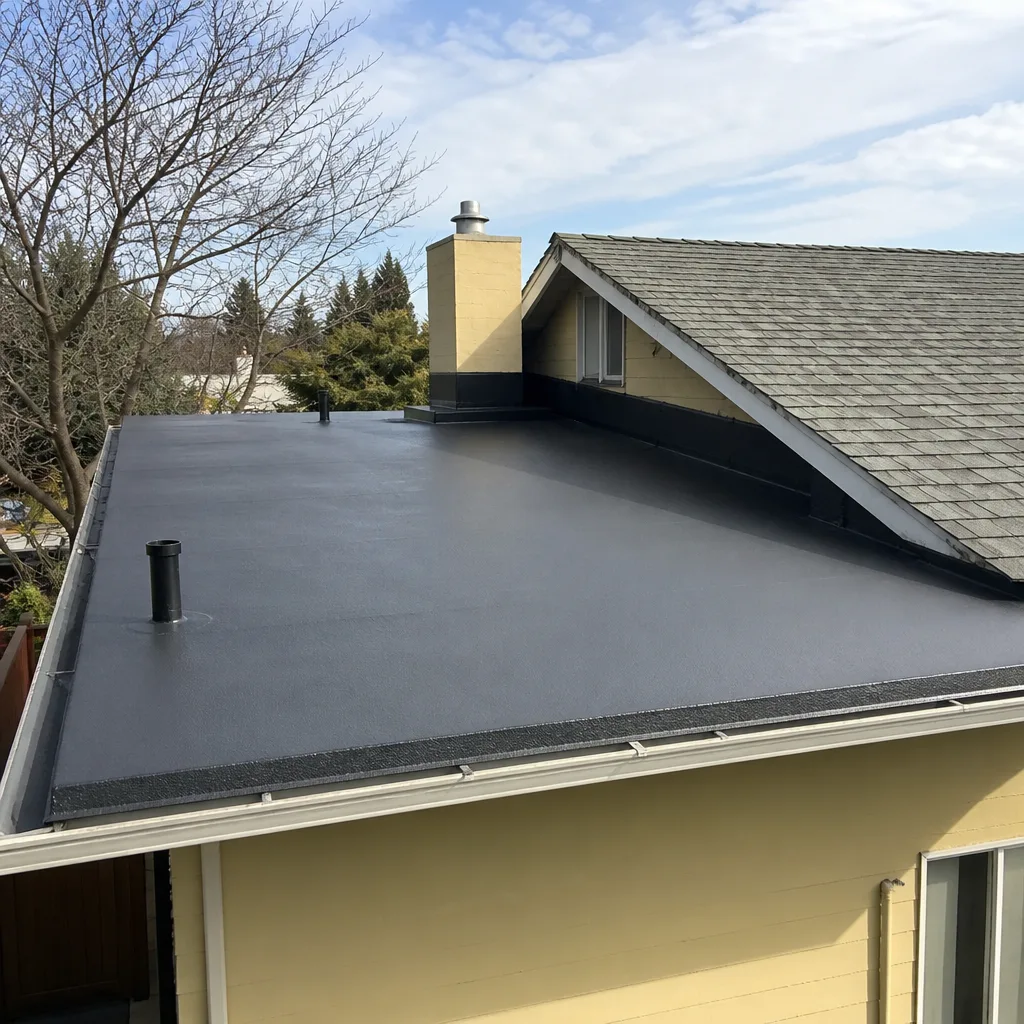 After
AfterReplacement Cost & What’s Included
For San Jose homeowners, here’s the honest price picture. Step flashing replacement along a standard wall run runs $400 to $700 installed, including removing the old metal, inspecting and replacing any compromised underlayment, and installing new flashing woven into the shingle courses. Valley flashing replacement typically runs $500 to $900 per valley, depending on length and whether we need to lift shingles or open the valley entirely. Pipe boot replacement is the most common single item, and it’s the least expensive: $350 to $500, done in under an hour in most cases.
What drives the range is primarily access and what we find once the old flashing is off. A first-floor eave with a walkable slope is at the low end. A steep second-story chase on a two-story home in the San Jose foothills adds time and staging, and that shows up in the price. If the decking beneath the flashing has begun to rot, we tell you before we proceed, with a written line-item price for the additional work. You make the call, not us.
Every flashing replacement we do in San Jose carries the written guarantee before the crew leaves your property. If the repair fails inside the guarantee period, we return at no charge under the 365-Day Done Right Promise. That’s the Kingswell Way: say the price before the work, show up in the window we gave, put the guarantee in writing, and come back if it fails.
DIY or Call Us?
Here’s the honest split. There are things a capable San Jose homeowner can check on their own, and there are things you should not be doing on a ladder at the edge of a roof. You can absolutely inspect exposed flashing from the ground with binoculars, run a hose test on a dry day to try to localize a leak, and check your attic for water stains after the next rain. Those are safe, useful diagnostics that help you make a smart decision.
Where DIY goes wrong on flashing is not the diagnosis. It’s the install. Flashing works because it’s layered correctly: each piece of step flashing must lap under the shingle above it and over the shingle below it. Get one piece wrong, or reuse an old corroded nail hole, and you’ve created a leak where you had a working system. Add in working on a sloped surface, on a ladder, with tools in hand, and the risk is not worth the savings on a job that costs less than a set of new tires. If you’ve found the problem and want it done right, call us at (669) 274-0078. We’ll send a background-checked technician with the right materials on the truck, and you’ll have a written price before any work starts.
FAQs
Galvanized flashing in San Jose typically lasts 15 to 25 years depending on exposure, pitch, and whether it was correctly installed the first time. Aluminum and prefinished steel can reach 30 years or more. The biggest local factors are UV exposure on the roof face and the seasonal expansion and contraction cycles between our hot, dry summers and wet winters, which slowly work nails loose and stretch seams open. If your flashing has visible rust or the rubber boot on a pipe collar has hardened and cracked, it’s time.
Sometimes yes, and we’ll tell you if that’s the case. A single lifted step flashing tab can often be reseated and re-nailed with a compatible sealant as a stopgap. A split pipe boot with an entirely intact flashing base can sometimes be addressed with a fitted rubber replacement collar. But if the metal itself is corroded, cracked, or torn, patching is false economy. It will leak again. We’d rather do the honest repair than sell you a temporary fix and wait for your next call. Reach us at (669) 274-0078 and we’ll give you a straight answer.
Most single-location flashing replacements, a pipe boot, a chimney base, one wall run, take two to four hours on site. A full valley replacement or multiple flashing locations might take a full day, especially if we need to open the valley and replace underlayment. We give you a clear time window when we schedule, and the price you’re quoted is the price you pay unless we uncover hidden damage and you approve the additional work in writing first.
We stock the common CertainTeed flashing profiles and standard sizes on our San Jose trucks, including step flashing, valley flashing in 14- and 20-inch widths, drip edge, and rubber pipe boots in the sizes that cover almost every residential vent stack. If your home requires a custom profile, a specific prefinished color, or a specialty piece like a raised chimney cricket, we source it from our suppliers before the crew rolls out. We also carry parts and materials for GAF and Owens Corning systems, so if you have a mixed-material roof, we can handle it in one visit.
Tell me what’s on your roof and I’ll tell you what it needs. Straight answer, no guesswork.
If you’ve got a flashing problem in San Jose, call (669) 274-0078 to schedule your free estimate. A live person answers 24 hours a day, seven days a week, and your written price is in your hands before a single piece of metal comes off the roof.
Written by Greg Holloway, Owner, Tilehurst Roofing San Jose at Tilehurst Roofing San Jose, serving San Jose and nearby areas.