
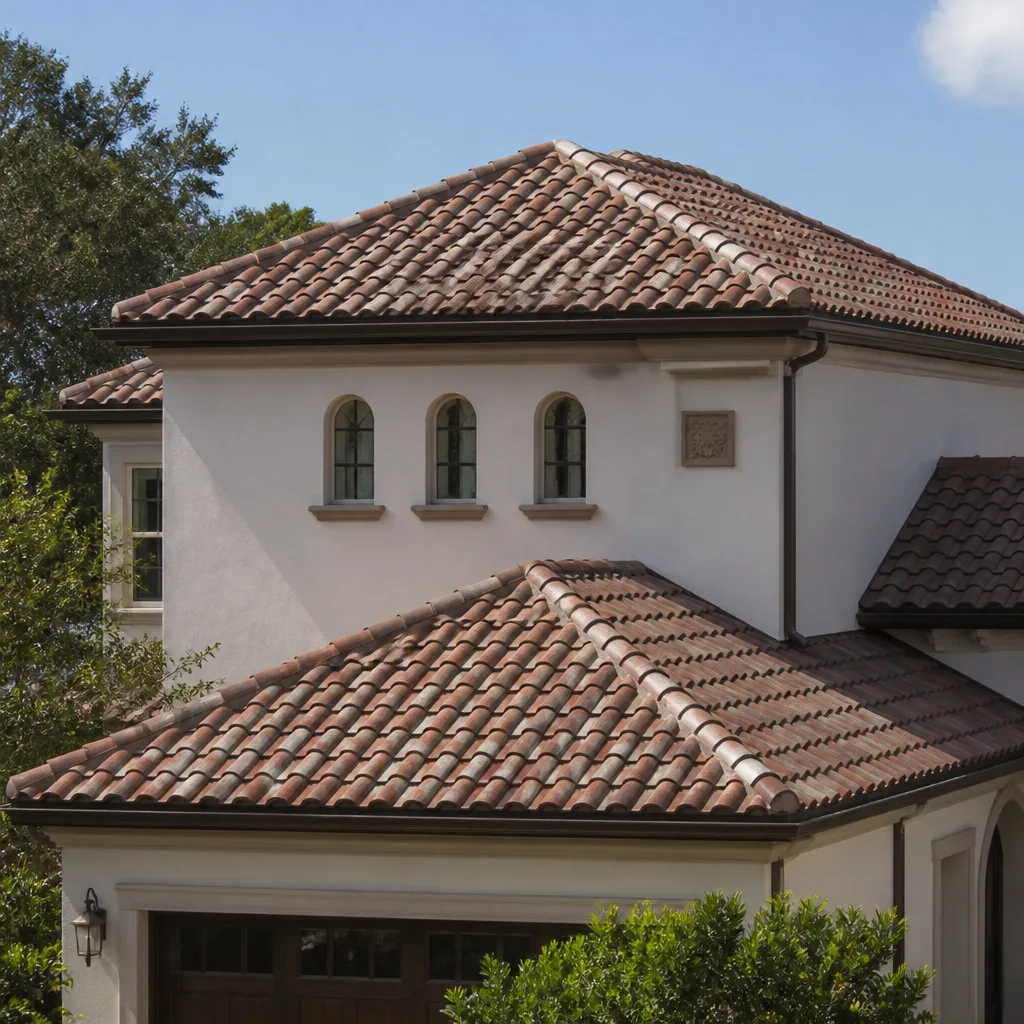
 Tile roofing
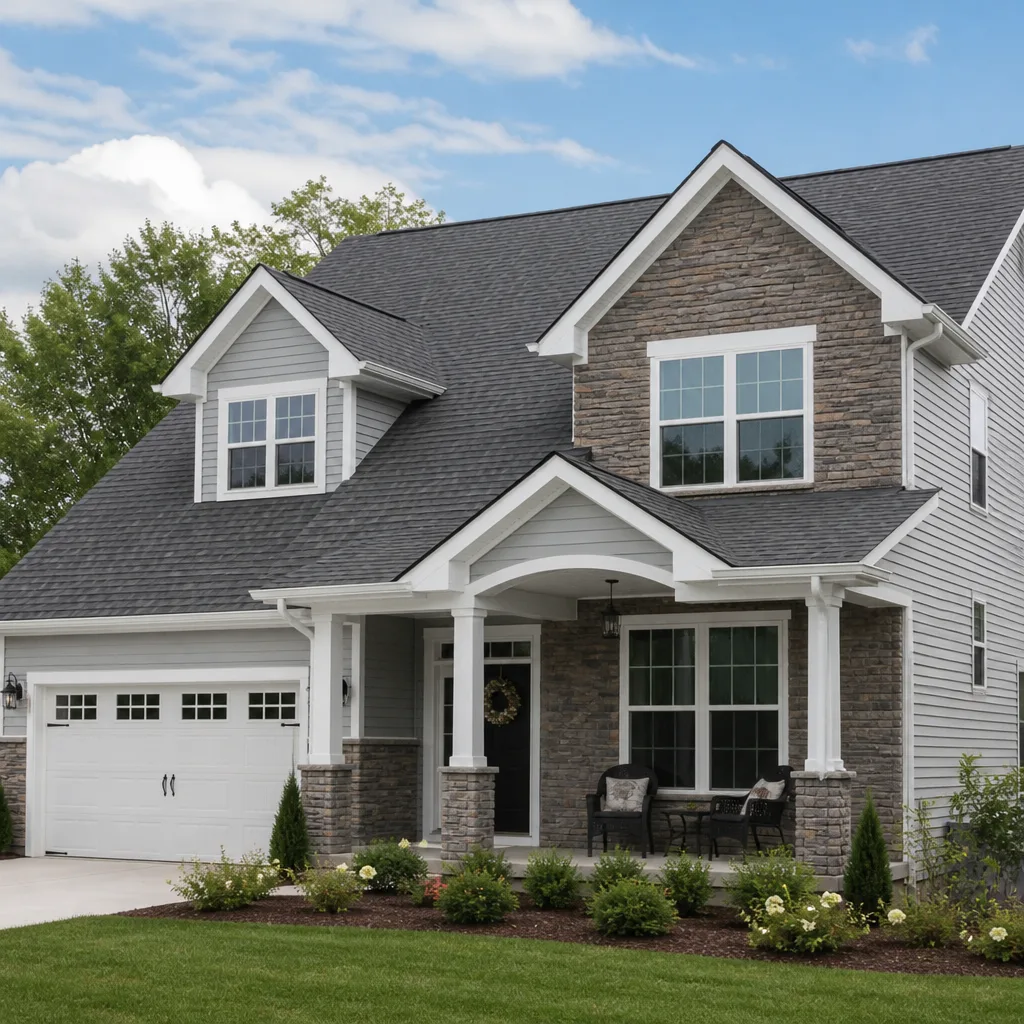
 Architectural shingles
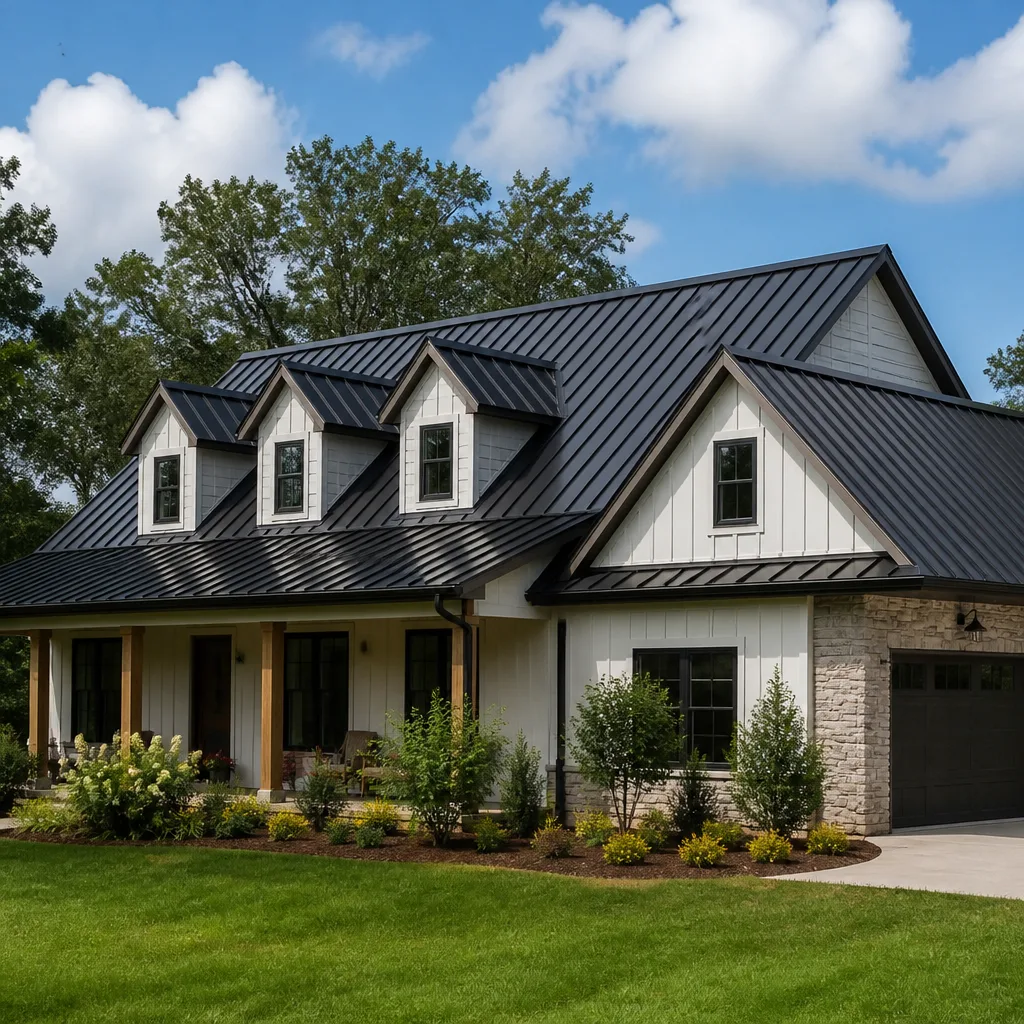 Metal roofing
 GAF
GAF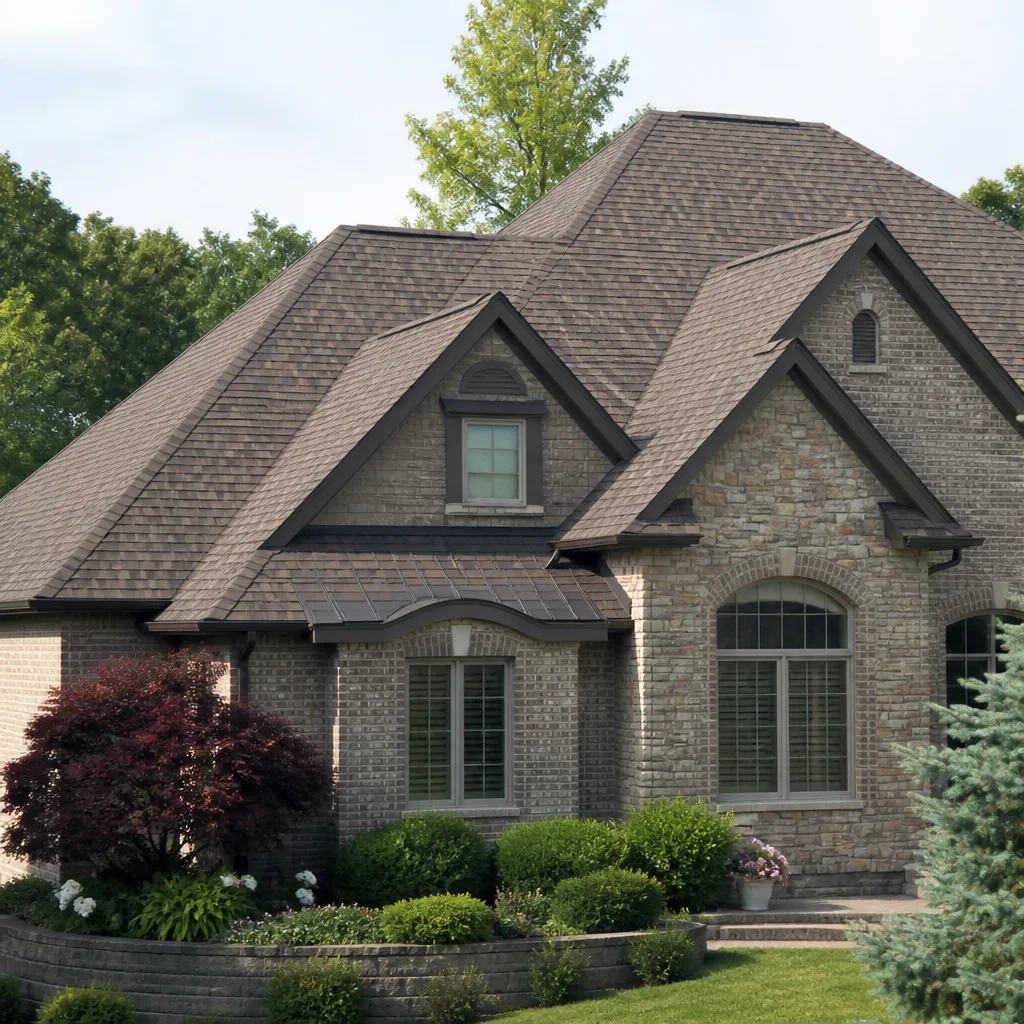 Owens Corning
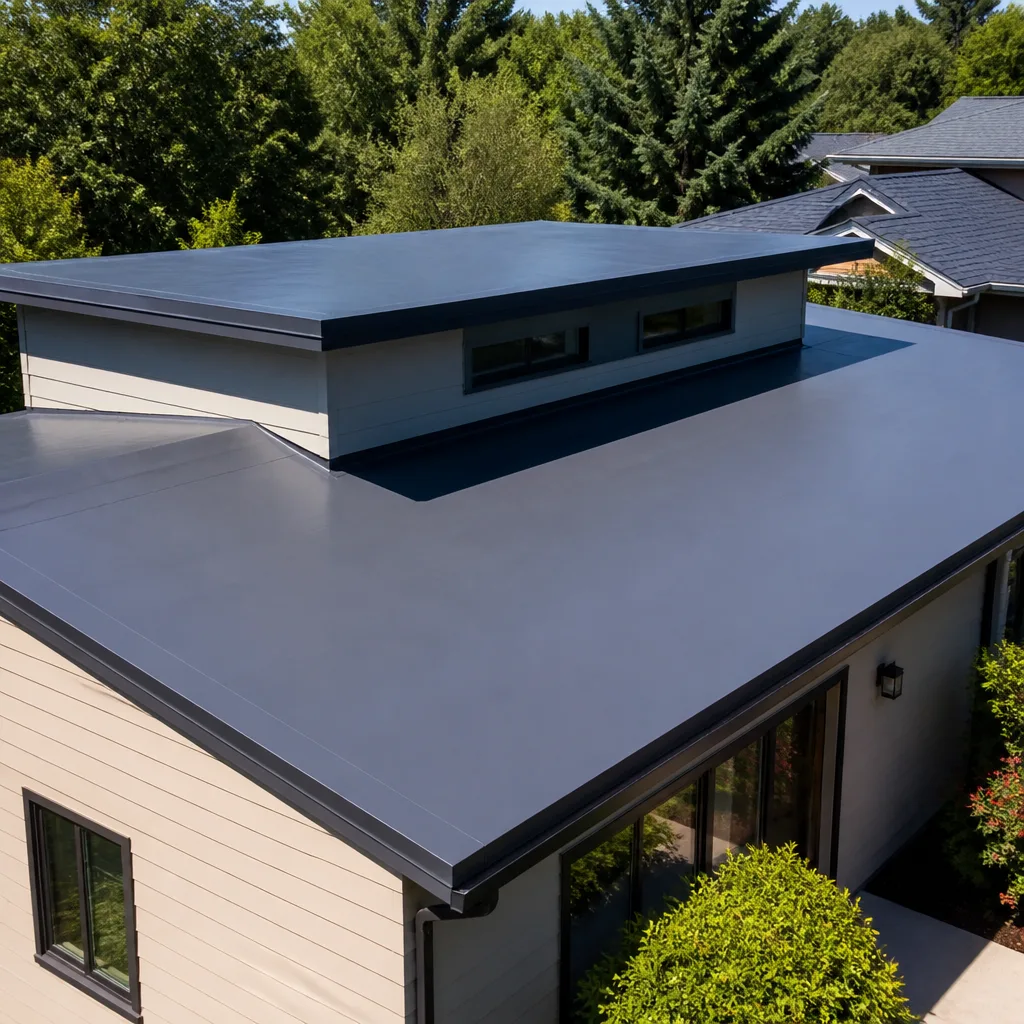 Flat & low-slope
Free roof inspection with deck photos before we talk money - GAF and Owens Corning certified installation
IKO Ridge Vent Installation: The San Jose Owner’s Guide
If you’re searching for IKO ridge vent installation in San Jose, here’s the straight answer: we stock IKO-compatible ridge vents on our trucks, and a typical replacement or new installation runs $450 to $850 depending on the linear footage of ridge and accessibility. Most jobs are completed in a single visit. You’ll usually know the vent has failed when you feel heat building up in the attic on a warm day, or when you spot shingle granules collecting in the gutters near the peak.
Ridge vents are the long, low-profile vents that run along the very top of your roof, where the two slopes meet. They’re the exhaust half of your attic ventilation system. When they fail, your attic stops breathing properly, and heat and moisture start doing quiet damage to your decking, your insulation, and your shingles. Greg Holloway spent years running crews across San Jose before building Tilehurst, and he’s seen what a failed ridge vent does to a South Bay attic after one summer. None of it is pretty.
Key takeaways:
- Installed price range in San Jose: $450 to $850 for most homes
- We stock IKO-compatible ridge vent material on the truck, so most jobs are one visit
- Written price before any work starts, every time
- Your replacement is covered by our written guarantee
Which IKO Models This Applies To
IKO manufactures ridge vent products under a few different names, and the compatibility picture matters more than most homeowners expect. The two you’re most likely to encounter in San Jose are the IKO Armourvent line, which is a rigid-style ridge vent that comes in 4-foot sections, and the older IKO Marathon vent profile, which some crews installed on multistory homes here throughout the 1990s and early 2000s.
Here’s the compatibility gotcha: the Armourvent profile doesn’t always seat cleanly against the older Marathon cut slot, because the slot width was cut to different specs depending on when the original roof went in. The fix is usually a quick field adjustment, but it’s exactly the kind of thing a homeowner discovers after buying parts online that don’t fit. This is one place where shopping purely by “ridge vent” without checking the actual slot measurement goes sideways.
If you’re replacing an IKO ridge vent, you don’t have to buy IKO-branded plastic. Quality aftermarket ridge vents from GAF, Owens Corning, and CertainTeed are generally compatible with the cut slot as long as the profile width matches, which means you have genuine choice. We work with all seven manufacturers because the right part matters, not just the right brand name.
Styles & brands we work with
Signs Your IKO Ridge Vent Installation Is Failing
Most homeowners discover a ridge vent problem by noticing one of these five things. Each one points to a specific failure mode:
- Attic heat you can feel through the ceiling. The number one sign in San Jose, where summer attic temperatures routinely hit 140°F. When the ridge vent stops exhausting, that heat has nowhere to go. The cause is usually clogged vent media, crushed vent sections, or a vent that was undersized from the start.
- Granules from the shingles collecting in the gutter near the roof peak. Shingle wear near the ridge is often accelerated because heat is pooling at the highest point of the attic. The ridge vent isn’t moving the hot air out, so the shingles above it cook from underneath.
- Visible cracking or warping along the ridge vent plastic. The IKO Armourvent is a rigid plastic profile, and after a decade of direct UV exposure in the South Bay’s dry heat, the plastic gets brittle. Once it cracks, it stops channeling air effectively and becomes an entry point for embers and pests.
- Musty smell or condensation up in the attic, especially after rain. A blocked or collapsed ridge vent turns the attic into a moisture trap. In San Jose’s wet winters, that stagnant moisture condenses on the decking and insulation, which is how you get mold and soft wood.
- Nails backing out along the ridge line. Ridge vent installations use exposed fasteners, and when those nails loosen, the vent profile lifts. Lifted sections whistle in the wind and let rainwater in at exactly the worst place.
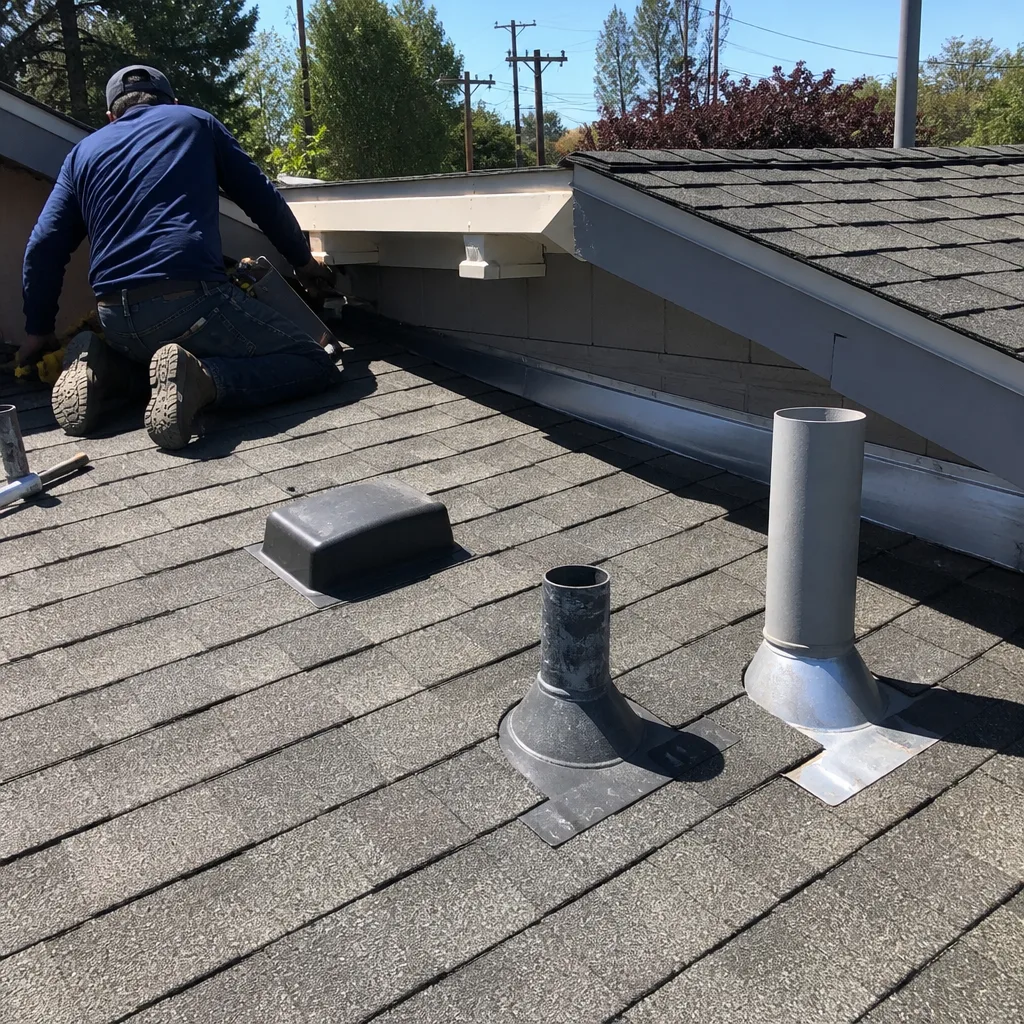
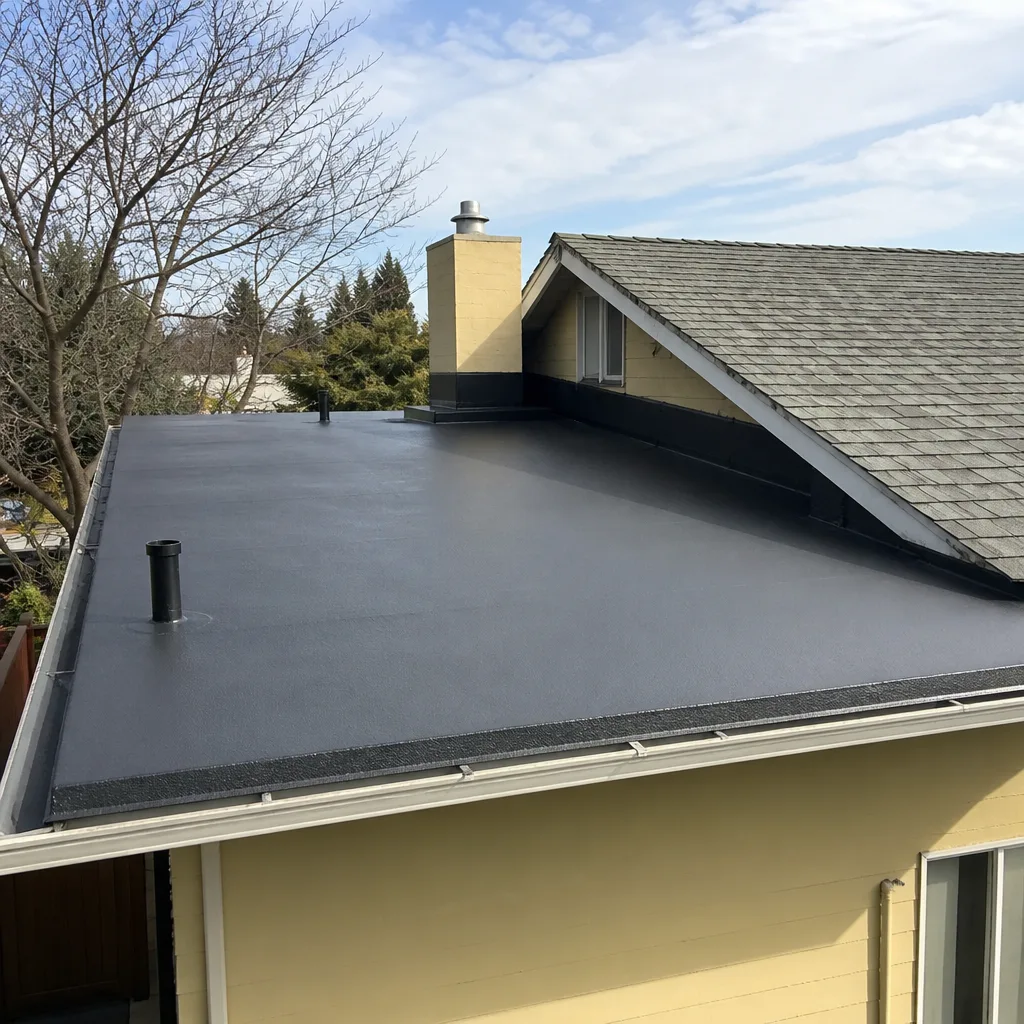
See the difference
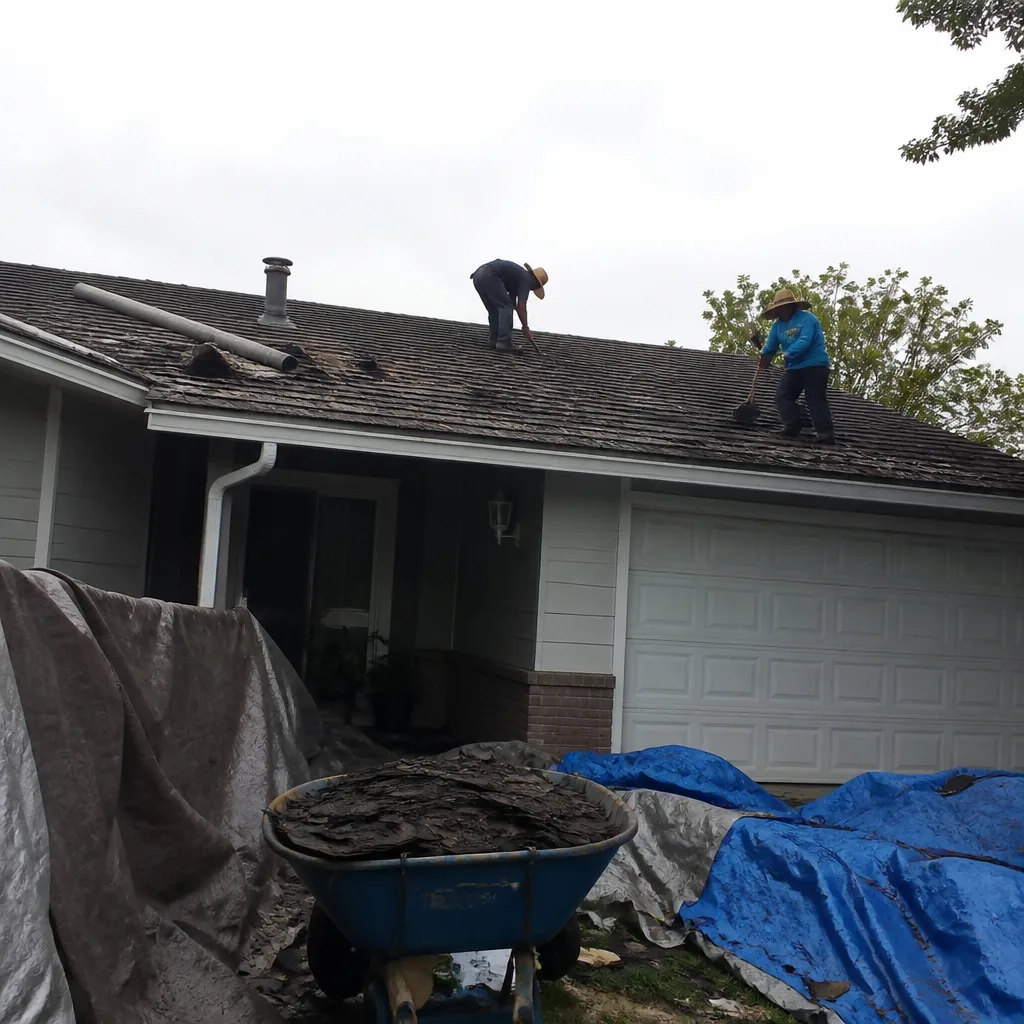 Before
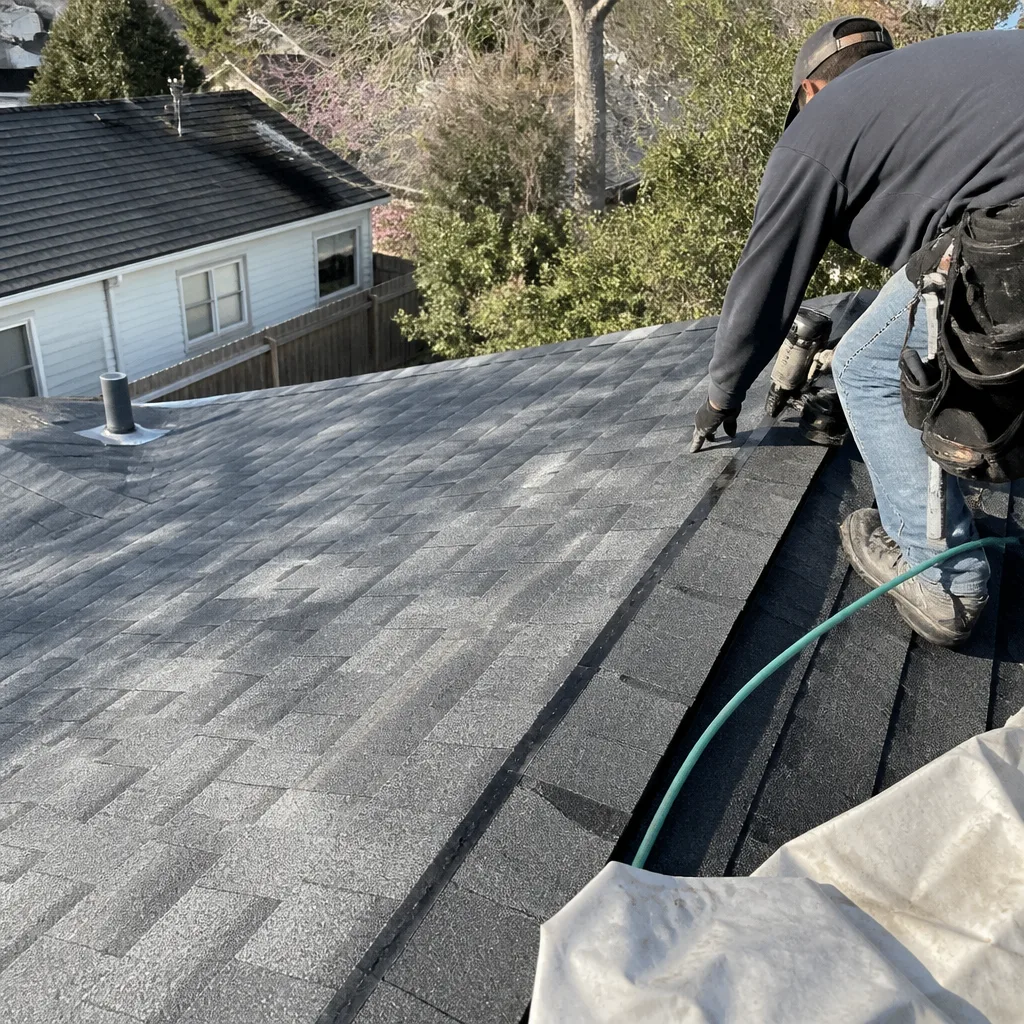 After
After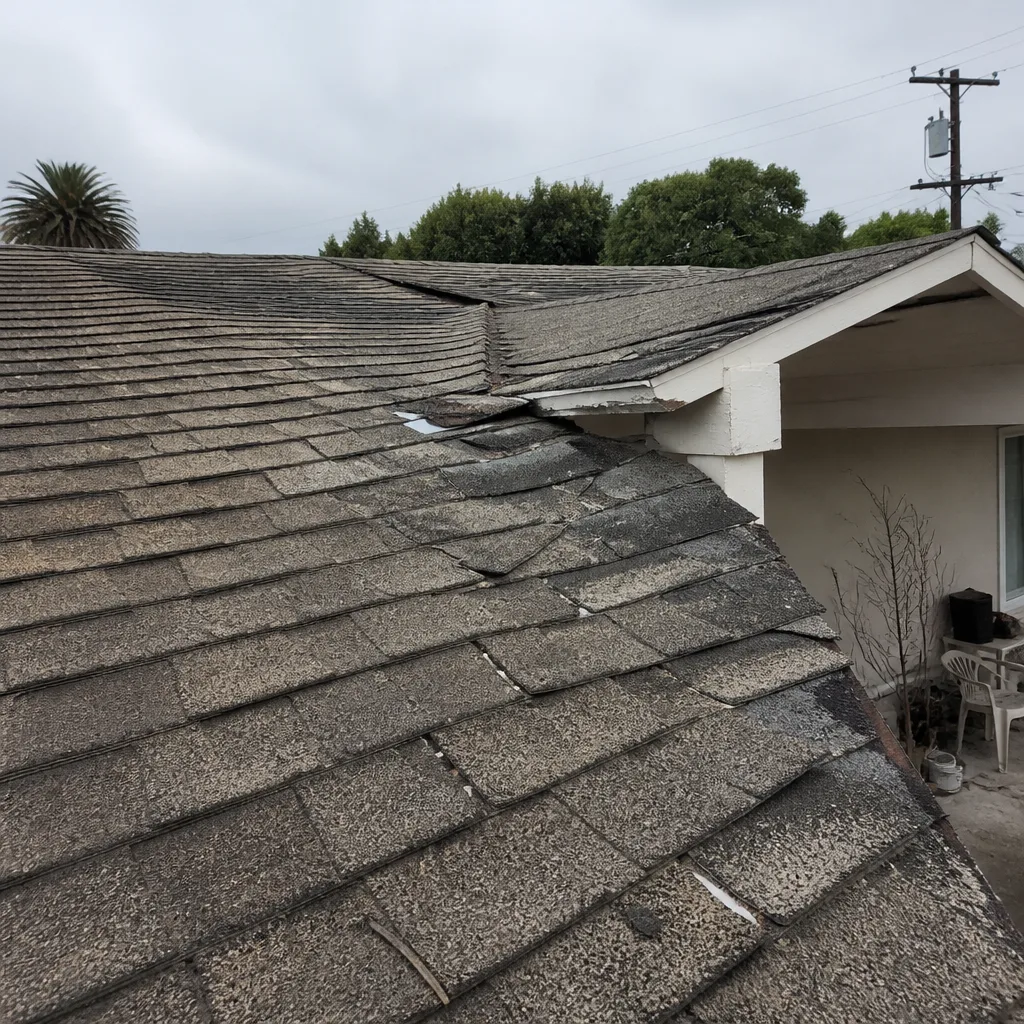 Before
 After
After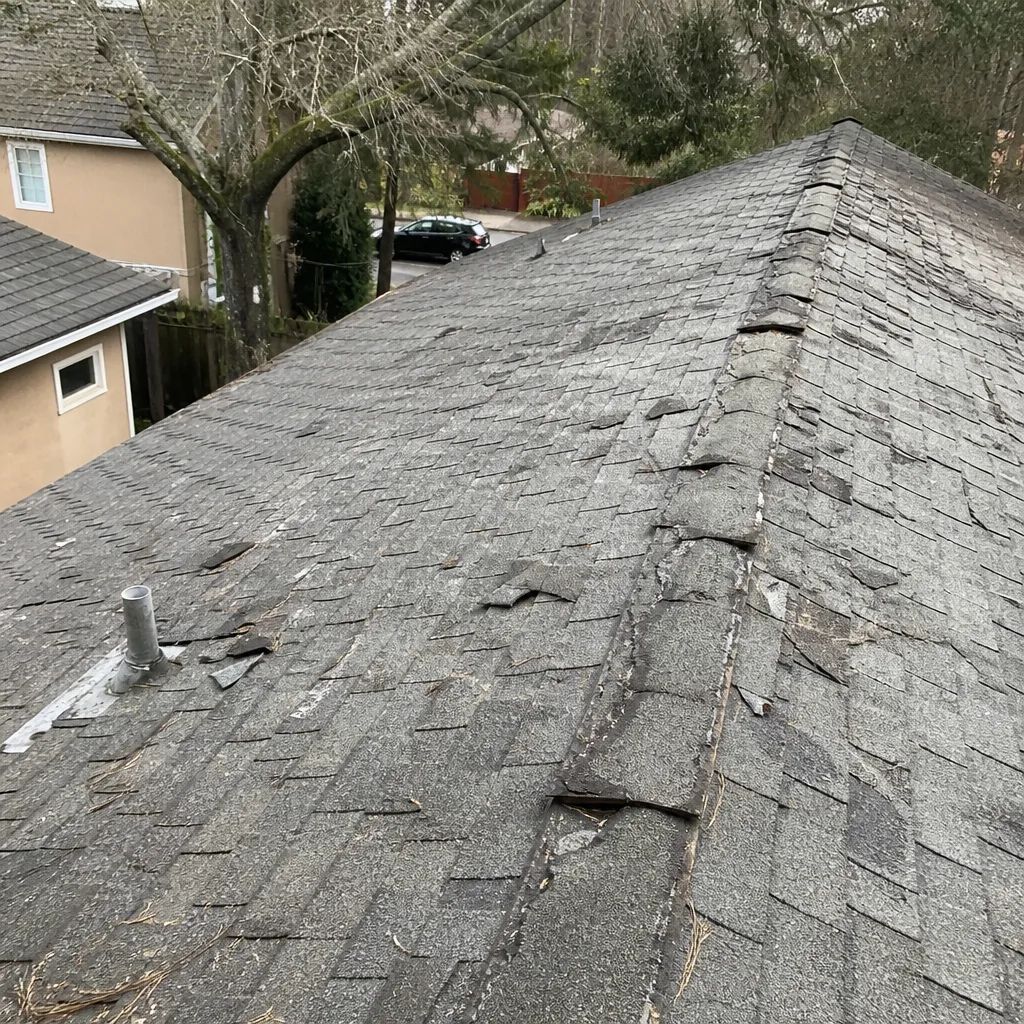 Before
 After
AfterReplacement Cost & What’s Included
IKO ridge vent installation in San Jose typically runs $450 to $850 for the vast majority of single-family homes. The price breaks down like this: the vent material itself runs $10 to $18 per linear foot for the vent and nails, and installation adds $7 to $12 per foot, depending on how steep and accessible the ridge line is.
Here’s the labor reality people don’t tell you about. The old vent has to come off, the cut slot underneath has to be inspected and sometimes recut, the vent bedding has to be checked, and then the new vent goes in with new fasteners and proper end caps. Two-story homes in areas like Almaden Valley cost more than single-story ranches in Willow Glen, because the crew is carrying everything up a taller ladder and working on a steeper pitch.
Every quote follows the Kingswell Way: you get the written price before a single nail comes out, and the price we quote is the price you pay. No change orders for material that was “unexpected.” And every replacement carries our written guarantee. If that vent fails inside the guarantee period, we come back and fix it at no charge.
DIY or Call Us?
A homeowner who’s comfortable on a ladder can absolutely do a visual check: look for cracked plastic, lifted sections, and nail heads that are backing out. That’s smart maintenance, and it’s the same inspection we do on every service call.
Where it goes wrong is the actual replacement. A ridge vent install means working at the very top of the roof, on a ladder, usually on a pitch steep enough that footing is a serious concern. You’re also cutting an open slot along the peak of a roof, which means cutting into the decking in exactly the place where rain sheds the fastest. If the cut is too wide or too narrow, the vent doesn’t seal right, and the next San Jose winter storm finds the gap. It’s the kind of job where a licensed roofer’s tool belt, training, and insurance all earn their keep. If you’d rather not spend your Saturday at the ridge line, call us at (669) 274-0078 and we’ll handle it.
FAQs
In the South Bay’s climate, an IKO ridge vent generally lasts 12 to 20 years. The dry, relentless sun is the main killer: UV exposure makes the plastic brittle, and once the vent cracks, you’re replacing it rather than repairing it. Homes closer to the bay may get a few extra years; homes in the hotter Valle ends tend to be closer to that 12-year mark.
Minor problems, like a few loose nails or a single shifted section, can usually be repaired without replacing the full run. Once the plastic itself is cracked or warped across multiple sections, repair is a band-aid and the vent should be replaced. Call us at (669) 274-0078 and we’ll tell you honestly which one you’re looking at.
Most IKO ridge vent installations are done in four to six hours. The work involves removing the old vent, inspecting and prepping the cut slot, installing the new vent with fresh fasteners, and sealing the end caps.
We stock IKO-compatible ridge vent material on our trucks, along with GAF, Owens Corning, and CertainTeed ridge vent options. On most jobs, the material is on site with the crew, not ordered in.
Written by Greg Holloway, Owner, Tilehurst Roofing San Jose at Tilehurst Roofing San Jose, serving San Jose and nearby areas.