
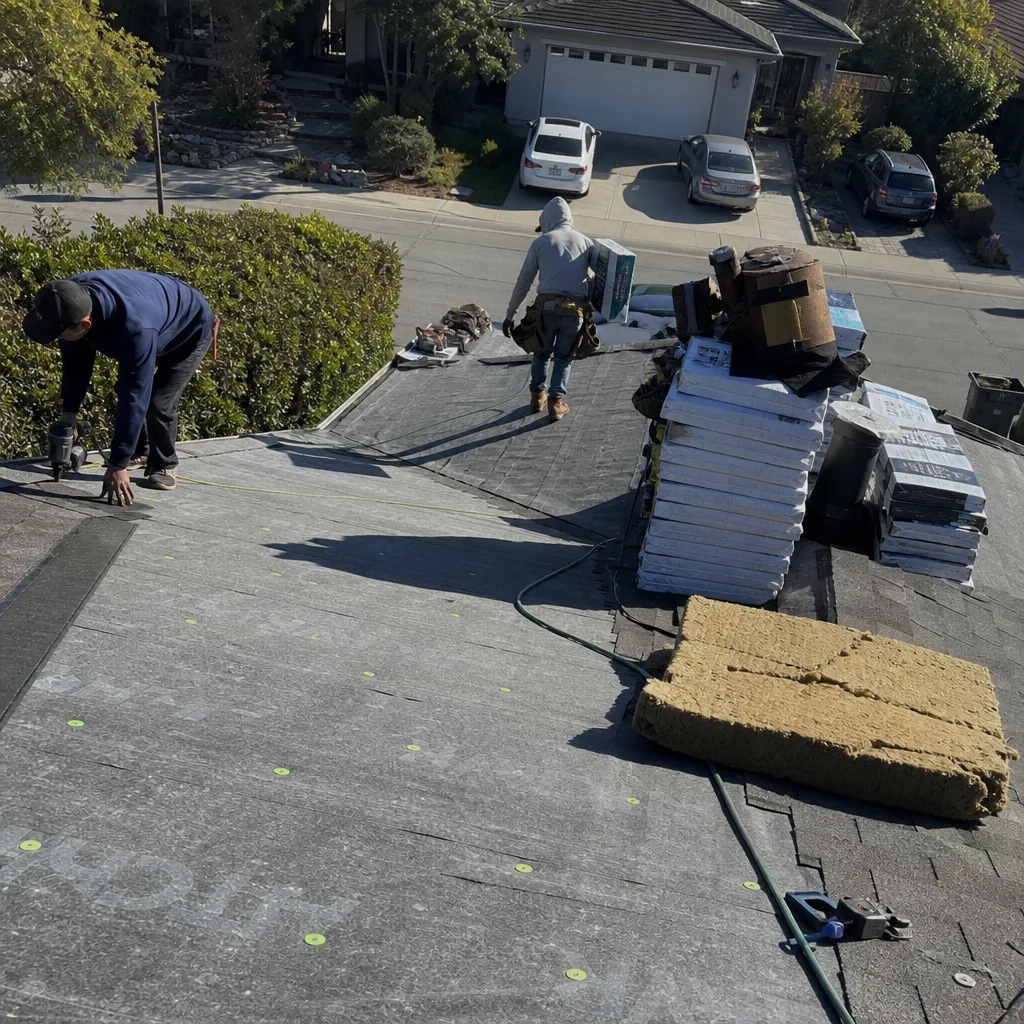
Last updated October 17, 2026
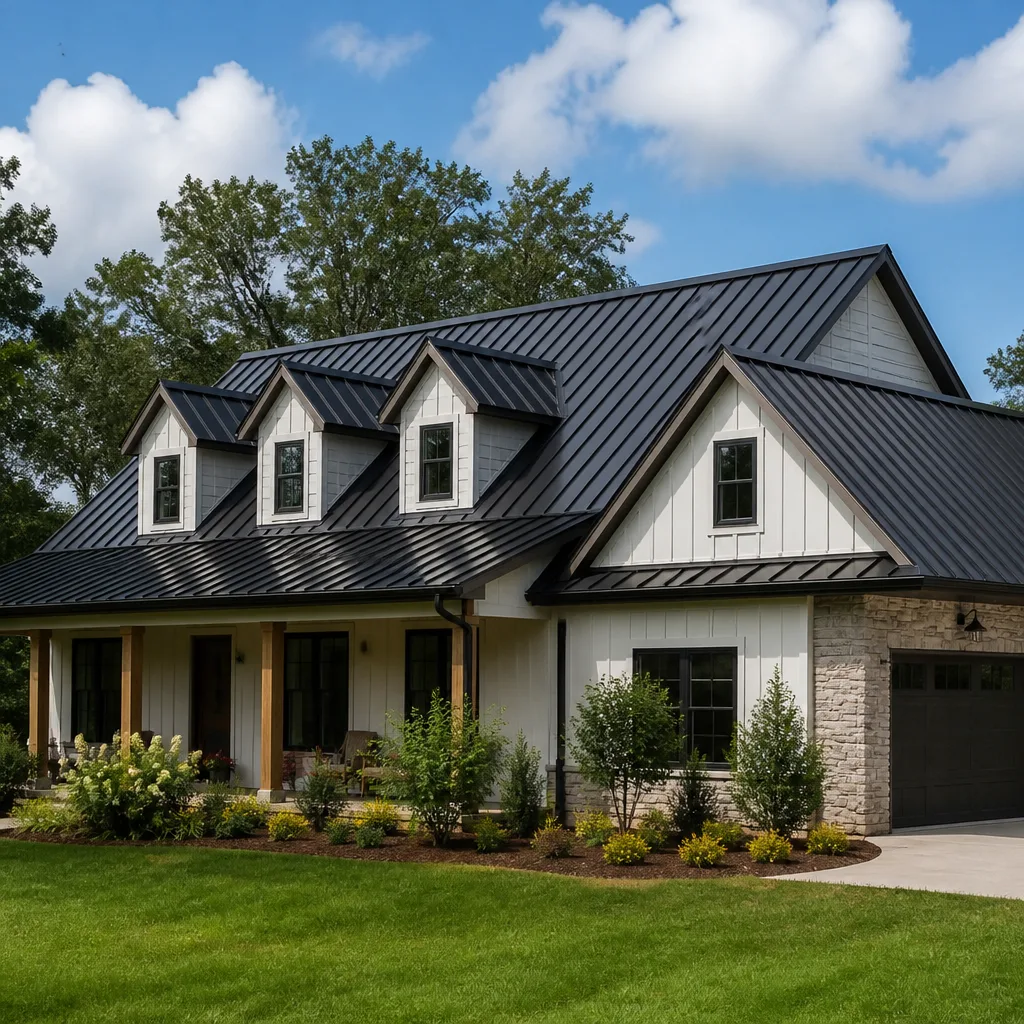 Metal roofing
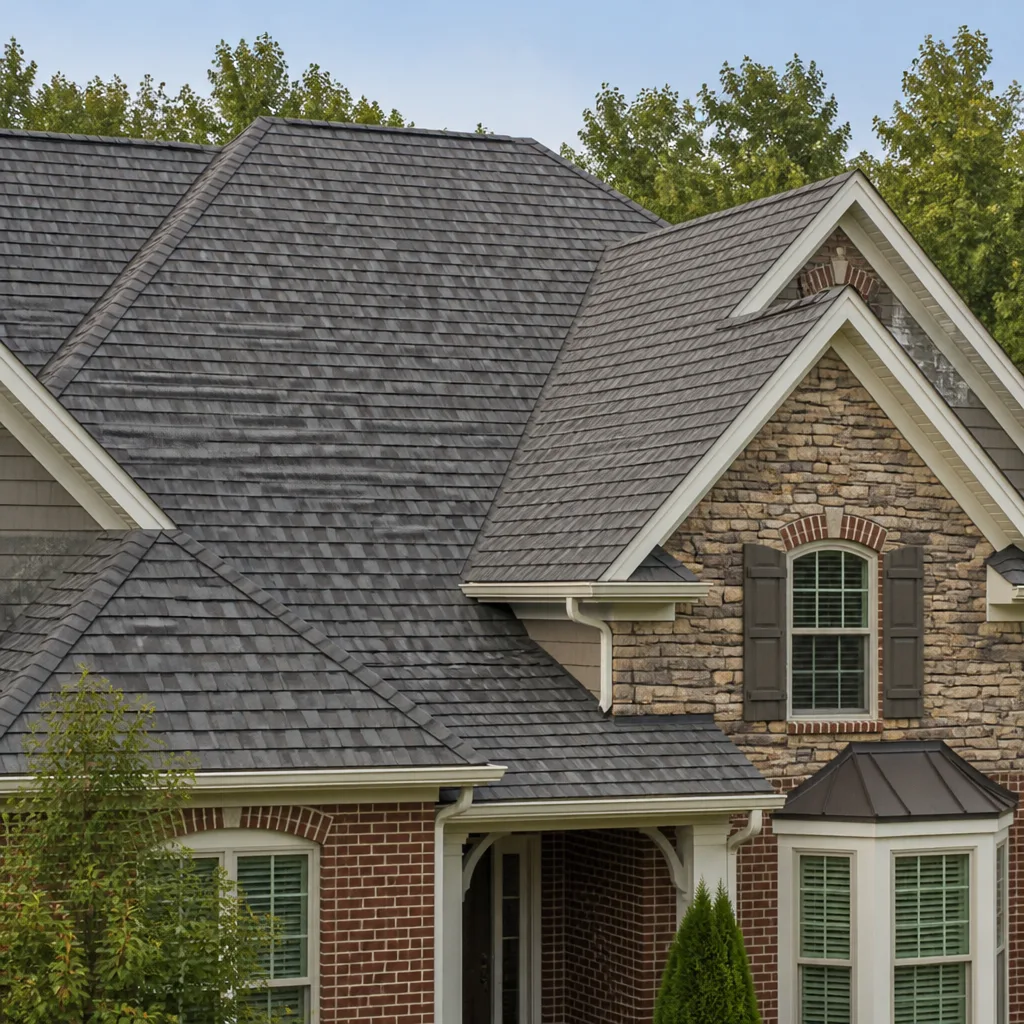 Architectural shingles
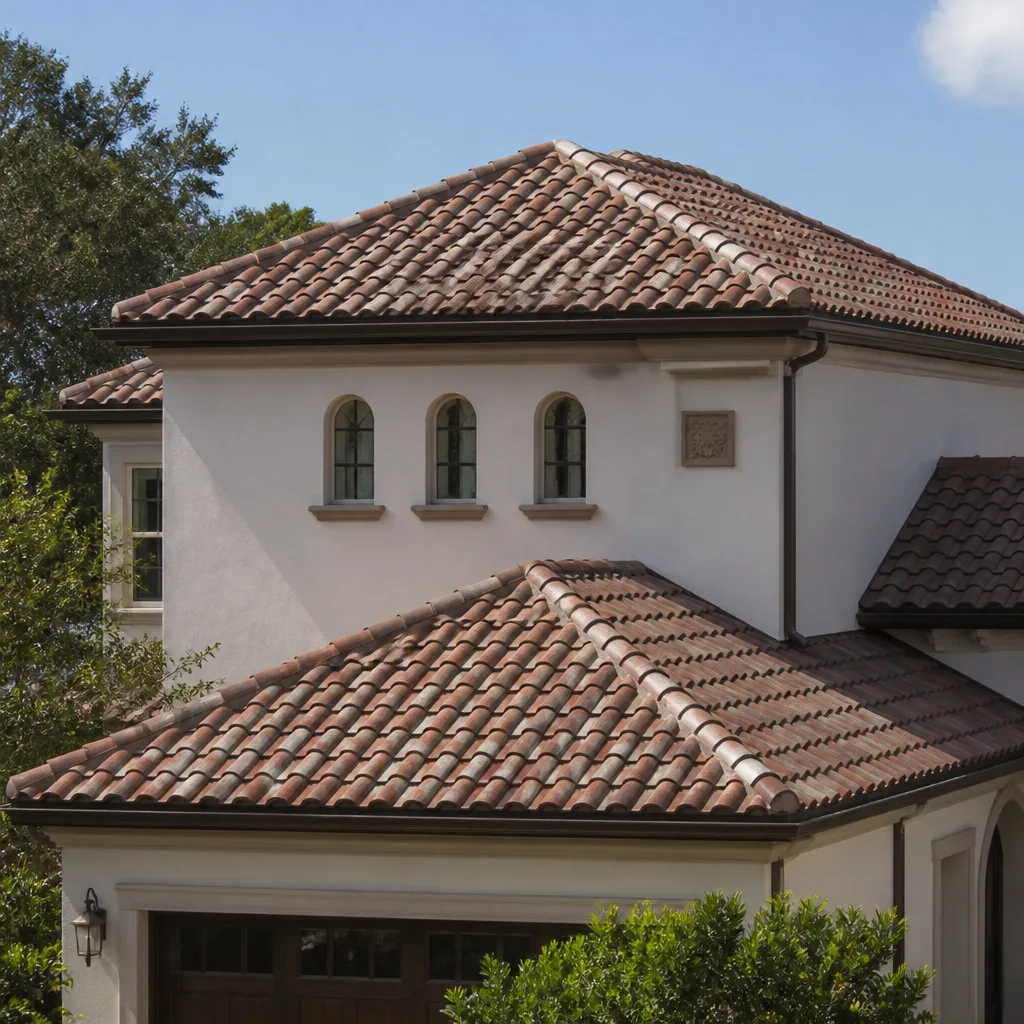 Tile roofing
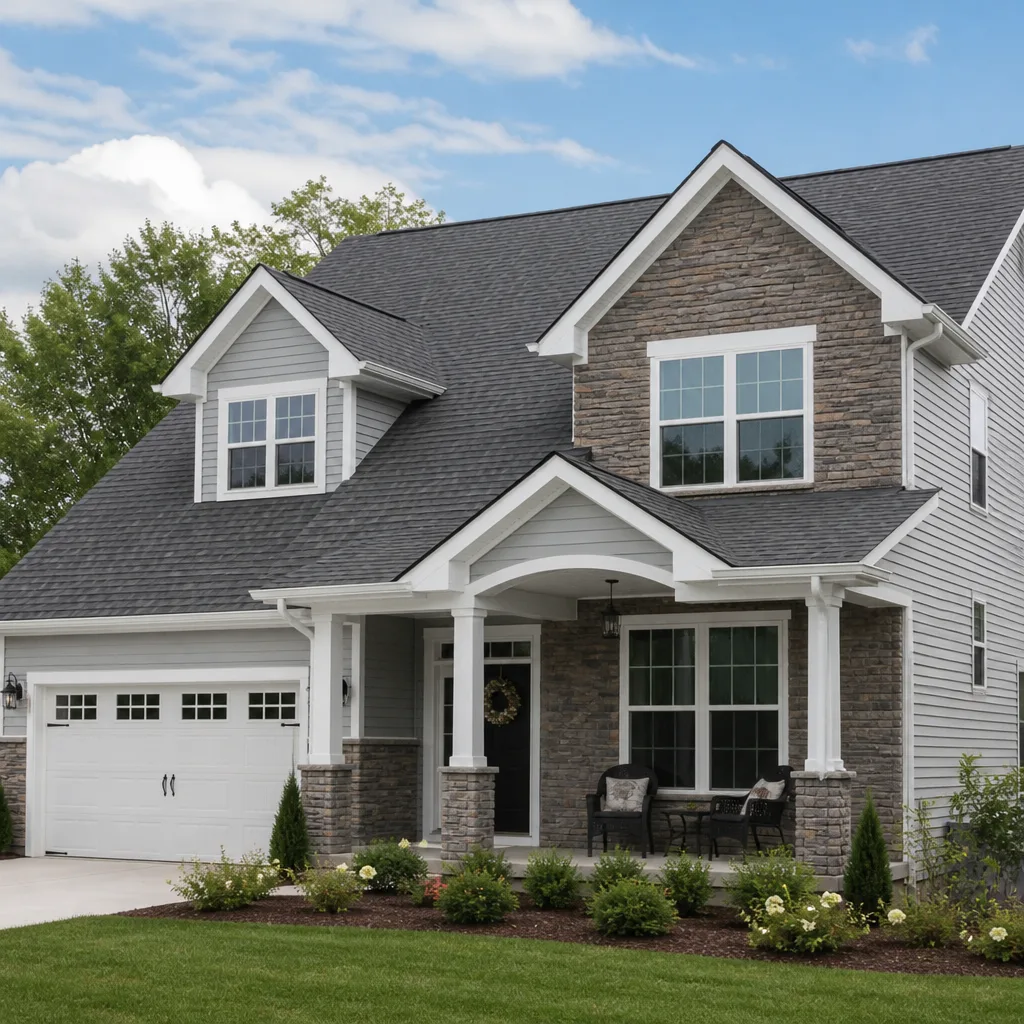 GAF
GAF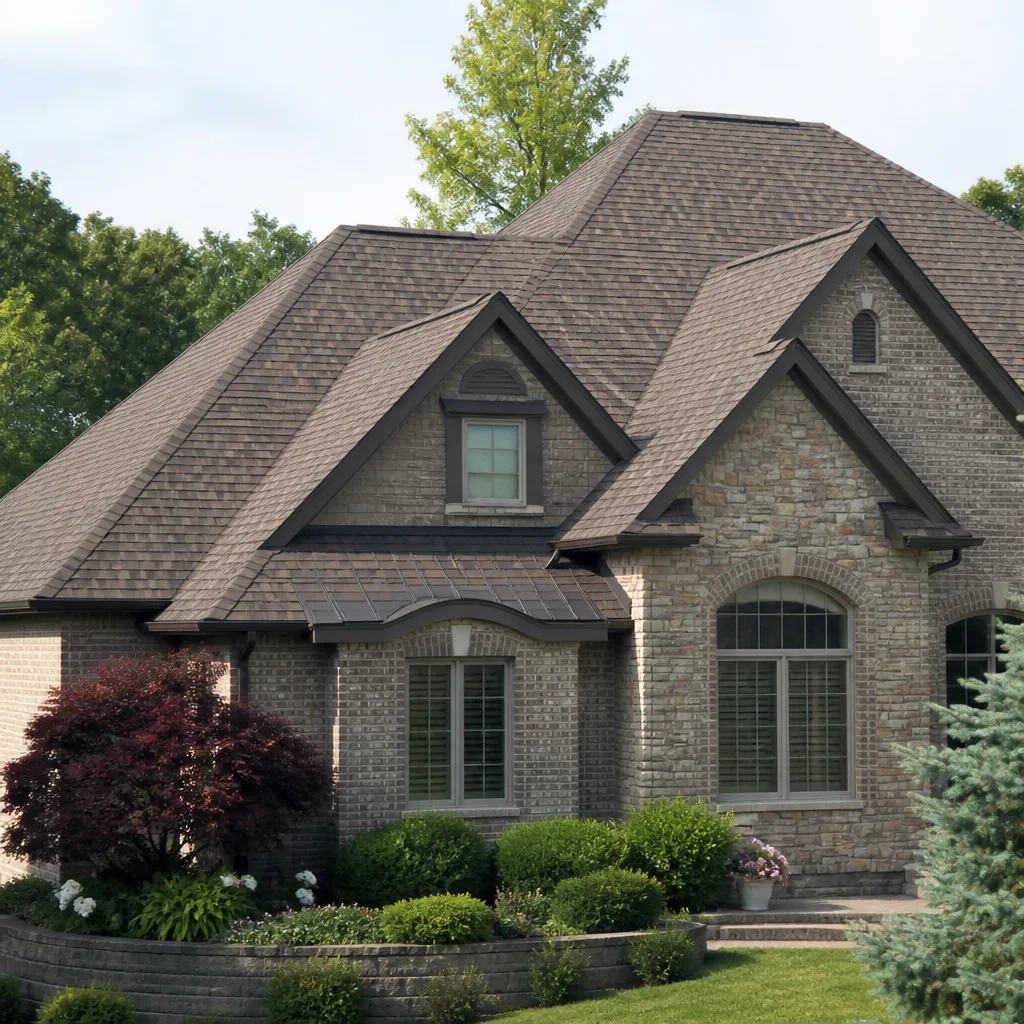 Owens Corning
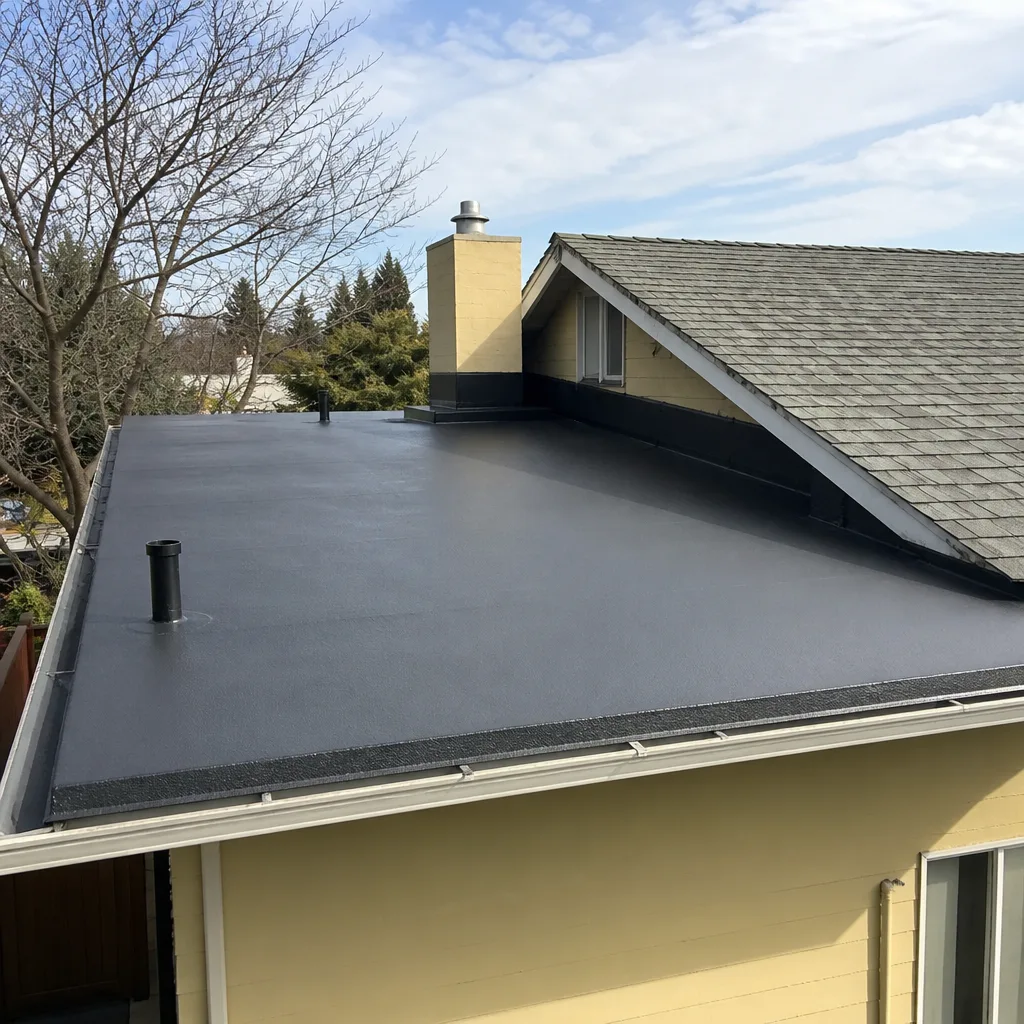
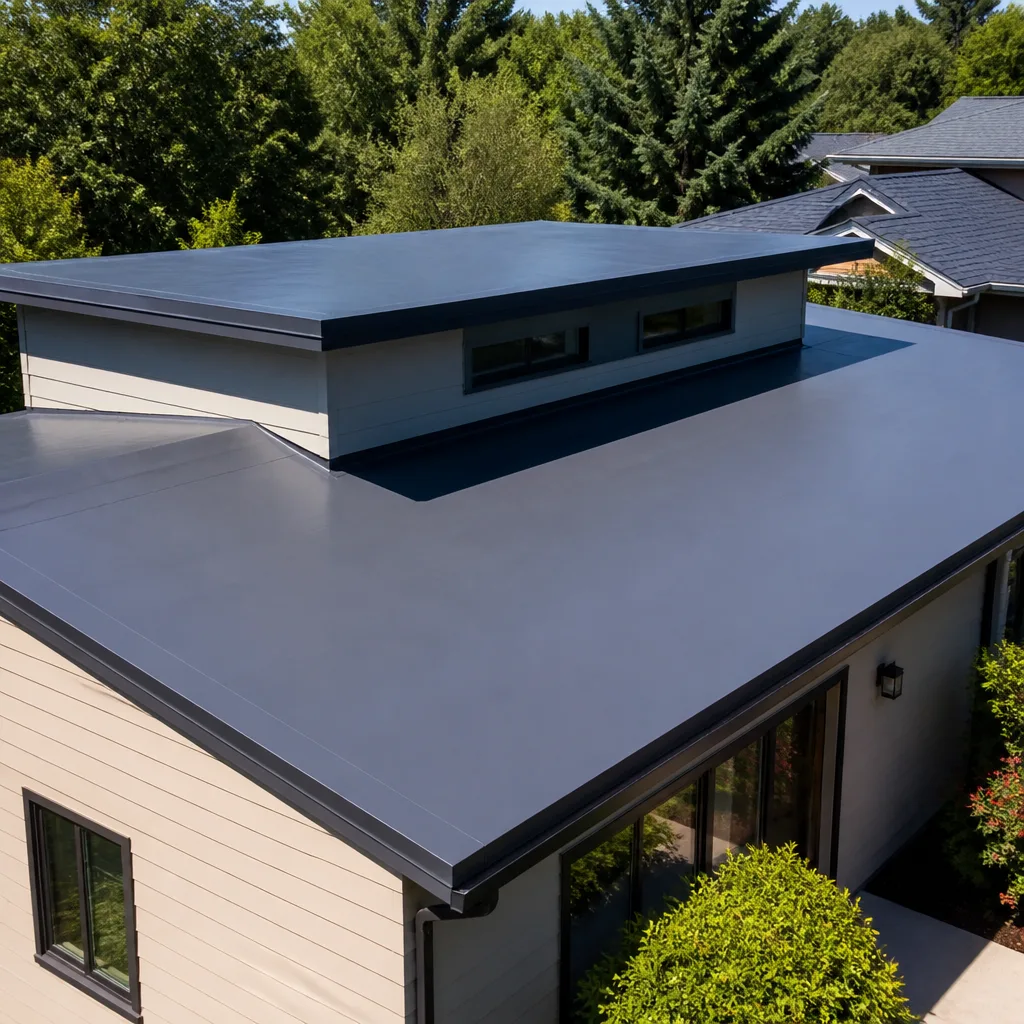 Flat & low-slope
Free roof inspection with deck photos before we talk money - GAF and Owens Corning certified installation
Roofing Permits, Codes & Inspections in CA: What You Need to Know
In San Jose, roughly one in five homes sold last year had some form of unpermitted work on record, and roofing is one of the most common offenders. Most homeowners don’t discover this until escrow stalls or an insurance adjuster denies a claim. This guide-along with our The Complete Guide to Roofing in San Jose-explains exactly when California building code requires a roofing permit, what the City of San Jose actually inspects, how Title 24 cool-roof rules affect your material choices, what unpermitted work means for your insurance and resale, and the specific language to put in writing if a contractor suggests skipping the permit. Read it before you sign anything.
Styles & brands we work with
Quick Answer
In California, a roofing permit is required for any full roof replacement and for repairs that involve structural changes, new sheathing, or altering the roof’s existing fire rating. Small repairs under 100 square feet that don’t touch structure or sheathing are often exempt, but local city rules can be stricter than state code. In San Jose, permits run through the city’s online portal, inspections are scheduled by the contractor, and Title 24 cool-roof requirements mean most replacement shingles in Santa Clara County must be rated as cool-roof compliant.
Table of Contents
- When a California Roofing Permit Is Required
- When a Roofing Repair Is Permit-Exempt
- How the City of San Jose Permit and Inspection Process Works
- Title 24 Cool-Roof Requirements in Santa Clara County
- What Unpermitted Roofing Work Means for Insurance and Resale
- How to Protect Yourself if a Contractor Suggests Skipping the Permit
- Common Mistakes to Avoid
- When to Call a Professional
- Frequently Asked Questions
- The Bottom Line
When a California Roofing Permit Is Required
California Building Code Section 105.1 states plainly: a building permit is required for any work that alters a structure’s covering, framing, or fire-resistive assembly. A roof replacement is not a repair in the eyes of the code. When you remove shingles down to the decking and install new underlayment and roofing material, you are altering the roof covering, and that triggers the permit requirement in every jurisdiction in the state, including San Jose.
The practical rule we use on every project: if the job involves more than half the roof surface, new sheathing, new rafters, or a change in roofing material type, you need a permit. If you’re replacing a composition shingle roof with tile, that’s not a one-for-one swap. The structure’s weight load changes, and the city needs to verify the framing can support it. Same goes for adding a second layer over an existing roof. California limit is two layers total, and a second layer requires an inspector to confirm the first layer is sound enough to build on.
Here’s what triggers a permit in San Jose specifically:
- Full roof replacement, regardless of material
- Replacement of more than 50% of the roof surface in one project
- Any new roof sheathing or decking installation
- Any repair that exposes or modifies roof framing, trusses, or rafters
- Changing roof material type: composition to tile, tile to metal, wood shake to anything
- Adding a second roofing layer over an existing layer
- Any roof work combined with structural changes to eaves, overhangs, or fascia
- Re-roofing on any structure in a designated fire hazard zone
If you’re unsure whether your project falls into one of these categories, call the San Jose Building Department directly. They answer permit questions over the phone during business hours, and a five-minute conversation can save you a stalled escrow later. Or ask the contractor to show you the code section they’re basing their “no permit needed” claim on. If they can’t cite one, that’s an answer in itself.
When a Roofing Repair Is Permit-Exempt
California code does carve out legitimate permit exemptions for minor repairs. The key phrase in the code is “repair” versus “replacement.” A repair maintains the existing assembly. A replacement alters it. The distinction matters because a roof repair done correctly is genuinely exempt, and a contractor who tells you that is not trying to cut corners.
Under California Building Code Section 105.2, a building permit is not required for:
- Repairs that replace less than 100 square feet of roofing material, provided the repair does not touch the sheathing, framing, or structural support
- Replacement of individual shingles, tiles, or shakes without disturbing the underlayment
- Flashing repair or replacement that doesn’t require removing roof surface beyond the immediate area
- Sealing or patching a small leak where the decking is confirmed intact
- Gutter and downspout replacement, which is not considered part of the roof assembly
For a roof repair in San Jose that stays within these bounds, no permit is required and no inspection is needed. The work can be done same-day. But here’s the nuance most homeowners miss: the 100-square-foot exemption is cumulative, not per-incident. If you patch 60 square feet in March and another 60 square feet in August, that’s 120 square feet of unpermitted repair work on the same roof, and a strict inspector can flag it as a permit violation at resale. We tell our San Jose customers to keep a written record of every repair, with photos, dates, and square footage, so if anyone asks, the paper trail is there.
The other instance we see regularly: a homeowner has storm damage and calls three contractors. Two say “no permit, small repair.” One says “you need a permit.” The honest contractor may be right because the “small repair” revealed rotted sheathing once the shingles came off. That’s the moment a permit becomes required. Our roof repair service in San Jose process always starts with that question: what’s under the surface, and does it change the scope from repair to replacement?
How the City of San Jose Permit and Inspection Process Works
The City of San Jose runs its permit process through the SJPermits online portal. For a standard roof replacement, the flow works like this:
- Application submitted. The contractor files a building permit application online, including roof square footage, material type, and a basic scope of work. Fees are calculated based on project valuation. For an average San Jose roof replacement, permit fees typically run between $350 and $900.
- Plan review (if required). Most straightforward re-roofs with like-for-like materials skip full plan review. A change in material type, a structural modification, or work in a hillside or fire zone triggers plan review, which adds one to three weeks in San Jose.
- Permit issued. Once approved and paid, the permit is issued. The contractor must post the permit card on the job site in a visible location before work begins.
- Work performed. The crew strips the old roof, inspects the decking, makes any required sheathing repairs, and installs the new underlayment and roofing material.
- Inspections scheduled. The contractor calls the city inspection line or books through the portal. San Jose typically schedules roofing inspections within 24 to 48 hours of the request.
- Inspector visits. For a typical re-roof, there are two inspection points: a sheathing inspection (before underlayment covers the decking) and a final inspection (after the roof is complete). The inspector checks nailing patterns, underlayment type, flashing detail, drip edge, and material installation per manufacturer specs.
- Pass and close. If everything checks, the inspector signs off, the permit is closed, and the record is attached to the property permanently.
Who schedules the inspector? The contractor, not the homeowner. That’s normal. But any contractor who wants you to pay in full before the final inspection passes is asking you to take a risk you don’t need to take. The standard sequence is: materials delivered, work performed, inspection passed, final payment due. If a San Jose roofer asks for full payment before inspection, that’s a flag.
What the inspector actually looks for: proper nail count and penetration per shingle, correct underlayment overlap, flashing installed at all penetrations and transitions, drip edge present at eaves and rakes, ridge cap installed correctly, and ventilation not obstructed. Most San Jose roofing inspections take 20 to 30 minutes for a standard home.
We’ve worked through the San Jose inspection process hundreds of times, and the difference between a smooth pass and a correction notice usually comes down to whether the crew followed manufacturer instructions to the letter. Inspectors in San Jose know GAF, CertainTeed, and Owens Corning specs well, and they will pull a shingle to check nail placement if something looks off. That’s exactly what you want: someone checking the work who has no financial stake in the outcome.
Title 24 Cool-Roof Requirements in Santa Clara County
For a deeper look at maintaining your roof through the seasons, see our Seasonal Roofing Care for San Jose: Year-Round Homeowner’s Guide. California’s Title 24 Building Energy Efficiency Standards have specific rules for roofing materials on new installations and full replacements. In Santa Clara County, which includes San Jose and falls within climate zone 3 and 4 depending on zip code, most residential roof replacements must use materials that meet minimum solar reflectance and thermal emittance values. In plain language: your new roof needs to reflect enough sunlight to reduce cooling load on the home.
The practical effect for a San Jose homeowner choosing shingles: most standard asphalt shingle products do not meet the cool-roof standard off the shelf. You need shingles specifically rated as Title 24 compliant. The good news is that every major manufacturer makes them. GAF, CertainTeed, Owens Corning, and IKO all offer cool-roof rated shingle lines that are Energy Star listed and meet or exceed the Title 24 reflectance requirements. A cool-roof rated shingle is not a premium exotic product. It’s a standard product with a specific reflective granule blend.
What about tile roofs? Clay and concrete tile typically meet Title 24 cool-roof requirements in their lighter color ranges. If you want a dark tile roof in San Jose, you’ll need to verify the specific product’s reflectance rating before committing, because not all dark tiles pass. Metal roofing also has cool-roof rated options, and many metal systems outperform code minimums by a wide margin.
Here’s the part most San Jose homeowners don’t realize: Title 24 compliance is checked at inspection. The inspector will ask for the material’s CRRC (Cool Roof Rating Council) certification. If the shingles or tiles installed don’t meet the standard for your climate zone, the inspection fails and the roof must be brought into compliance. That means a second tear-off in the worst case. This is precisely why the material selection happens before the permit is pulled, not after. When we do a roof replacement in San Jose, we verify Title 24 compliance on the specific product SKU before it’s scheduled for delivery, and the CRRC certificate goes into the permit file so the inspector can check it on the spot.
What Unpermitted Roofing Work Means for Insurance and Resale
The San Jose homeowner-profiled in our Roofing Warning Signs: A San Jose Homeowner’s Reference Guide-who discovered her roof replacement was unpermitted didn’t find out from the city. She found out from her buyer’s lender, who pulled the city’s property permit history and found no record of a roof replacement on a house that had clearly been re-roofed. The sale nearly collapsed. The fix required a partial tear-off so a city inspector could see the underlayment, sheathing, and flashing before signing off. The contractor who did the original work was unreachable.
That’s the insurance reality too. Most California homeowners insurance policies contain language requiring that any work affecting the structure be completed in compliance with local building codes and with required permits. If a roof leak causes interior damage after an unpermitted re-roof, the adjuster has grounds to deny the claim. The insurer’s position is simple: the work was not legally performed, so the damage cannot be attributed to an approved, code-compliant assembly. You would be fighting that denial from a weak position.
Resale disclosure requirements
California Civil Code Section 1102 requires sellers to disclose any material fact about the property, and that includes known unpermitted work. The standard disclosure form asks directly: “Are you aware of any significant modifications or alterations made to the property without required permits?” Answering yes triggers buyer questions. Answering no when the answer is actually yes is fraud. There is no in-between. Unpermitted roofing work follows the property, not the owner who did it. The current owner inherits the problem at sale, even if they didn’t do the work.
What unpermitted roofing work can cost you:
- Delayed or failed escrow when the buyer’s lender flags the missing permit record
- Reduced sale price if the buyer negotiates the cost of legalization into the deal
- Denied insurance claims for roof-related damage
- Potential insurance non-renewal if the carrier discovers the unpermitted work during an inspection
- The full cost of permit fees, penalties, and often a partial tear-off to expose work for inspection
In our experience in San Jose, the cost of legalizing unpermitted work after the fact runs two to four times what pulling the permit up front would have cost. The math on skipping the permit only works if nothing ever goes wrong and you never sell the house. That’s a bet most homeowners shouldn’t take.
How to Protect Yourself if a Contractor Suggests Skipping the Permit
Contractors suggest skipping permits for three reasons: the job is genuinely permit-exempt (legitimate), the contractor wants to move faster (understandable but risky), or the contractor has a reason to avoid an inspector’s eyes on the work (the bad one). Your job as the homeowner is to figure out which of the three you’re dealing with, and to put protections in writing regardless.
The conversation should sound like this: “I understand the job may not need a permit. Please put in writing the specific code section that exempts this work, along with the square footage and scope covered by the exemption.” A legitimate contractor will do this without hesitation. We do it on every permit-exempt repair we complete in San Jose, because the written record protects the homeowner and the contractor equally.
What to put in writing before work begins
- The specific California Building Code section the contractor is relying on for the permit exemption, written verbatim in the contract.
- The square footage of the repair area, stated numerically, with a confirmation that it is under the 100-square-foot threshold.
- A written statement that the work does not touch sheathing, framing, or structural supports.
- A disclosure of who bears responsibility if the city later determines a permit was required. Standard language: “Contractor assumes responsibility for any permit fees, penalties, or corrective work required if the City of San Jose determines this work required a permit.”
- A written guarantee on the repair work, delivered before the crew leaves the property.
If the contractor hesitates on any of these, walk away. A roofer who wants to skip the permit without paper is not someone you want on your roof. The Kingswell Way at our company is built on this exact principle: say the price before the work, show up in the window we gave, leave the place cleaner than we found it, put the guarantee in writing, come back if it fails. The permit is part of that written accountability, not separate from it.
You can also call the City of San Jose Building Department yourself and ask: “I have a roofing contractor telling me this repair doesn’t need a permit. Can you confirm?” The city will give you a yes or no. That five-minute call removes all of the contractor’s leverage to decide for you.
Learn more about our process at Tilehurst Roofing San Jose or start with the home page to see how we structure every job around written guarantees.
Common Mistakes to Avoid
- Taking the contractor’s word that “this doesn’t need a permit” without getting that in writing. If the contractor is wrong, you own the problem at resale, not them. A written statement with the code section protects you.
- Paying in full before the final inspection passes. Once the money is gone, your leverage to get corrections made is gone with it. Tie the final payment to the signed-off permit.
- Assuming a “cool” shingle color is the same as a cool-roof rated shingle. They are not the same thing. The CRRC rating is what the inspector checks, not the color name on the shingle wrapper.
- Repairing more than 100 square feet cumulatively without a permit, even if each individual patch was under the threshold. The exemption is cumulative per roof, and San Jose inspectors can flag it.
- Ignoring Title 24 compliance on a full replacement in Santa Clara County. An inspector can fail a non-compliant roof at final inspection, and correcting it means another tear-off and another install.
- Working with a contractor who won’t put the guarantee in writing. A spoken promise is worth the paper it isn’t printed on. Every repair should include a written guarantee delivered before the crew leaves.
- Disclosing unpermitted work on the wrong form or not at all. The California TDS form is mandatory, and an inaccurate disclosure is a legal liability that follows you after the sale closes.
When to Call a Professional
Roofing work in San Jose is not a weekend project, and the permit and inspection process is the smallest part of why. If you’re dealing with any structural question, any sheathing damage, any material type change, or any work in a fire hazard zone, you need someone who has done this specific job in this specific city enough times to know the inspector by name. Tilehurst Roofing San Jose offers free estimates for roofing projects in San Jose and the surrounding Santa Clara County area. A written price is in your hands before any work starts, every single time. Call (669) 274-0078 to schedule your free estimate.
Frequently Asked Questions
A standard residential roof replacement permit in San Jose typically costs between $350 and $900, depending on project valuation and square footage. This is separate from labor and materials on the roofing job. Call (669) 274-0078 for an exact permit fee quote on your project; estimates are free.
Yes, California allows homeowners to pull permits for their own property, including roofing. The catch is that by pulling the permit yourself, you become the responsible party. If the contractor’s work fails inspection, you own the correction. Most homeowners are better served by having the licensed contractor pull the permit through their own insurance and license, so the legal accountability sits with the company doing the work.
Most San Jose roofing inspections take 20 to 30 minutes on site, and the city typically schedules them within 24 to 48 hours of the request. The sheathing inspection happens mid-project, and the final inspection happens after the roof is complete.
A failed Title 24 inspection means the installed roofing material does not meet the required solar reflectance for Santa Clara County’s climate zone. The roof must be brought into compliance, which usually means a full tear-off and re-installation of compliant material. That’s why verifying CRRC ratings before installation matters.
Storm damage repairs under 100 square feet that don’t touch sheathing or structure are permit-exempt in San Jose. If the damage extends into the decking or framing, or the total repair area exceeds 100 square feet, a permit is required.
Yes. California requires sellers to disclose unpermitted work on the TDS form, and buyer’s lenders routinely pull permit histories. Unpermitted roofing can stall escrow, reduce the sale price, or require a partial tear-off for re-inspection. Call (669) 274-0078 if you need to legalize existing unpermitted roof work in San Jose.
The Bottom Line
Roofing permits in California protect the homeowner in exactly the way a good warranty does: they create a written, inspected, enforceable record that the work was done right. In San Jose, permits are required for any meaningful roof replacement, most material changes, and anything touching structure. Title 24 cool-roof rules affect your material options in Santa Clara County, and unpermitted work quietly becomes a six-figure problem at resale. A contractor who won’t put the permit question in writing is a contractor who won’t put anything else in writing either. Get the price in writing, get the guarantee in writing, and get the permit record closed before the final check is signed. That’s the whole game.
Written by Greg Holloway, Owner at Tilehurst Roofing San Jose, serving San Jose since 2000.
See the difference
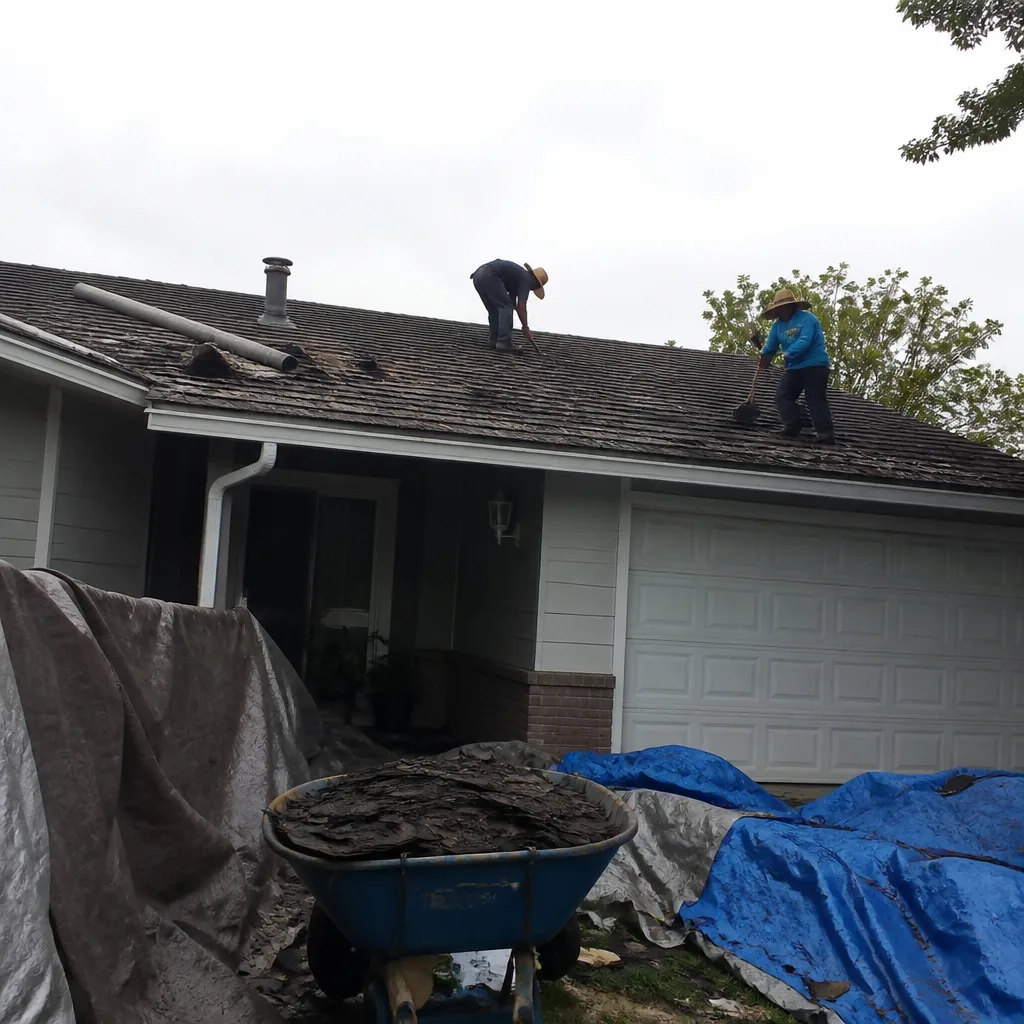 Before
 After
After Before
 After
After Before
 After
After