
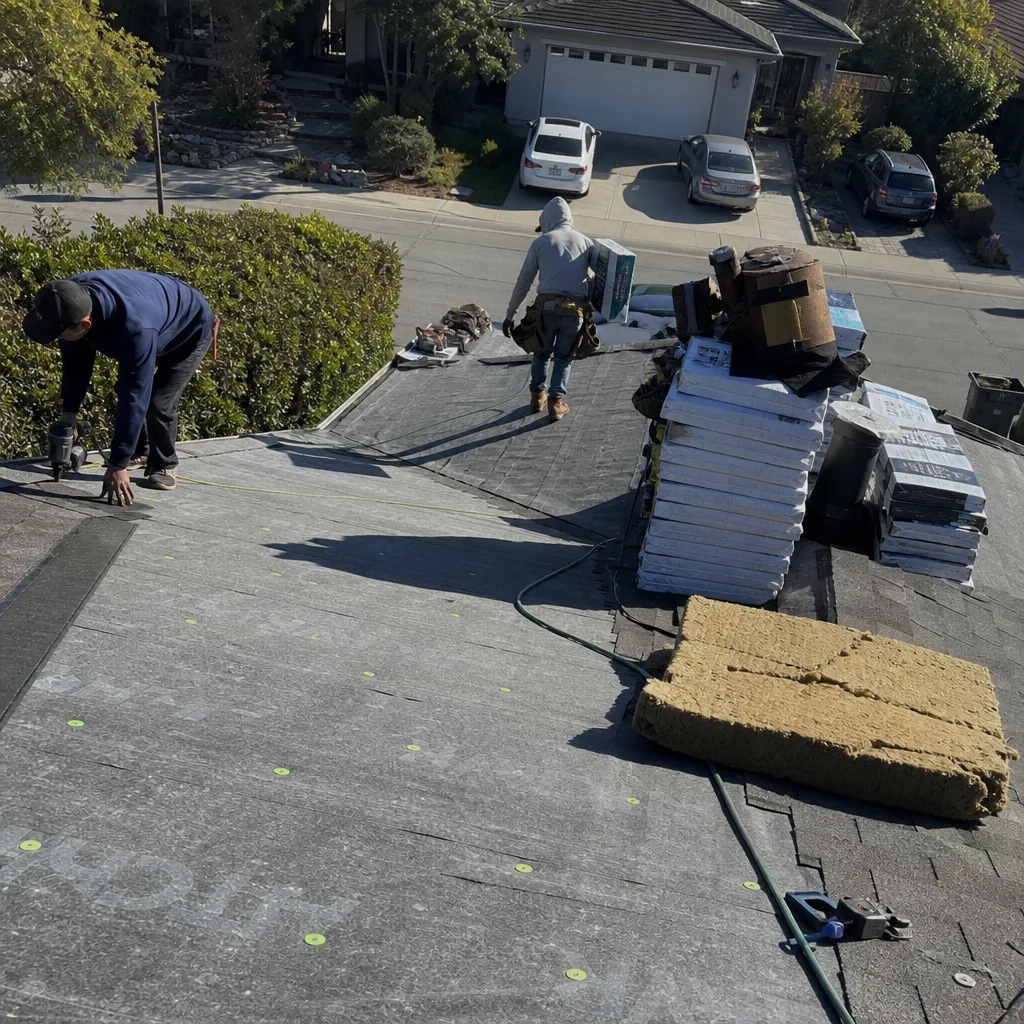
Last updated October 17, 2026
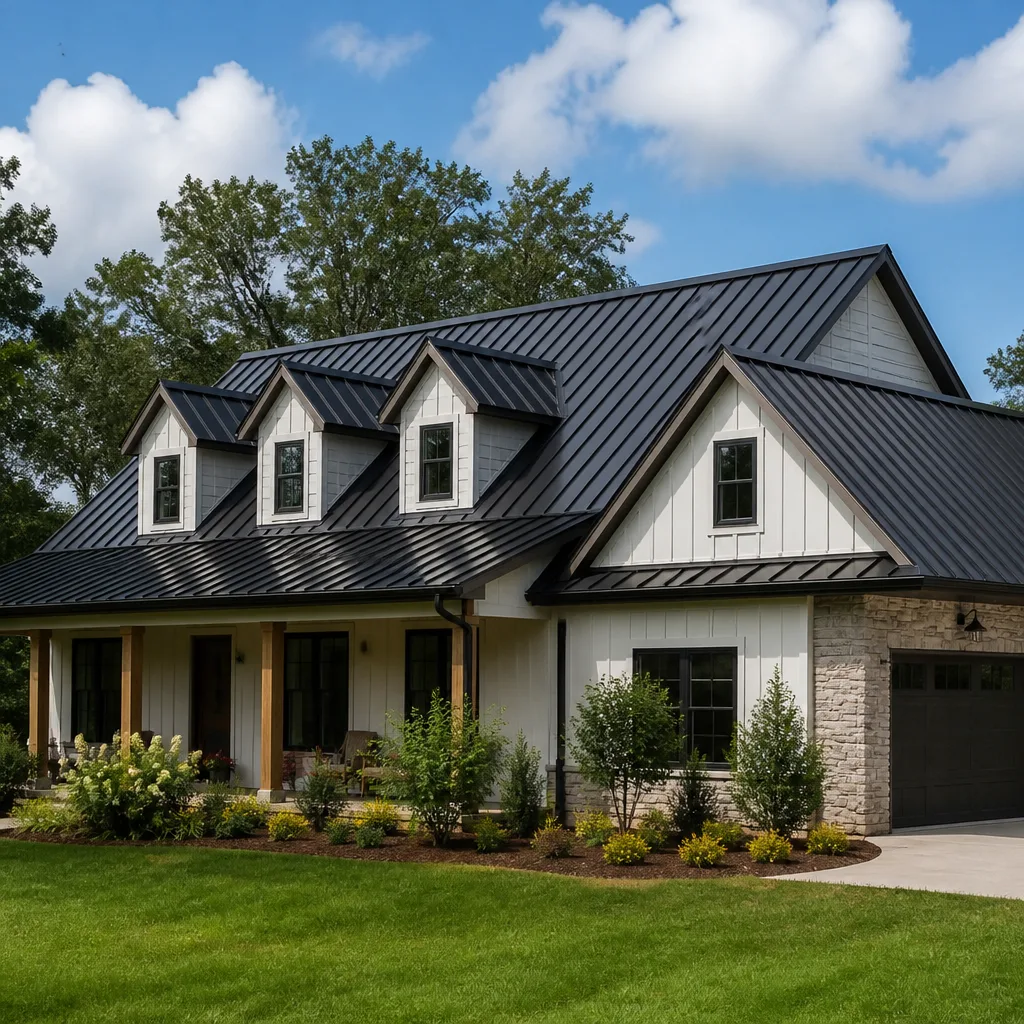 Metal roofing
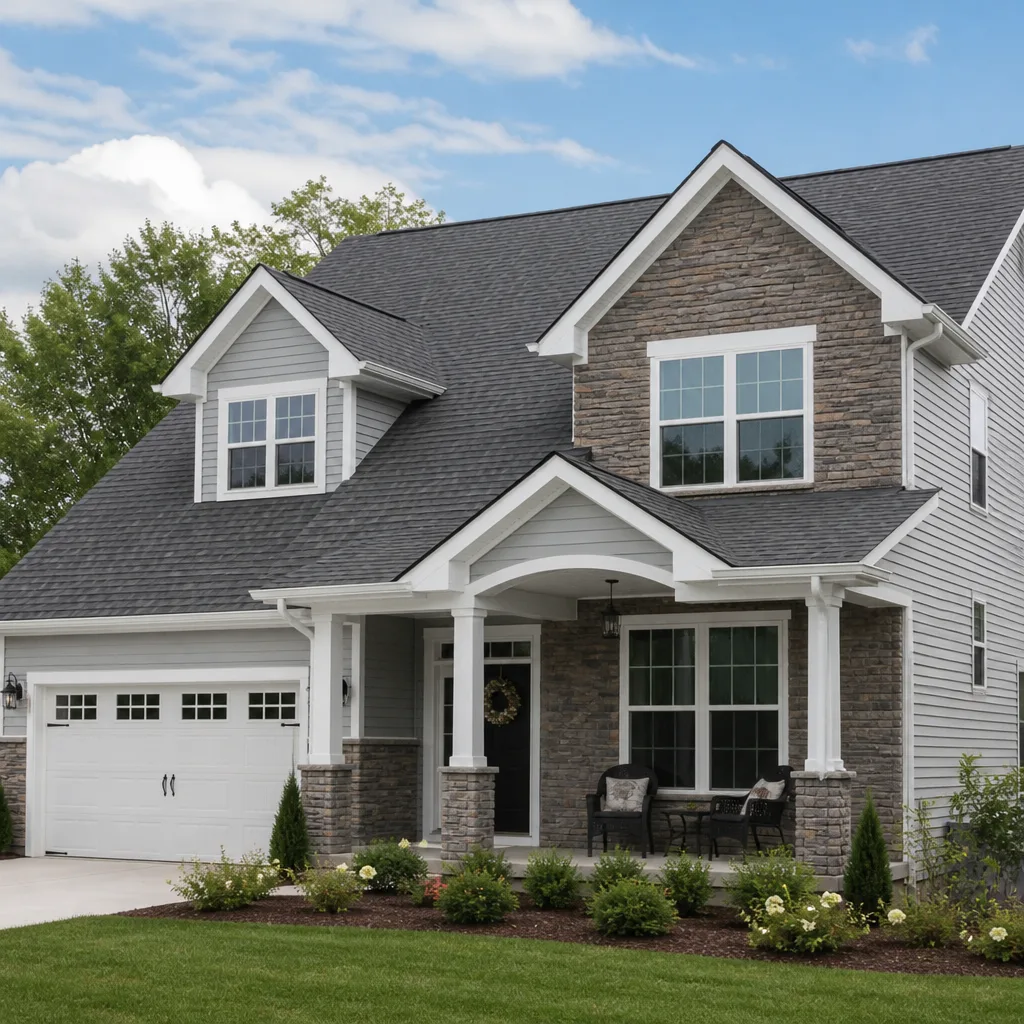
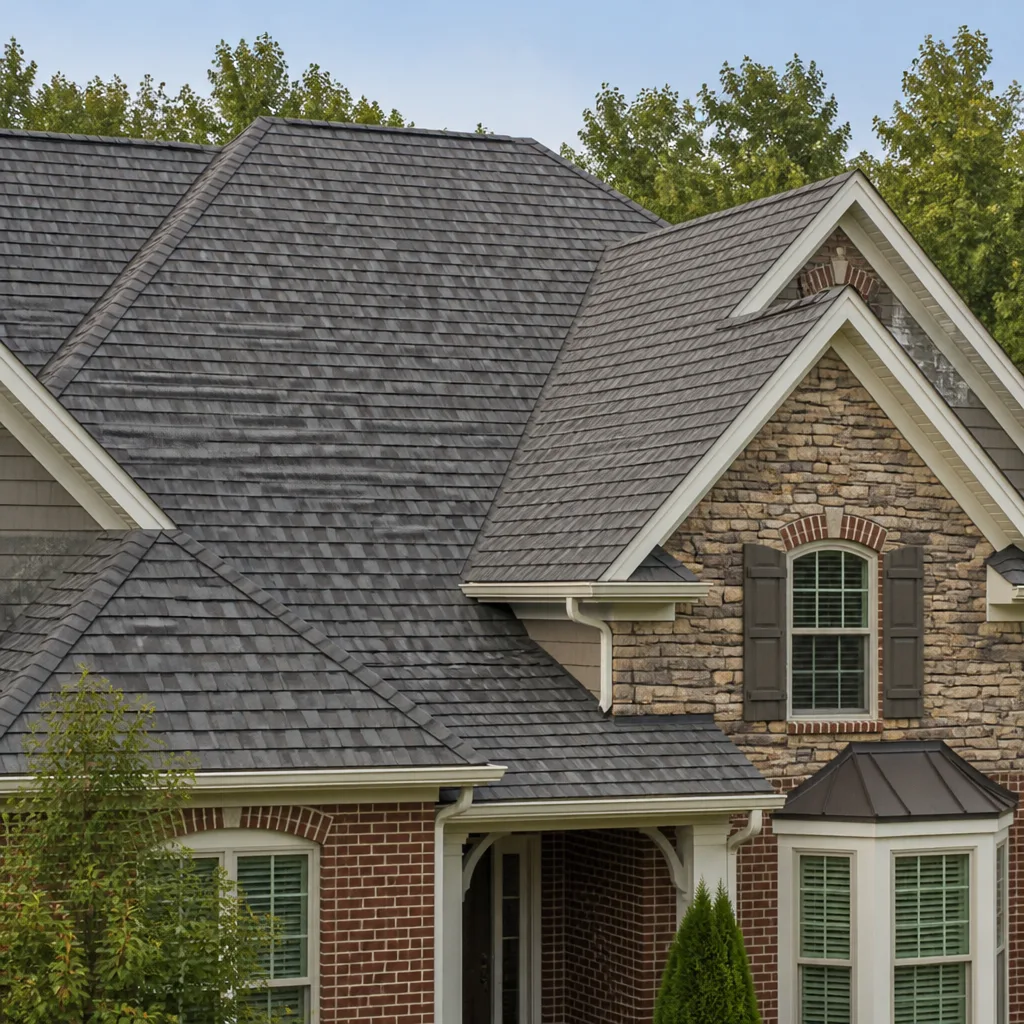 Architectural shingles
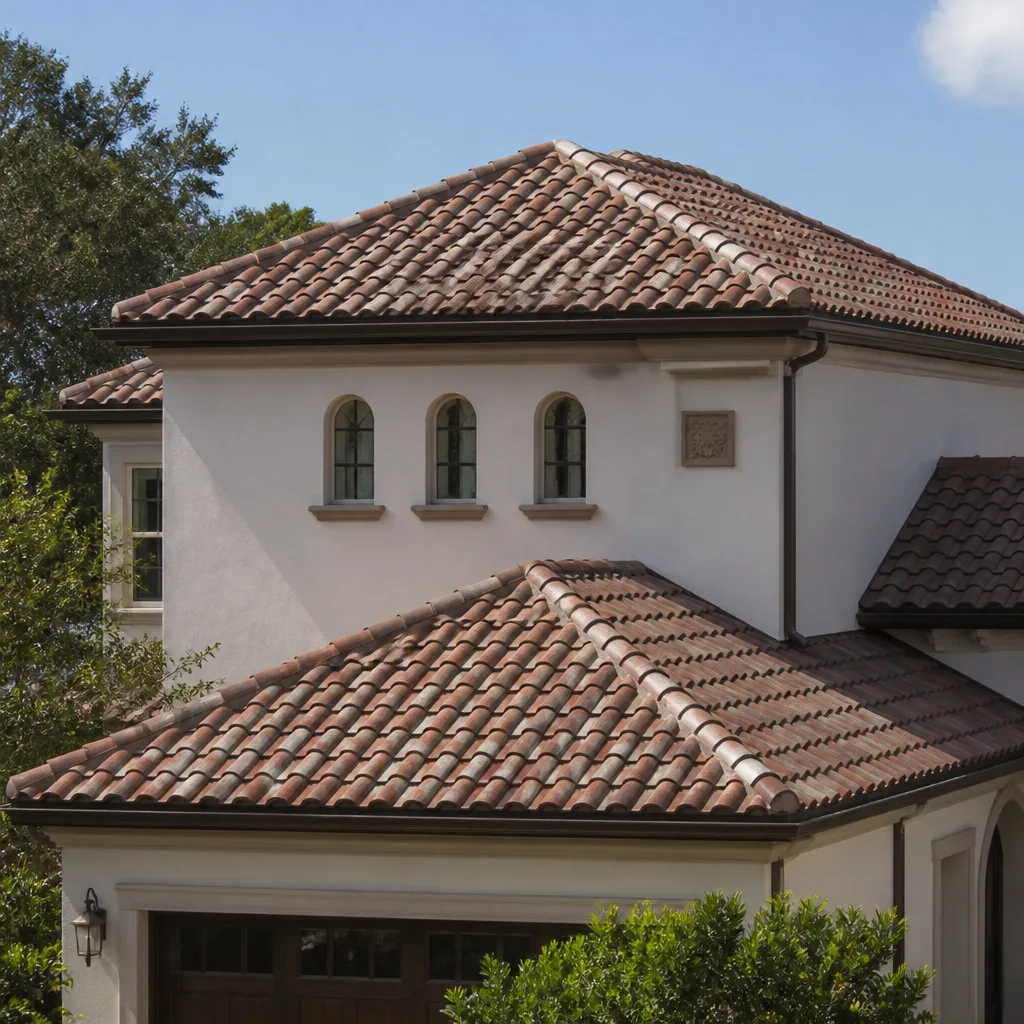 Tile roofing
 GAF
GAF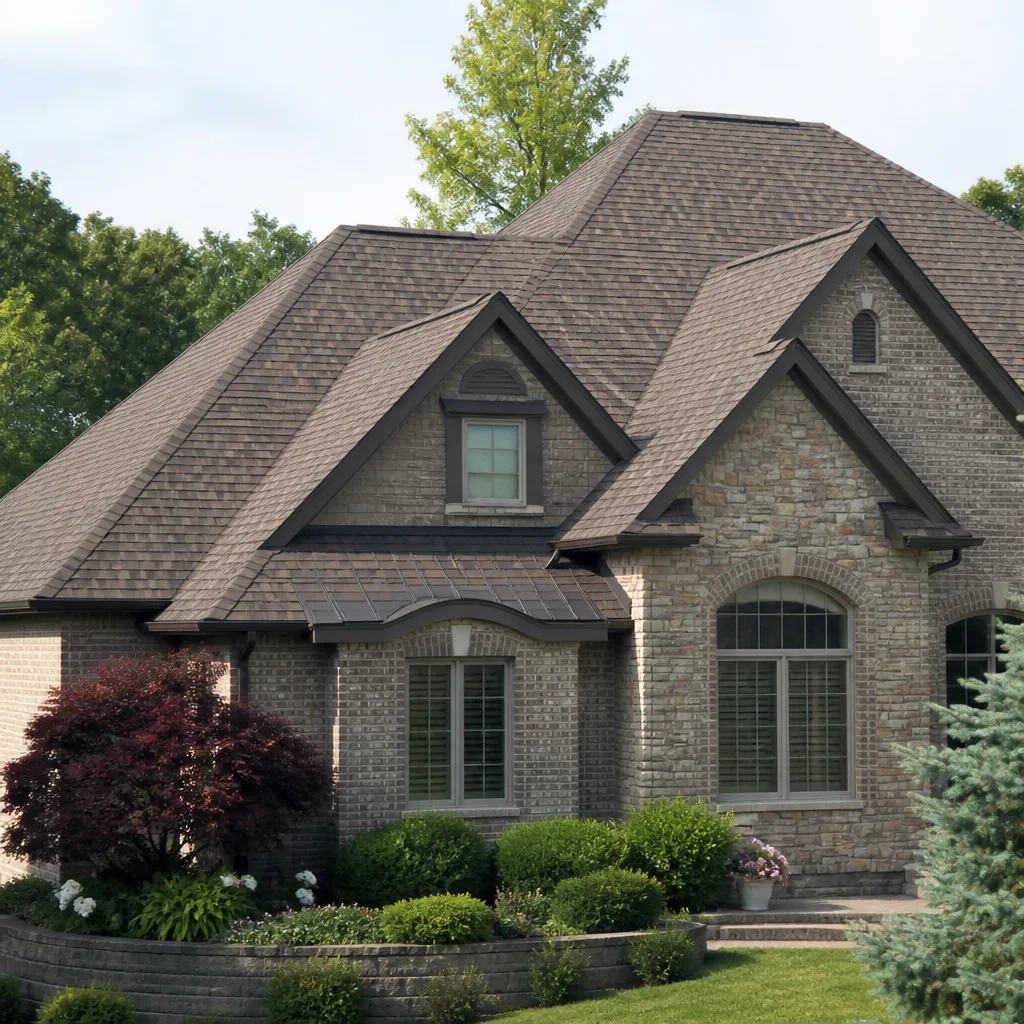 Owens Corning
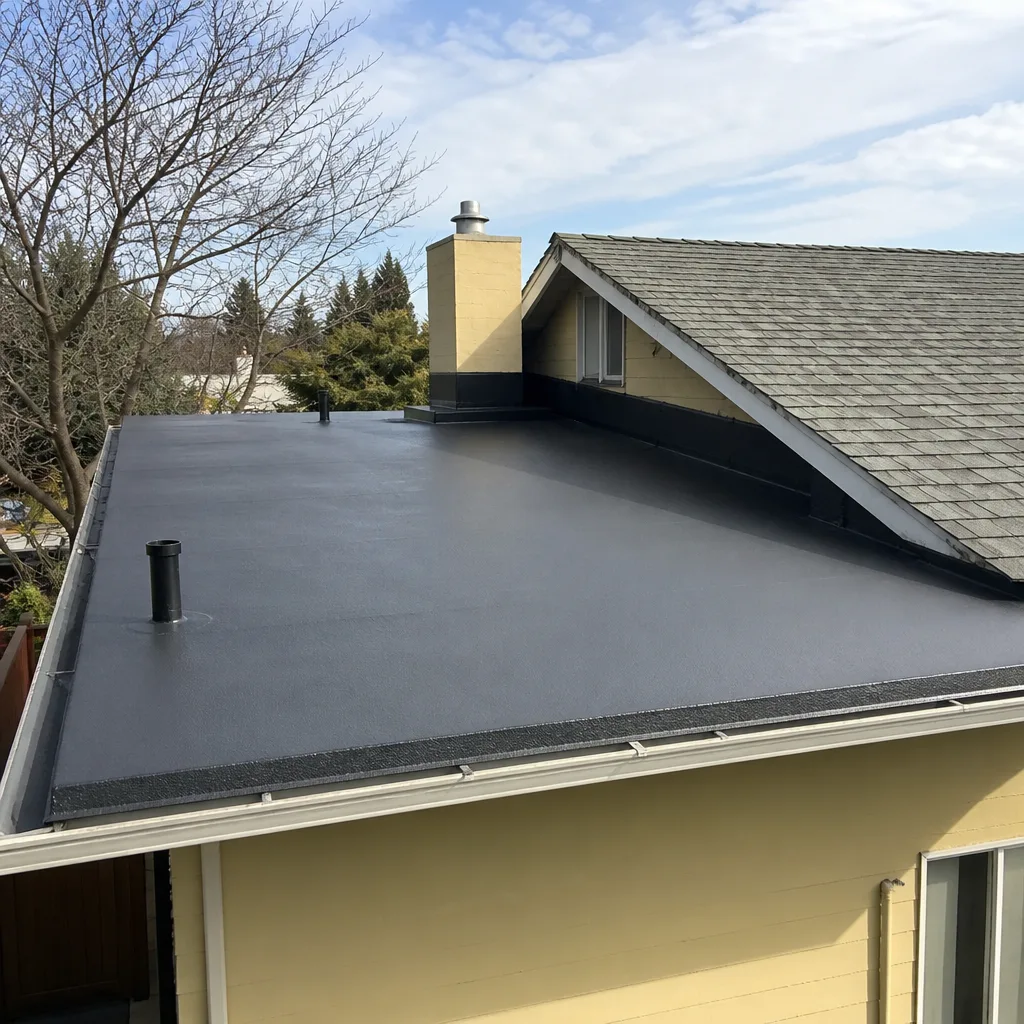
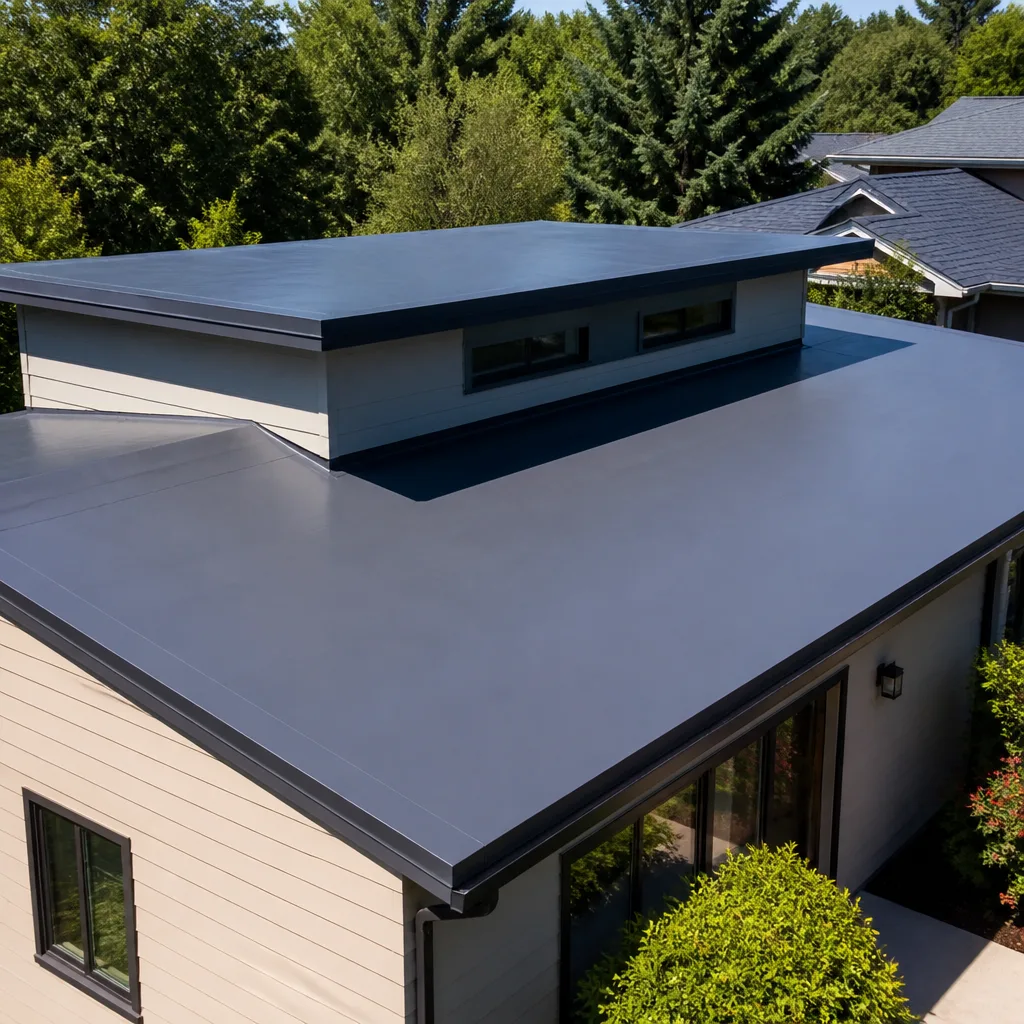 Flat & low-slope
Free roof inspection with deck photos before we talk money - GAF and Owens Corning certified installation
The Complete Guide to Roofing in San Jose
A roofing material rated for 50 years in Portland can fail in 18 in Almaden Valley. Not because of rain, but because of heat cycling and ember wash that generic buying guides never mention. San Jose is not a stand-in for “California.” It is a specific place with a specific problem: the eastern foothills bake while the western corridor sits in fog, and a roof that handles one side of the city may be wrong for the other. This guide walks through what actually matters when you’re choosing, repairing, or replacing a roof in San Jose, from microclimate quirks to seismic code requirements to the line-item details hiding inside your bid. For more guides & resources, visit our blog.
Styles & brands we work with
Quick Answer
Roofing in San Jose means choosing materials and installation methods that survive a 40-degree daily temperature swing, wildfire ember exposure in foothill zones, and California’s seismic and Title 24 energy code requirements. Most asphalt shingle roofs in San Jose last 18 to 25 years, with full replacements typically costing between $14,000 and $38,000 depending on size, pitch, decking condition, and material choice. Start with a written, line-item estimate before any work begins, and always confirm your roof’s WUI designation before selecting materials.
Table of Contents
- How San Jose’s Microclimates Change Your Roofing Decision
- WUI Designation in the Foothills: What It Means for Materials and Insurance
- Seismic Strapping, Re-Decking, and Title 24: What a Full Replacement Triggers
- How to Read a San Jose Roofing Bid Line by Line
- A Repair That Buys Time vs. a Repair That Resets the Warranty Clock
- Material Options: What Actually Performs in San Jose’s Climate
- Common Mistakes to Avoid
- When to Call a Professional
- Frequently Asked Questions
- The Bottom Line
How San Jose’s Microclimates Change Your Roofing Decision
San Jose spans roughly 180 square miles, and the difference between a roof in Willow Glen and a roof in Evergreen is not subtle. The city’s geography creates at least three distinct climate bands, and each one punishes different roofing materials in different ways.
The western corridor, including neighborhoods like Rose Garden, Willow Glen, and Cambrian, sits closer to the coastal fog influence that pushes through the Santa Cruz Mountains gaps. Roofs here see more morning moisture, slower drying, and cooler summer temperatures. Algae and moss growth are real concerns. Lighter-colored shingles with algae-resistant granules, like certain lines from Owens Corning and GAF, hold up better in these damp microclimates. Dark roofs in this band also cost more to cool, though the fog helps moderate that.
The central valley floor, including Downtown, Japantown, and the stretch along 101 and 280, experiences what meteorologists call a thermal belt effect. Heat collects here during the day and radiates out slowly at night. Roofs in this band undergo rapid thermal expansion and contraction. Shingles with poor dimensional stability can crack or curl prematurely. In our experience working on roof repair in San Jose, we see more cracked shingles and lifted flashing in the central corridor than anywhere else in the city.
The eastern foothills, including Almaden Valley, Silver Creek, and the Evergreen hills, are the harshest zone. Summer temperatures regularly push past 95 degrees while nighttime lows drop into the 50s. That’s a 40-degree swing, day after day, for months. Materials expand and contract constantly. Cheaper asphalt shingles lose granules faster here. Tile and stone-coated steel perform significantly better in this band because they handle thermal cycling without degrading. The tradeoff is cost: concrete tile can run $22 to $32 per square foot installed, compared to $5 to $8 per square foot for architectural asphalt.
Choosing the right roof for your specific San Jose neighborhood means knowing which band you live in, not just what the national average recommends.
WUI Designation in the Foothills: What It Means for Materials and Insurance
If you live in Almaden Valley, the Evergreen foothills, or the hillsides above Silver Creek, your home likely sits inside a Wildland-Urban Interface zone, usually shortened to WUI. This is a formal designation from Cal Fire that changes what you can legally put on your roof and how your insurance company views your home.
A WUI designation means your roof is at elevated risk of ember exposure during wildfire season. Embers, not direct flame, cause the majority of structure ignitions. When embers land on a roof, the outcome depends almost entirely on the roof covering material and the condition of the roof’s edges and valleys. A Class A fire rating, the highest available, is the standard that insurers and building codes expect in WUI zones. Asphalt shingles, concrete tile, clay tile, and metal roofing can all achieve Class A ratings when installed with the right underlayment and edge details.
What many San Jose homeowners don’t realize is that your roof’s WUI compliance isn’t just about the covering. The roof edges, where embers collect, matter enormously. Open eaves, exposed rafter tails, and unprotected vents give embers a direct path into your attic. San Jose’s building department enforces WUI-specific requirements for new construction and re-roofing projects in designated zones. That includes ember-resistant vents, closed eaves, and ignition-resistant underlayment.
Insurance is the other side of this equation. California insurers have been underwriting roofs more aggressively since 2018. Homes in WUI zones with aging wood shake or degraded shingles are seeing non-renewals. Homes with documented Class A roofs and updated ember protection are in a better position during renewal. When you’re planning a roof replacement in San Jose, document everything: the materials used, the installation photos, the underlayment spec, and the final inspection. Your insurance company may ask for this later, and having it on file saves real money.
Seismic Strapping, Re-Decking, and Title 24: What a Full Replacement Triggers
California building codes treat a full roof replacement as a triggering event. Once you remove more than a certain percentage of the existing roof, the project must comply with current code requirements, not just the code that was in place when your home was built. In San Jose, that means three things get triggered together: seismic strapping, decking evaluation, and Title 24 energy compliance.
Seismic strapping connects your roof framing to the walls below. Homes built before 1980 often lack proper hurricane ties and roof-to-wall connections. During a significant earthquake, the roof structure can slide or lift off the walls, causing catastrophic damage. When you replace your roof, the City of San Jose requires an inspection of these connections. If they’re inadequate, you’ll need to add strapping before the new roof goes on. This is not a negotiable upgrade. We’ve seen bids from out-of-town contractors that skip this line item entirely, and the homeowner discovers the additional cost after the old roof is already torn off. That’s why we recommend reading our How to Hire a Roofing Contractor in San Jose: A Step-by-Step Guide before you sign anything.
Decking evaluation is the second trigger. The deck is the structural layer, usually plywood or OSB, that sits on top of your rafters and underneath your roofing material. If the decking is rotted, delaminated, or not thick enough to meet current nailing standards, it must be replaced or reinforced. San Jose code requires a minimum deck thickness that many 1960s and 1970s homes don’t meet. Expect $3 to $6 per square foot for replacement decking when needed.
Title 24 is California’s energy code. On a re-roof project, Title 24 requires that your roof assembly meet current cool roof standards for your climate zone. Much of San Jose sits in climate zones 3 and 4, where cool roof requirements apply to low-slope roofs and, in some cases, steep-slope roofs. A cool roof reflects more sunlight and absorbs less heat. That’s a long-term energy win, especially in the inland heat pockets like Berryessa and the eastern foothills. But it also means your material choice has a legal constraint attached. Light-colored shingles, certain tile profiles, and reflective metal roofing all qualify. A dark charcoal shingle may not be code-compliant on certain roof types in certain zones.
The practical takeaway: a full roofing company in San Jose that knows local code will include these items in the bid as standard line items, not as surprise change orders after tear-off.
How to Read a San Jose Roofing Bid Line by Line
Reading a roofing bid is not complicated once you know which line items are real and which ones are padding. Here’s a breakdown of what should appear on a complete San Jose roofing bid, in plain language.
The Standard Line Items
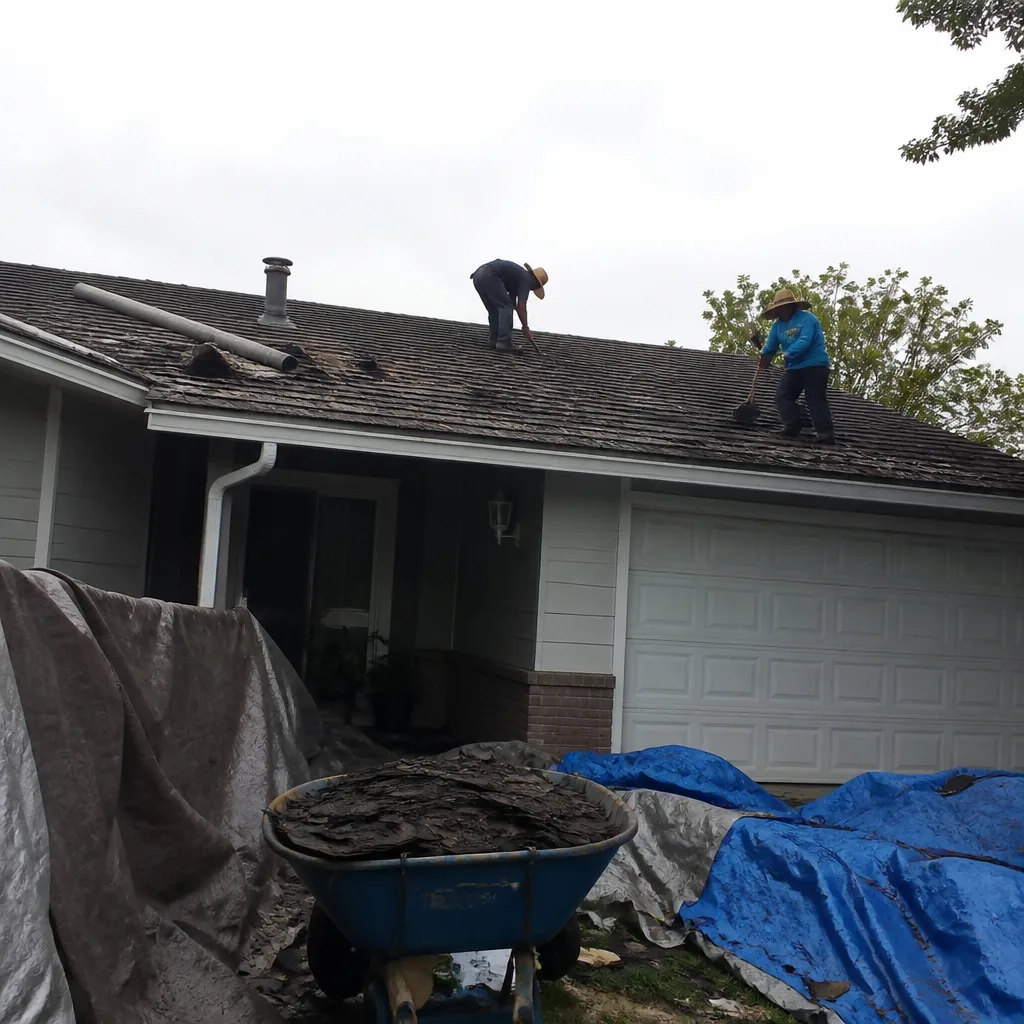
- Tear-off and disposal. This covers removing the old roof down to the decking, hauling away the debris, and disposing of it at a licensed facility. In San Jose, expect $1.50 to $3.50 per square foot. Disposal fees have increased steadily since 2020, so don’t be surprised by this line item.
- Decking repair or replacement. This is the “we won’t know until we tear off” line. A good bid includes a per-sheet or per-square-foot price for replacement decking, so you know the cost before any rot is discovered. A bid that says “decking as needed, TBD” is a bid that can grow at the door.
- Underlayment. This is the water-resistant barrier between your deck and your roof covering. San Jose’s WUI zones require specific underlayment grades. Expect $0.50 to $1.00 per square foot for standard synthetic underlayment, more for high-grade WUI-compliant products.
- Flashing and edge metal. This includes drip edge along the eaves, flashing around chimneys, skylights, and vents, and valley metal where roof planes meet. Flashing failures are the number one source of leaks in San Jose, where expansion and contraction from temperature swings stress these joints constantly. Expect $800 to $2,500 depending on roof complexity.
- Ventilation. Ridge vents, soffit vents, and intake vents keep your attic from becoming an oven. San Jose’s summer heat makes ventilation a functional necessity, not an upsell. Expect $400 to $1,200 for a standard re-roof ventilation package.
- Roof covering material. This is the shingle, tile, or metal itself. Materials from manufacturers like GAF and CertainTeed carry different price points and different warranty terms. We’ll cover these below.
- Labor. The crew’s time. In San Jose, skilled roofing labor runs $2 to $4 per square foot depending on roof pitch, accessibility, and material complexity.
- Permits and inspections. San Jose requires permits for full re-roofs. Expect $400 to $1,200 depending on the scope. A bid without a permit line item is illegal and will cause problems when you sell the home.
What’s Negotiable and What Isn’t
- Not negotiable: permits, disposal fees, seismic strapping upgrades, WUI-required materials, and anything the building inspector will fail your project for missing.
- Negotiable: material upgrades (premium shingle lines vs. standard), ventilation extras, and cosmetic options like metal accents or decorative ridge caps.
- Red flag: any bid that’s dramatically lower than the others. In San Jose’s competitive market, a low bid almost always means missing line items that will appear later as change orders.
We put a written price in your hands before any work starts. Not an estimate, not a range. A line-item price that doesn’t change unless the decking condition honestly requires work that couldn’t have been seen before tear-off. That’s the standard, not the exception. If you’re weighing whether to tackle work yourself, see our DIY vs Professional Roofing: The San Jose Homeowner’s Decision Guide.
A Repair That Buys Time vs. a Repair That Resets the Warranty Clock
Not all repairs are created equal, and in San Jose, the difference matters more than in milder climates. A repair that buys time keeps water out for a season. A repair that resets the warranty clock actually restores the roof’s service life, at least in the repaired area. Here’s how to tell which one you’re being sold.
A time-buying repair is usually a patch job. The roofer seals a leak with mastic or roofing cement, replaces a few missing shingles, or caulks a flashing joint. These repairs cost $300 to $700 in San Jose and typically last six months to two years. They’re appropriate for a roof near the end of its life when you’re planning a full replacement in the next year. They’re not appropriate for a roof with ten years of life remaining that has a localized problem. In San Jose’s heat, mastic patches dry out and crack within a single summer in the inland zones.
A warranty-resetting repair is a proper fix. The roofer removes the affected shingles or tiles, replaces the damaged underlayment, installs new flashing, and reinstalls new covering material woven into the surrounding roof. These repairs cost $800 to $2,500 and should carry a written guarantee. When done correctly, the repaired section performs like new for the remainder of the roof’s expected life. The key word is written. A verbal promise is not a warranty.
Here’s the test: ask these three questions before approving any repair.
- Is the repair in writing, and what does it cover? A written guarantee should state the repair location, what was done, and what the roofer will do if it fails within the guarantee period.
- Does the repair company return for free if it fails? Under our 365-Day Done Right Promise, if a repair fails inside the guarantee period, the crew returns to correct it at no charge. That’s the floor, not a premium add-on.
- What does the repair do to the roof’s overall condition? A competent roofer will tell you the truth: this buys five years, or this buys twenty. If the answer is vague, you’re being sold a patch job.
For reference, most asphalt-shingle repairs in San Jose run $350 to $1,800 depending on the leak source and roof accessibility. Tile repairs range from $450 to $2,500, higher on steep pitches or when the underlying battens need replacement. Knowing these ranges before you pick up the phone changes the conversation completely.
Material Options: What Actually Performs in San Jose’s Climate
San Jose’s climate eliminates some roofing materials from serious consideration and elevates others. Here’s the honest breakdown, based on what we see performing, or failing, across the city’s microclimates.
Asphalt Shingles (Architectural)
Still the most common choice in San Jose, and for good reason: cost, availability, and a track record that spans decades. Architectural shingles from manufacturers like GAF, CertainTeed, Owens Corning, IKO, Atlas, and Tamko all offer lines suitable for San Jose. Expect 18 to 25 years of service in the central valley floor, 15 to 20 in the harsher foothill heat. Algae-resistant lines are worth the upgrade west of 880 where fog moisture persists. The downside is thermal cycling: cheap three-tab shingles fail quickly in San Jose’s heat swings, and we recommend architectural profiles exclusively.
Concrete and Clay Tile
Tile is the oldest roofing technology that still works, and it handles San Jose’s heat better than anything else short of metal. Concrete tile from brands like Boral and Eagle carries a 50-year material lifespan and shrugs off thermal cycling. Clay tile performs similarly but comes at a premium, often $28 to $40 per square foot installed. The limiting factor is weight: tile requires a roof structure engineered for the load. Many San Jose homes built before 1970 can’t support tile without structural reinforcement. A competent roofer checks this before quoting.
Standing Seam Metal
Metal roofing has grown steadily in San Jose’s foothill neighborhoods because it combines a Class A fire rating with thermal performance that handles 40-degree swings without fatigue. Expect $18 to $30 per square foot installed. Metal reflects heat effectively, which matters in the energy code conversation. The tradeoff is upfront cost and, on some architectural styles, aesthetics.
What We Don’t Recommend
Wood shake and shingle roofs are a liability in WUI zones and are being dropped by insurers across Santa Clara County. Synthetic slate looks good but has a shorter local track record than the manufacturers claim. Cheap three-tab asphalt belongs on rental flips, not on a home you intend to keep.
The right material depends on your ZIP code, your roof structure, and your budget. Our material selections span seven major manufacturers, GAF, CertainTeed, Owens Corning, IKO, Atlas, Tamko, and Boral, so the product fits the home, not just what happens to be on the truck. Ask a roofer why they’re recommending a specific material for your specific neighborhood. If the answer is “it’s what we always use,” keep looking.
Start with the Tilehurst Roofing San Jose home page to see how we approach material selection for each of the city’s climate bands. Every job begins with a written price before any work starts, and every repair is covered by a written guarantee.
Common Mistakes to Avoid
- Choosing materials for a different climate. National guides recommend products that work in Seattle or Phoenix. San Jose’s heat cycling demands materials with dimensional stability, and the fog belt demands algae resistance. Buying based on a national top-ten list is how you get a 15-year roof instead of a 25-year roof.
- Ignoring the WUI designation. If you live in the foothills and your roofer never mentions ember-resistant vents or Class A underlayment, you’re working with someone who doesn’t know San Jose code. This can cost you an insurance non-renewal and a failed inspection.
- Accepting a bid without line items. A single number with no breakdown is not a bid. It’s a guess that will be corrected upward once the old roof is off and you have no leverage.
- Deferring maintenance on flashing and edge metal. In San Jose, flashing failures cause more leaks than shingle failures. A $500 flashing repair deferred for a year becomes a $3,000 decking replacement plus a new ceiling in the living room.
- Skipping the permit. Unpermitted roof work gets flagged during home sales and insurance inspections. In a market where buyers are already cautious, an unpermitted roof is a deal killer. Pay the permit fee.
- Choosing the cheapest repair to get through one more winter. San Jose doesn’t have a harsh winter, but rain does arrive from November through March. A time-buying patch in October will likely fail by February. If your roof needs a proper fix, do the proper fix before the rainy season starts.
- Not asking about the warranty in writing before the crew leaves. A verbal “we’ll take care of it if anything goes wrong” evaporates. The written guarantee should be in your hands on the same day the repair is completed.
When to Call a Professional
Some roofing decisions are clear-cut. If you see water stains on your ceiling, granules collecting in your gutters, or shingles lifting along the ridge line, call a roofer. If you’re planning to sell a home in San Jose and the roof is over 18 years old, call a roofer before listing, because buyers and inspectors will. If your home sits in a WUI zone and you haven’t had the roof evaluated since California’s insurance market tightened, call a roofer. And if your roof is simply at the age where you’re wondering whether it’s time, calling a roofer costs nothing. Tilehurst Roofing San Jose offers free estimates in San Jose, call (669) 274-0078. A live person answers every call, 24 hours a day, 7 days a week, including evenings and weekends. No voicemail, no callback queue.
Frequently Asked Questions
A new asphalt shingle roof in San Jose typically costs between $14,000 and $28,000 for a standard 2,000 to 2,500 square foot single-story home, while tile and metal roofs run $28,000 to $55,000 or more depending on structural requirements. The final price depends on roof size, pitch, decking condition, and whether seismic strapping upgrades are required. Call (669) 274-0078 for a written line-item estimate, no cost and no obligation.
Asphalt shingle roofs in San Jose last 18 to 25 years, with shorter lifespans in the hotter eastern foothills like Evergreen and Almaden Valley where daily temperature swings accelerate granule loss. Concrete and clay tile roofs last 50 years or more, and standing seam metal roofs commonly reach 40 to 60 years. Proper ventilation and prompt flashing repairs extend the life of any roof material.
Yes, the City of San Jose requires a building permit for full roof replacements, and your roofing contractor should include the permit fee and inspection coordination as standard line items. Working without a permit creates problems during home sales, insurance renewals, and any future claims or refinancing. A legitimate roofing company in San Jose will never suggest skipping the permit.
Repair is appropriate when the roof is under 15 years old and the damage is localized to a specific area, like a flashing joint or a small section of missing shingles. Replacement makes more sense when the roof is over 18 years old, granules are continuously appearing in gutters, or multiple leaks have occurred in different areas. A roofer who measures the roof’s condition honestly will give you a straight answer, not a scripted upsell.
A WUI zone, or Wildland-Urban Interface, is a Cal Fire designation applied to areas where homes sit near wildfire-prone open space, including the foothills of Almaden Valley, Evergreen, and Silver Creek. If your home is in a WUI zone, your roof replacement must meet specific ember-resistance standards, and your insurance company will expect documentation of compliance. Check your address on Cal Fire’s WUI map or ask a local roofer during an estimate.
In many cases, yes, especially if your current roof is over 15 years old or your home is in a WUI zone. California insurers have been applying roof-related discounts for Class A assemblies and documented replacements, and some have been non-renewing policies on aging roofs. The savings depend on your carrier and roof type, so ask your agent before the project starts, and keep every installation document after it’s done.
The Bottom Line
Roofing in San Jose is a hyper-local decision. Your neighborhood’s microclimate, your home’s WUI status, and the code triggers attached to a full replacement all shape the right answer for your specific roof. Start with a written line-item estimate. Ask about seismic strapping and Title 24 compliance. Get every repair in writing with a guarantee that means something. And choose materials based on where you actually live in San Jose, not on what a national buying guide recommends. For ongoing protection, follow our Roofing Company Maintenance Checklist for San Jose Homeowners. The roof over your head is the first and last line of defense against heat, rain, embers, and earthquakes. Treating it like the important purchase it is means you’ll get the lifespan you’re paying for. Call (669) 274-0078 for a free estimate, and we’ll put the exact price in your hands before any work begins.
Written by Greg Holloway, Owner at Tilehurst Roofing San Jose, serving San Jose since 2000.
See the difference
 Before
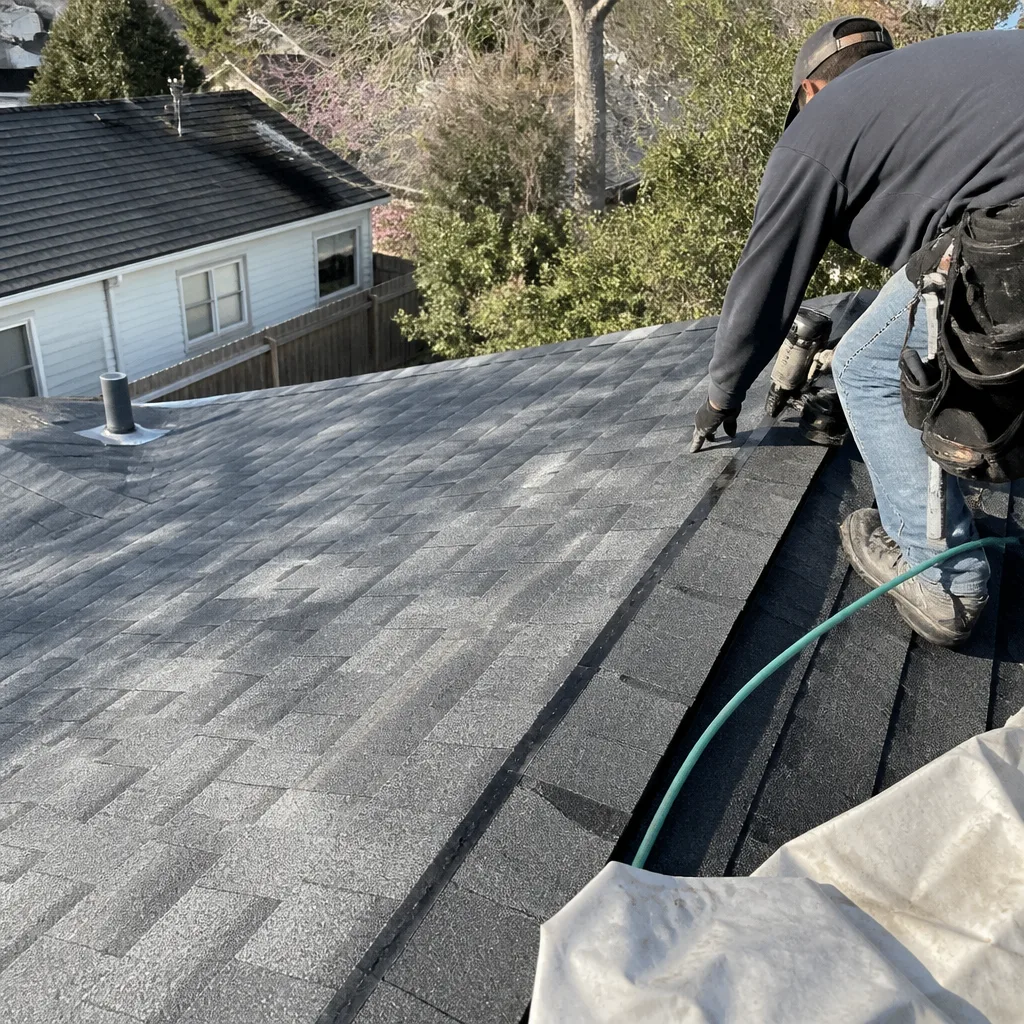 After
After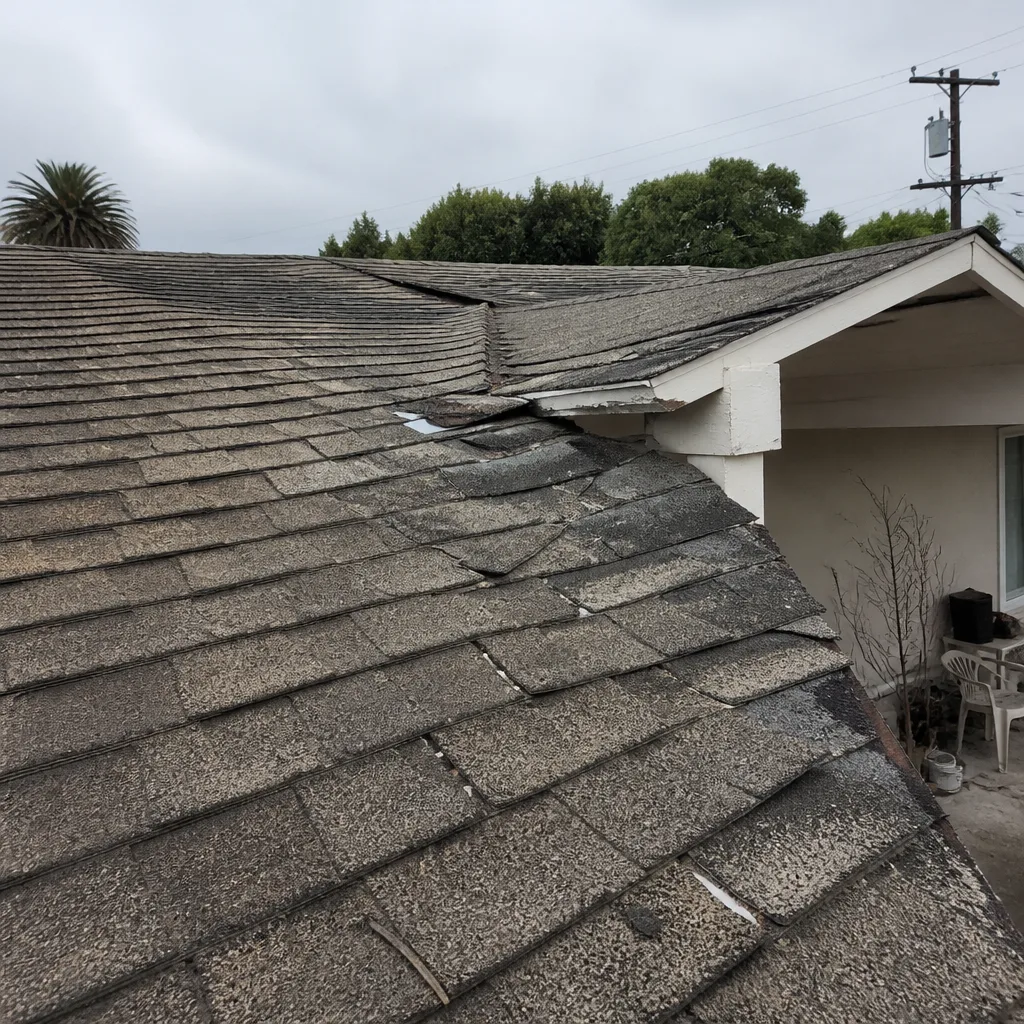 Before
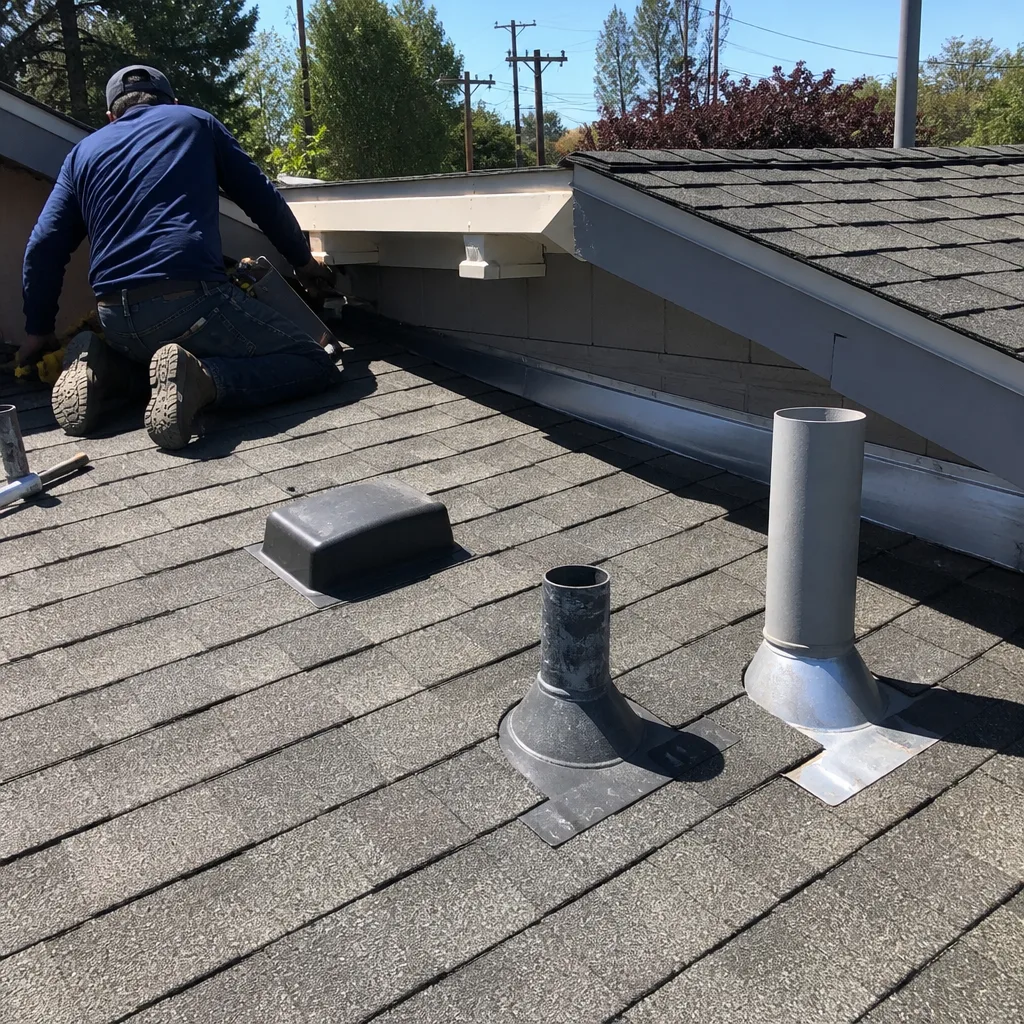 After
After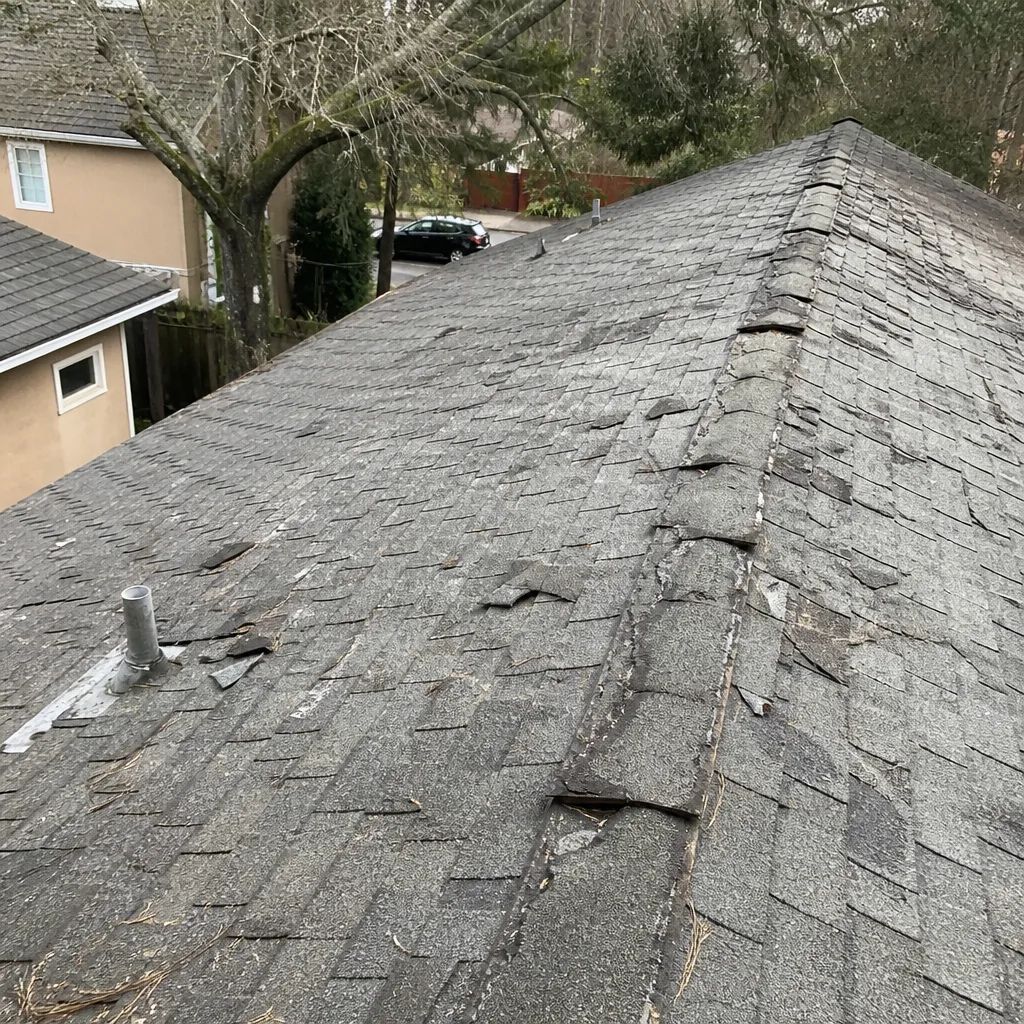 Before
 After
After