
Last updated October 17, 2026
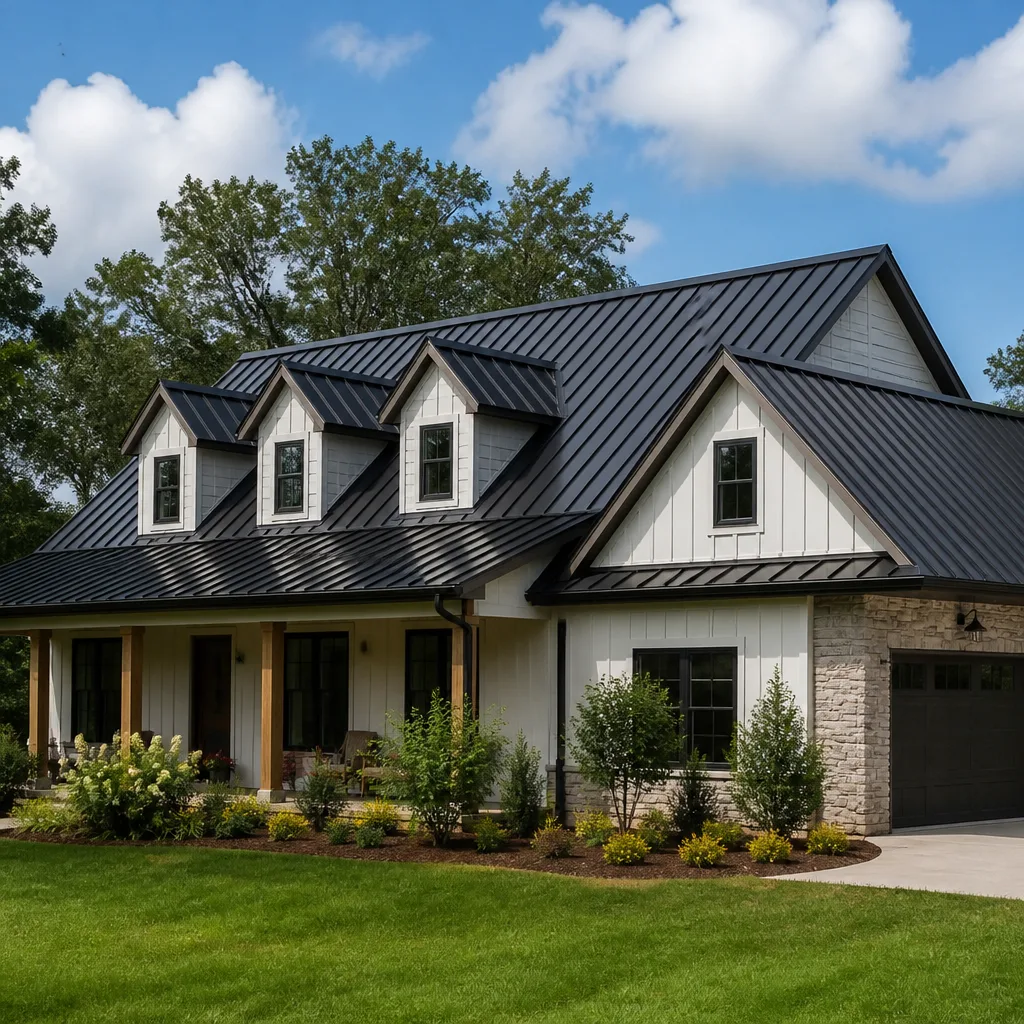 Metal roofing
 Architectural shingles
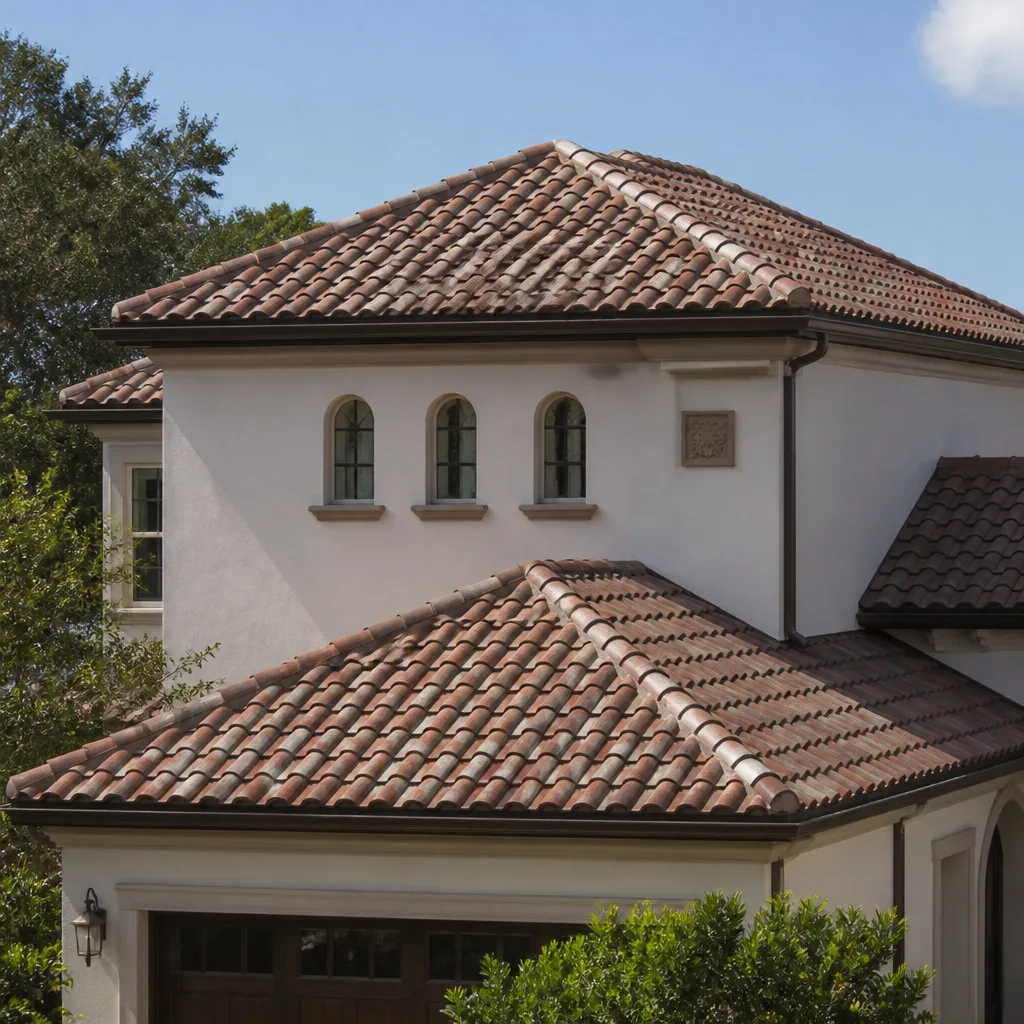 Tile roofing
 GAF
GAF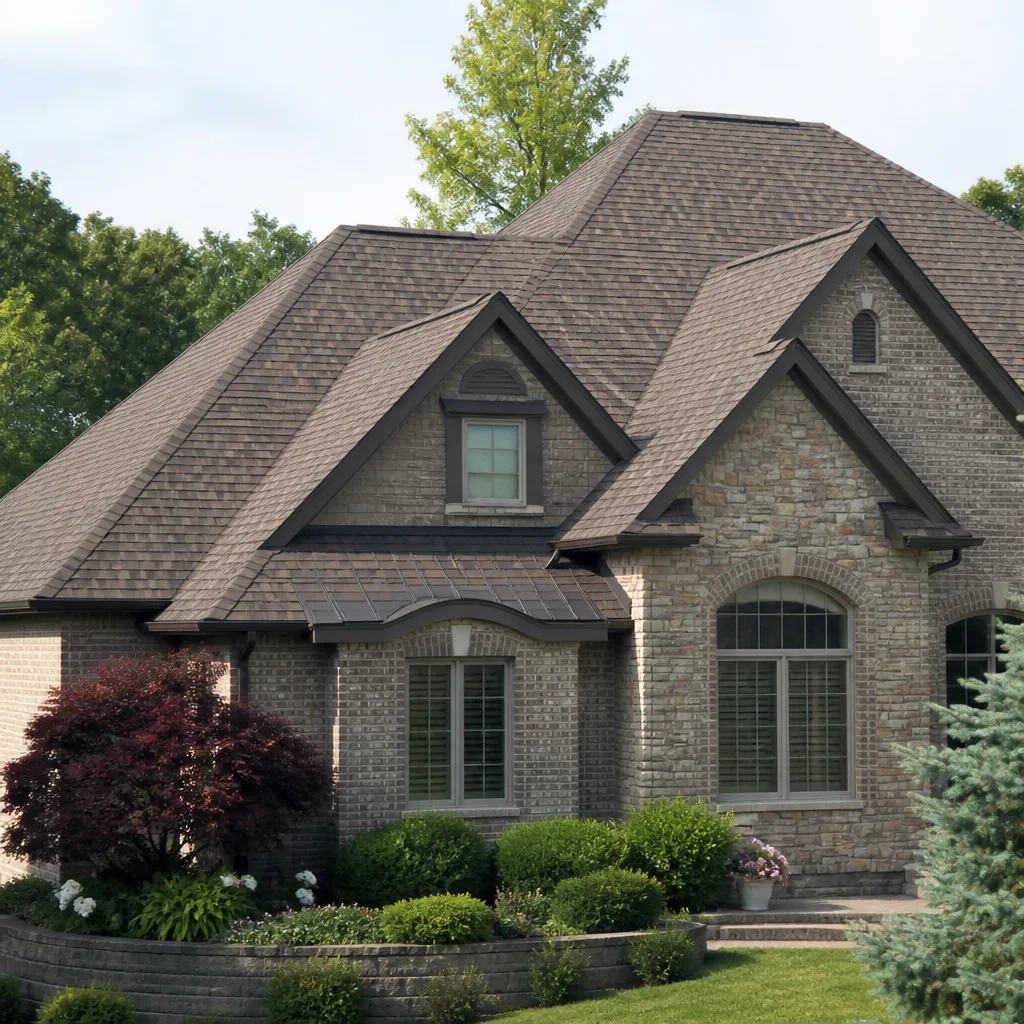 Owens Corning
 Flat & low-slope
Free roof inspection with deck photos before we talk money - GAF and Owens Corning certified installation
How to Hire a Roofing Contractor in San Jose: A Step-by-Step Guide
Here’s a number that should make you pause: California’s CSLB license lookup takes about 45 seconds to run. Most San Jose homeowners who end up with a leaking roof, a vanished deposit, or a lien on their house never ran it until after the problems started. By then, the contract was signed, the money was gone, and the leverage had vanished. This guide walks you through the hiring process in the order that actually protects you – verification first, contract second, money last. For more guides & resources, visit our blog. You’ll learn what to check before an estimate, what a San Jose roof contract must include, and the questions that separate a roofer who knows the trade from one who just knows how to sell.
Styles & brands we work with
Quick Answer
To hire a roofing contractor in San Jose, start by verifying their California CSLB license and insurance before you sign anything, get written estimates from at least two contractors that itemize the exact same scope of work, and review a contract that includes lien waiver language, a payment schedule tied to milestones, and written warranty terms. The order matters: verify credentials before the estimate, compare line-item bids before choosing, and never pay more than a small deposit before materials arrive on your property. The whole process should take about a week from first call to signed contract for a typical roof repair or replacement.
Table of Contents
- Step 1: Start With the Phone Call – What to Listen For
- Step 2: The In-Person Estimate – What Should Actually Happen
- Step 3: Verify the License and Insurance – The 45-Second Check
- Step 4: Compare the Bids – Three Traps That Cost San Jose Homeowners Real Money
- Step 5: Review the Contract – What a San Jose Roof Contract Must Contain
- Step 6: What Happens After You Sign – Deposits, Scheduling, and the Job Itself
- Common Mistakes to Avoid
- When to Call a Professional
- Frequently Asked Questions
- The Bottom Line
Step 1: Start With the Phone Call – What to Listen For
The first call tells you more than most people realize. When you call a roofing company in San Jose, pay attention to two things: who answers and how they answer. A live person who can answer basic questions about materials, timelines, and process is a signal that the company has systems. A voicemail that promises a callback “within 2 business days” is a signal that you’ll be chasing them later. Greg Holloway, who leads Tilehurst Roofing San Jose, puts it plainly: if a company can’t answer the phone during the estimate phase, they won’t answer it when your roof is leaking at 8pm on a Tuesday.
During that first call, you should ask four questions:
- What’s your CSLB license number? A legitimate contractor rattles it off or offers to text it immediately. Hesitation here is a red flag.
- Do you carry workers’ comp insurance? If a worker gets hurt on your property and the contractor doesn’t have coverage, your homeowner’s insurance can be on the hook. This isn’t a technicality; it’s a financial risk.
- Can you give me a written estimate after an in-person inspection? Any roofer who quotes over the phone without seeing the roof is guessing. A real estimate requires eyes on the decking, flashing, and existing underlayment.
- What’s your process for change orders if the decking is rotted when you tear off the old roof? This question separates experienced roofers from beginners. Every experienced contractor knows that San Jose homes built before 1990 often have plywood decking surprises hiding under old shingles. You want to hear a clear answer about how they handle it.
What you’re listening for is a pattern: direct answers, no defensiveness, no pressure to commit on the spot. A contractor who treats your questions as reasonable due diligence is a contractor who will treat the job the same way.
Step 2: The In-Person Estimate – What Should Actually Happen
An estimate visit in San Jose should take 45 to 90 minutes, depending on the roof’s complexity. If a contractor spends 10 minutes, takes three photos from the driveway, and emails you a number, you’re hiring a salesperson, not a roofer. Here’s what a thorough inspection looks like:
- They get on the roof. Not just to the edge with a ladder, but across the surface. They’re looking at granule loss on shingles, the condition of the ridge cap (the shingle line along the peak), and whether the drip edge (the metal strip along the roof perimeter that channels water away from the fascia) is rusted or lifting.
- They go into the attic. This is non-negotiable for any roof that’s more than 10 years old. From inside, a good contractor can spot water stains on the underside of the decking (the plywood layer under your shingles), signs of past leaks around vents, and rot that’s invisible from the outside.
- They check the flashing. Flashing is the metal strips around chimneys, skylights, and roof valleys that seal the joints. Most roof leaks in San Jose aren’t from shingles failing; they’re from flashing that’s pulling away after 15 years of expansion and contraction.
- They note the underlayment condition. Underlayment is the water-resistant barrier between the decking and the shingles. In older San Jose homes, underlayment is often degraded even when shingles look fine from the street.
After the inspection, you should receive a written estimate that itemizes the scope: how many squares of shingles (one square equals 100 square feet), what underlayment is specified, whether the existing decking will be replaced or reinstalled, what flashing gets replaced, and the total price. The estimate should also note any visible issues the contractor can’t fully diagnose until tear-off – like potential decking rot – and how that would be priced if discovered. At Tilehurst Roofing San Jose, every estimate ends with a written price before any work starts. Not a verbal range, not a “we’ll finalize it later,” but a number on paper. That’s the floor, not a bonus.
Step 3: Verify the License and Insurance – The 45-Second Check
Here’s where most San Jose homeowners go wrong. They call the contractor, like the vibe, get the estimate, and then get the license number when they’re about to sign. The CSLB lookup should happen before you invest any more time, not after. It takes 45 seconds at cslb.ca.gov, and it reveals more than just whether the license is active. Here’s what to look for:
- License status: It should say “Active,” not “Suspended,” “Expired,” or “Revoked.” This is the bare minimum.
- Workers’ comp status: If the contractor has employees, this should show coverage. If it says “Exempt,” ask why. A one-person operation can be exempt, but the moment someone else is on your roof, you need coverage.
- Bond amount: California requires a $25,000 contractor license bond. It protects you if the contractor violates licensing law. It’s not enough to cover a botched $40,000 roof, which is why you also need to verify insurance separately.
- Complaint history: The CSLB records complaints and legal actions. A single complaint from 2009 doesn’t tell you much. A pattern of complaints about non-performance, license issues, or abandonment tells you everything.
- License issue date: A license issued three months ago isn’t automatically disqualifying – people switch entities for legit reasons – but it means the “15 years of experience” claim is attached to a different legal entity. Ask about it.
Then call the insurance company directly. Ask the contractor for a certificate of insurance with your name on it as the certificate holder. It takes one phone call to their agent. What you’re verifying: general liability coverage of at least $1 million per occurrence, and workers’ comp if they have a crew. A contractor who pushes back on providing insurance verification has just told you something important about how they handle accountability.
None of this is unreasonable. Every legitimate Tilehurst Roofing San Jose home contractor expects these questions and has the paperwork ready. The ones who act offended are the ones to cross off your list.
Step 4: Compare the Bids – Three Traps That Cost San Jose Homeowners Real Money
You have two or three written estimates in hand. Now the work of comparison begins, and this is where San Jose homeowners lose more money than at any other step. The three traps:
Trap 1: The Lowest Total Price
A bid that’s 20% lower than the others isn’t a bargain. It’s a scope gap. Maybe it omits the drip edge replacement, or specs a single layer of underlayment instead of two, or doesn’t include the cost of renting a dumpster for tear-off. Or it uses a cheaper shingle line without telling you. When you compare bids, you compare line items, not totals. If the low bid doesn’t itemize materials, labor, disposal, and permits the same way the others do, it’s not the same roof.
Trap 2: The Vague Scope of Work
“Complete roof replacement with all necessary materials” is not a scope. It’s a placeholder. A real scope says: remove one layer of existing shingles to decking, inspect decking, replace any rotten decking at $X per sheet, install new drip edge around the entire perimeter, install ice and water shield in valleys and along eaves, install synthetic underlayment across the remaining decking, install X brand architectural shingles with X warranty, replace all pipe boots and vent flashing, install new ridge cap, haul away all debris, and obtain any required city permits. If your estimate doesn’t read something like this, ask for it in writing before you compare.
Trap 3: The Verbal Upgrade Promise
“Oh, we’ll throw in the upgraded underlayment. Don’t worry, it’s on the house.” If it’s not in the written estimate or the contract, it doesn’t exist. Contractors who promise upgrades verbally and then “forget” are common enough that the CSLB’s complaint files are full of exactly this dispute. Everything you discussed in person should appear in the written estimate before you sign. Everything.
When you sit down with three itemized bids, compare the same line items across each one. If one bid uses CertainTeed shingles and another uses Owens Corning, that’s not apples to apples – those are different product lines with different warranties. Ask each contractor to bid the same spec, or at minimum, understand the difference in what you’re getting. This is exactly why Tilehurst Roofing San Jose offers material options from seven major manufacturers – GAF, CertainTeed, Owens Corning, IKO, Atlas, Tamko, and Boral – so you can compare product choices without leaving the estimate table.
Step 5: Review the Contract – What a San Jose Roof Contract Must Contain
Here’s the section most hiring guides gloss over, and the one that protects you most. A San Jose roofing contract signed with a licensed contractor should contain specific language beyond the scope and price. Before you sign, look for these items:
- Lien waiver language. When a contractor buys materials from a supplier and doesn’t pay the bill, the supplier can file a mechanic’s lien against your home – even if you already paid the contractor. A lien release or waiver clause in your contract, plus signed lien waivers from the contractor and subcontractors at each payment milestone, protects you from paying twice.
- Payment schedule tied to milestones. The standard for a reroof is a small deposit (10% or $1,000, whichever is less, per California law), with the balance due at completion. For larger projects, payment can be staged: a portion at tear-off, a portion at underlayment completion, the remainder at final inspection. Never agree to 50% down or “materials deposit” that’s 30% of the job. Here’s the red flag: a contractor who needs a big deposit to “reserve your spot” or “lock material pricing” is financing their other jobs with your money.
- Written warranty terms. “Fully guaranteed” is not a warranty. A written warranty specifies what’s covered, for how long, and what happens if it fails. Workmanship warranties typically run 2 to 10 years. Manufacturer warranties on shingles run 25 years to lifetime, but they’re pro-rated after a certain point and only honor the material cost, not labor. Tilehurst Roofing San Jose puts a written guarantee on every repair before the crew leaves, and operates under the 365-Day Done Right Promise: if it’s not done right, we make it right for a full year after the job. Ask every contractor for their warranty terms in writing, in the contract.
- Change order procedure. If decking rot is discovered during tear-off, how is it priced? What’s the per-sheet cost? Who approves the change order before work continues? A good contract spells this out. A bad one leaves it vague and you’ll find out the cost when the job is done.
- Start and completion dates. Roofing in San Jose is weather-dependent, but a contract should still include an estimated start date and a reasonable completion window. “We’ll get to you when we get to you” is not a schedule.
- Contractor’s license number on the contract. It should match the CSLB record exactly. Not the salesperson’s name, not a DBA, the legal entity name and license number.
If any of these items are missing, ask for an addendum before signing. A contractor who refuses to put terms in writing is giving you the answer you need.
Step 6: What Happens After You Sign – Deposits, Scheduling, and the Job Itself
The contract is signed. Now you’re in the execution phase, and a few simple practices will keep the job on track:
- Keep the deposit small. California limits the initial deposit on home improvement contracts to 10% or $1,000, whichever is less. Pay by check or credit card, never cash. Get a receipt.
- Confirm the permit. Roof replacements in San Jose require a building permit. Your contractor pulls it, not you. The permit should be posted or available for inspection before tear-off begins. If a contractor suggests skipping the permit to save money, end the relationship. An unpermitted roof becomes a problem when you sell the house.
- Document the job. Take photos of the roof before work starts, during tear-off (especially the decking before it’s covered), and after completion. If there’s ever a dispute about what existed before, you’ll want the photos.
- Communicate through the project manager. A good crew has a designated point person. Direct your questions there, not to every worker walking past. It keeps the job moving and prevents miscommunication.
- Don’t pay the final balance until you’ve walked the roof. Or at minimum, until the contractor walks you through the completed work and you’ve inspected the ground cleanup. Look at the flashing, the ridge line, the edges. If something looks wrong, say so now, not after the crew has left for another job.
A roof replacement in San Jose usually takes 1 to 3 days for a standard single-family home, depending on size, pitch, and weather. A roof repair typically takes a morning or afternoon. The Kingswell Way that guides Tilehurst Roofing San Jose is simple: say the price before the work, show up in the window we gave, leave the place cleaner than we found it, put the guarantee in writing, and come back if it fails. That last part matters because the industry’s dirty secret is that follow-up is where most roofers disappear.
Common Mistakes to Avoid
- Verifying the license after signing. By the time you check, you’ve already committed. The CSLB lookup is free and takes under a minute. Run it before the in-person estimate, not after.
- Taking the lowest bid without comparing line items. A bid that’s 20% lower is usually missing scope, not margin. Compare the exact same line items across every bid you receive.
- Paying a large deposit. California caps the initial deposit at 10% or $1,000. A contractor asking for 30% or 50% up front is either financing other jobs or planning to disappear.
- Accepting verbal upgrade promises. If it’s not in the written estimate or contract, it doesn’t exist. Verbal promises are how scope disputes start.
- Skipping the attic inspection during the estimate. A roof that looks fine from the street can have rotting decking visible only from inside. Any serious contractor goes into the attic on a roof over 10 years old.
- Not reading the warranty terms before signing. “Lifetime warranty” on shingles covers materials only, often pro-rated after a decade, and never covers labor. Know what you’re actually protected against.
- Hiring for speed. The contractor who can “start tomorrow” in San Jose’s busy reroofing season is the contractor who doesn’t have a waiting list for a reason. Good roofers are booked 2 to 4 weeks out.
When to Call a Professional
Some roofing work is genuinely DIY territory – clearing a few leaves from a valley, resealing a small gap in flashing with roofing cement. But anything beyond that warrants a professional. If you see water stains on your ceiling, granule loss collecting in gutters, shingles lifting at the edges after a windstorm, or sagging along the ridge line, call someone who knows what they’re looking at. Roof work in San Jose often means walking on a steep pitch with a nail gun, and a fall from a two-story roofline is a life-altering event. Not worth it. Roof repair in San Jose and roof replacement in San Jose both start the same way: a free estimate with a written price before any work starts. Tilehurst Roofing San Jose offers free estimates in San Jose – call (669) 274-0078.
Frequently Asked Questions
A full roof replacement in San Jose typically runs $15,000 to $35,000 for a standard single-family home with architectural asphalt shingles, depending on roof size, pitch, number of layers being removed, and decking condition. For a detailed breakdown of what drives these numbers, see our Roofing Cost Breakdown: The San Jose Homeowner’s Reference for 2026. The biggest variable is decking rot discovered during tear-off, which adds $75 to $150 per sheet replaced. Call (669) 274-0078 for an exact quote on your roof – estimates are free and include a written price before any work starts.
The process from first phone call to signed contract takes about a week if you’re moving deliberately. One day for initial calls, two to three days for in-person estimates, one day to verify licenses and insurance, and one day to review and sign the contract. It’s not a fast process, and it shouldn’t be. A contractor who pressures you to sign the same day is not giving you time to do the homework that protects you.
Ask for their CSLB license number, proof of workers’ comp insurance, a written itemized estimate after an in-person inspection, their change order procedure if decking rot is discovered, their warranty terms in writing, and the name and contact info for the project manager who’ll be on site. Direct, specific answers to all six questions are a strong signal. Defensiveness, vagueness, or “we’ll get that to you later” are signals to keep looking.
Go to cslb.ca.gov and use the license lookup tool. Enter the contractor’s license number to see the license status (should be “Active”), bond amount, workers’ comp status, and any complaints or legal actions on record. Check the license issue date, too. A brand-new license attached to a claim of “15 years in business” means the experience belongs to a different entity, and you should ask why.
The price should not change unless you approve a change order in writing. The most common legitimate change in San Jose is decking rot discovered during tear-off, because that’s only visible once the old shingles come off. A good contract specifies the per-sheet cost for replaced decking before you sign. A contractor who surprises you with a higher bill at the end without written change orders is a contractor to avoid. At Tilehurst Roofing San Jose, the written price before work starts is the price you pay, and any changes are approved in writing before work continues.
Yes, roof replacements in San Jose require a building permit. Your contractor pulls the permit, not you, and it should be posted at the job site. For details on what to expect, read our guide to Roofing Permits, Codes & Inspections in CA: What You Need to Know. An unpermitted roof creates problems when you sell the house, and it’s a signal your contractor is cutting corners. Any roofer who suggests skipping the permit to save a few hundred dollars is saving you money now and costing you thousands later.
The Bottom Line
Hiring a roofing contractor in San Jose is a process, not a single decision. The order matters: verify the license before you invest in an estimate, compare itemized bids before you choose a contractor, and review contract language before you write a check. None of this is complicated, but most homeowners skip it because it takes time and feels awkward to ask for paperwork. The awkwardness is cheaper than a botched roof. A good contractor answers direct questions with direct answers and puts everything in writing without being asked. If you’re ready to talk to one, Tilehurst Roofing San Jose is a Kingswell family company founded in 2000, led by Greg Holloway, and every job begins with a written price before any work starts. Call (669) 274-0078 for a free estimate.
Written by Greg Holloway, Owner at Tilehurst Roofing San Jose, serving San Jose since 2000.
See the difference
 Before
 After
After Before
 After
After Before
 After
After