
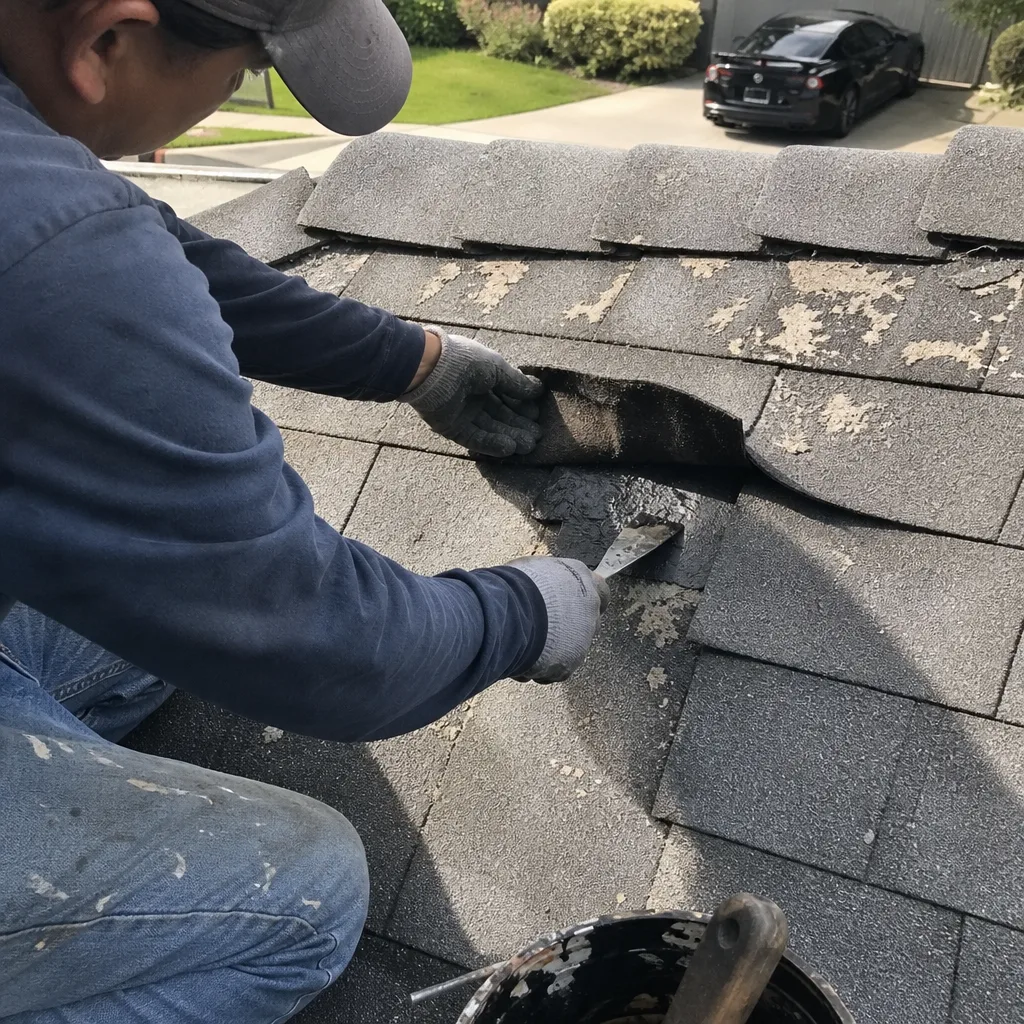
Last updated October 17, 2026
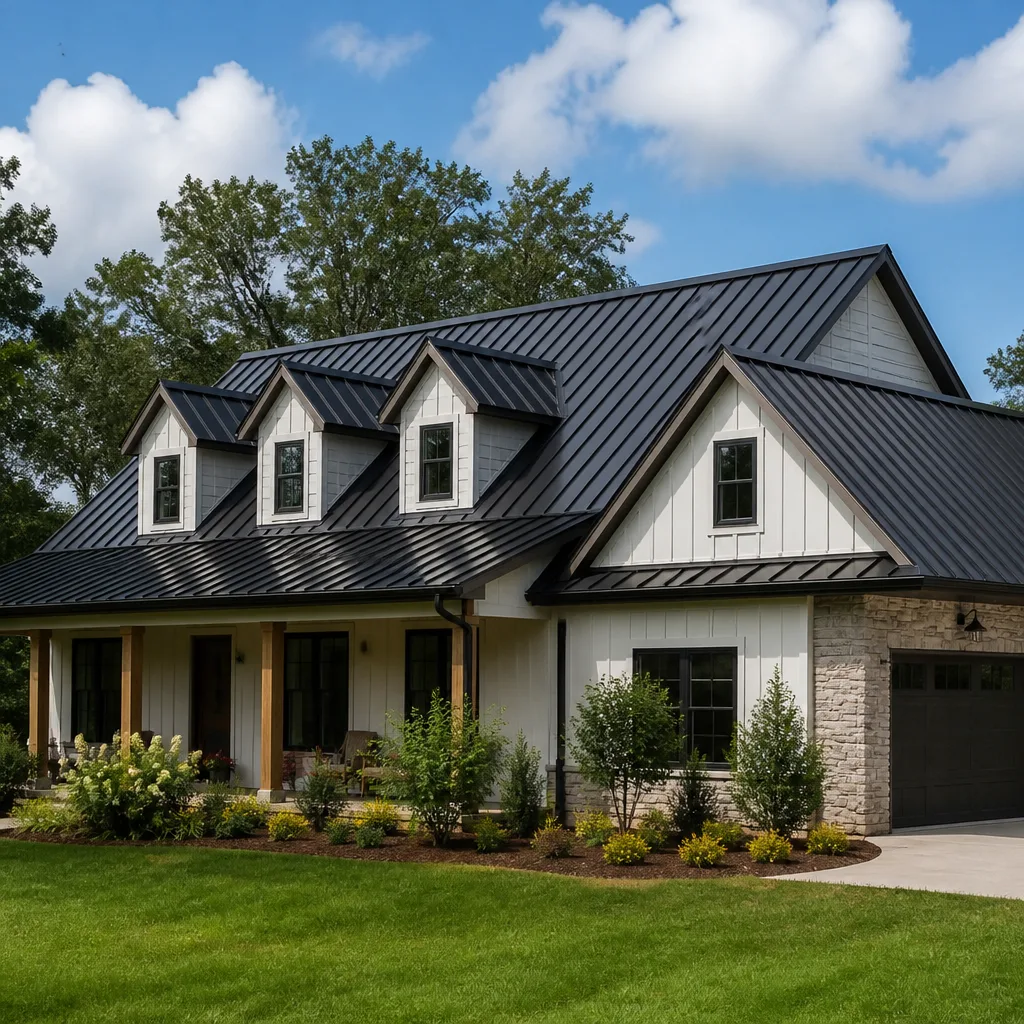 Metal roofing
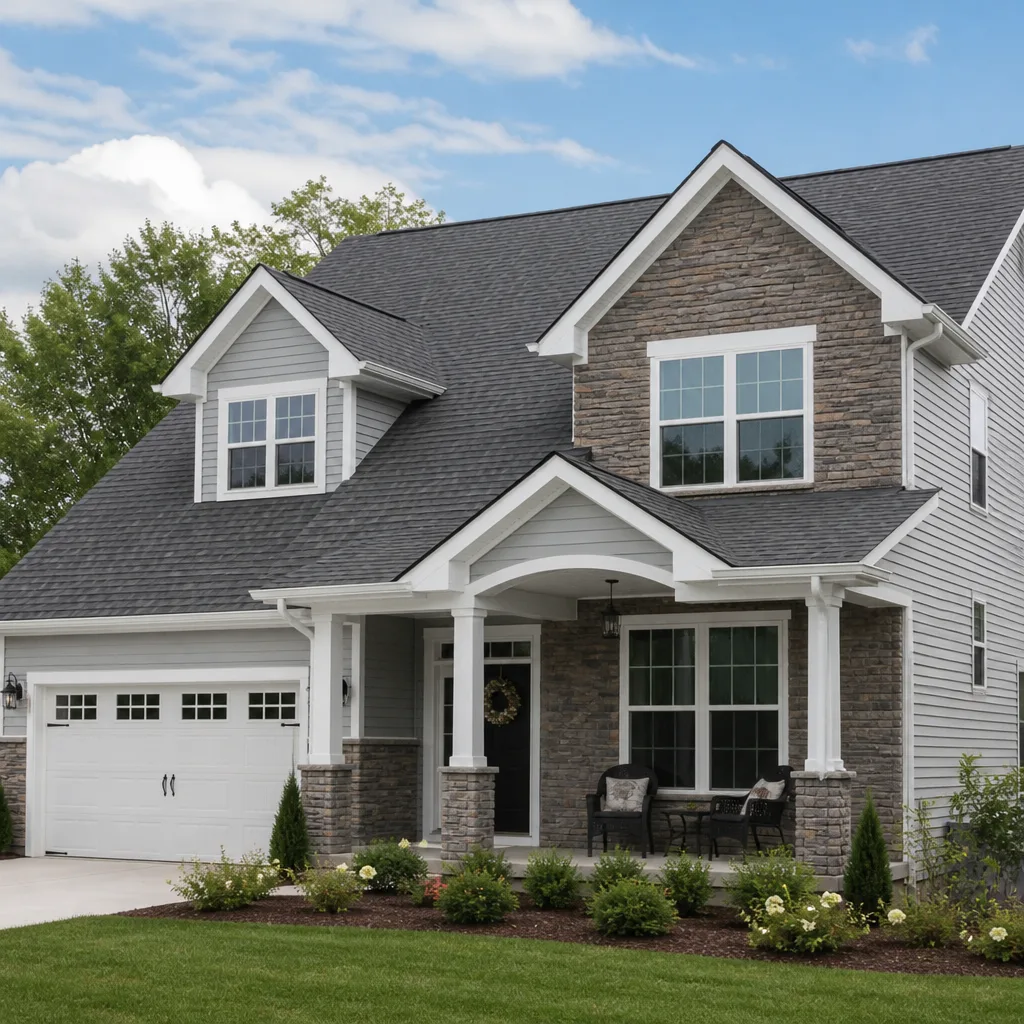
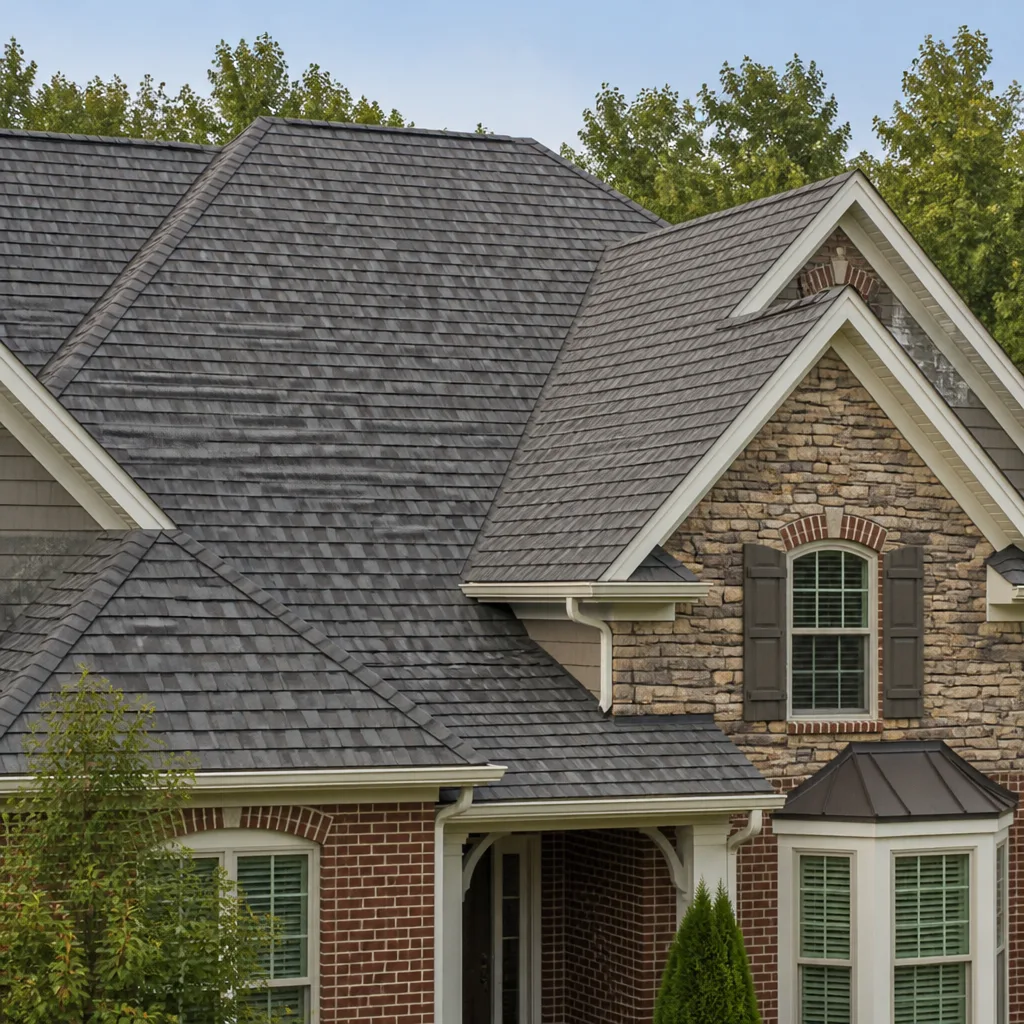 Architectural shingles
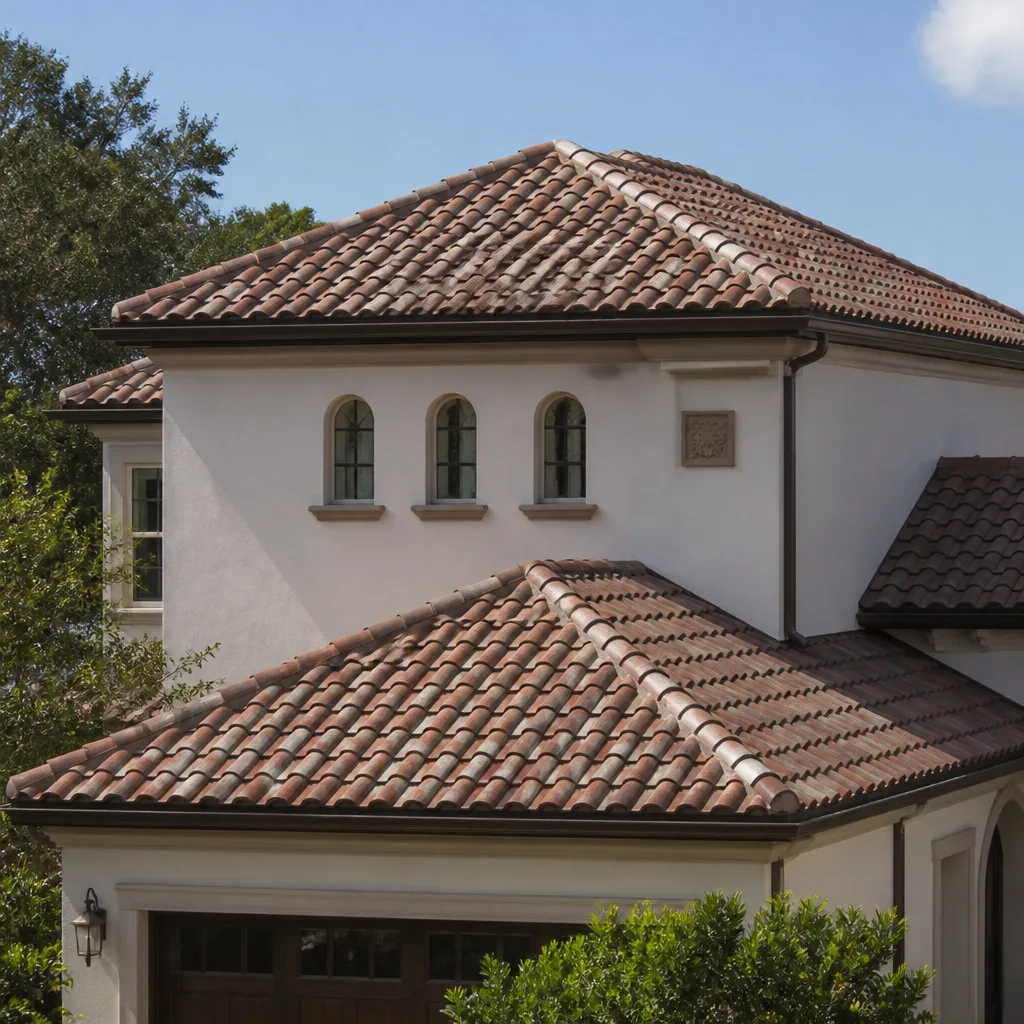 Tile roofing
 GAF
GAF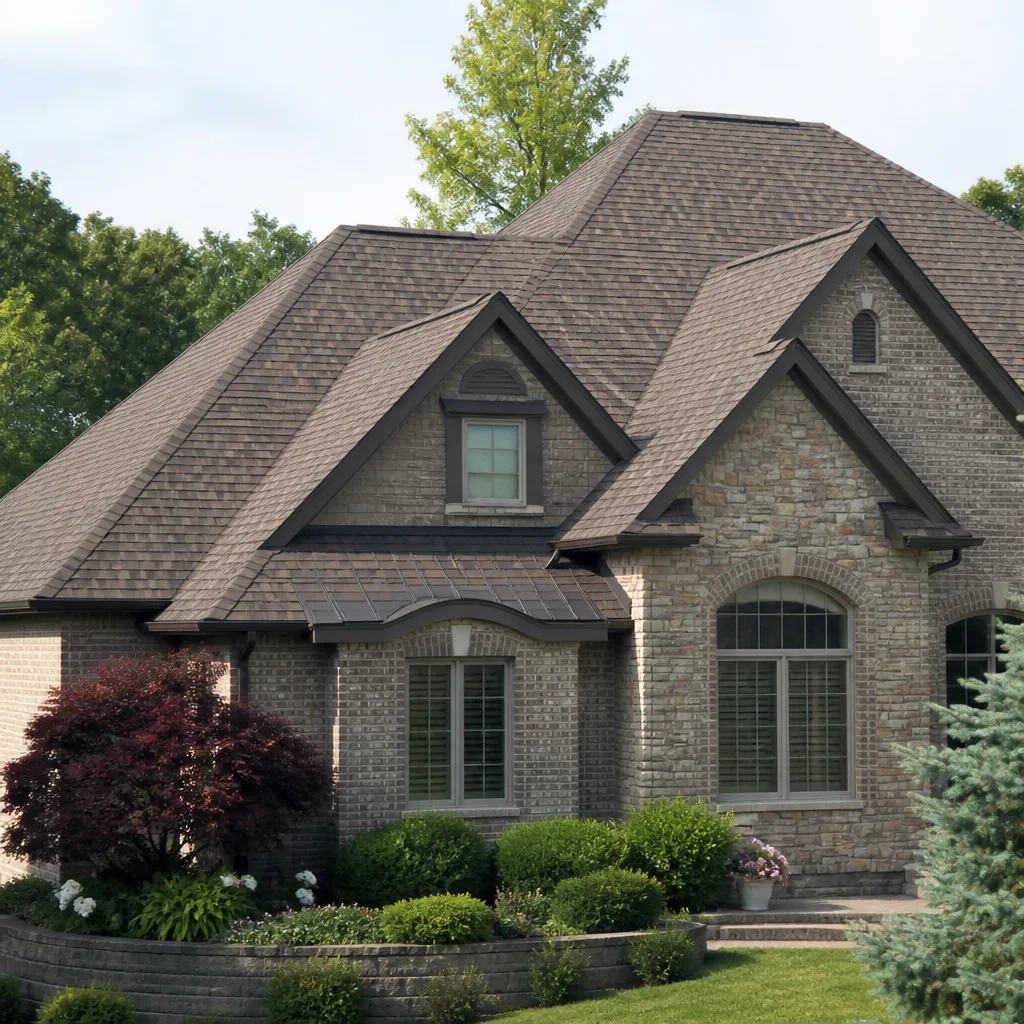 Owens Corning
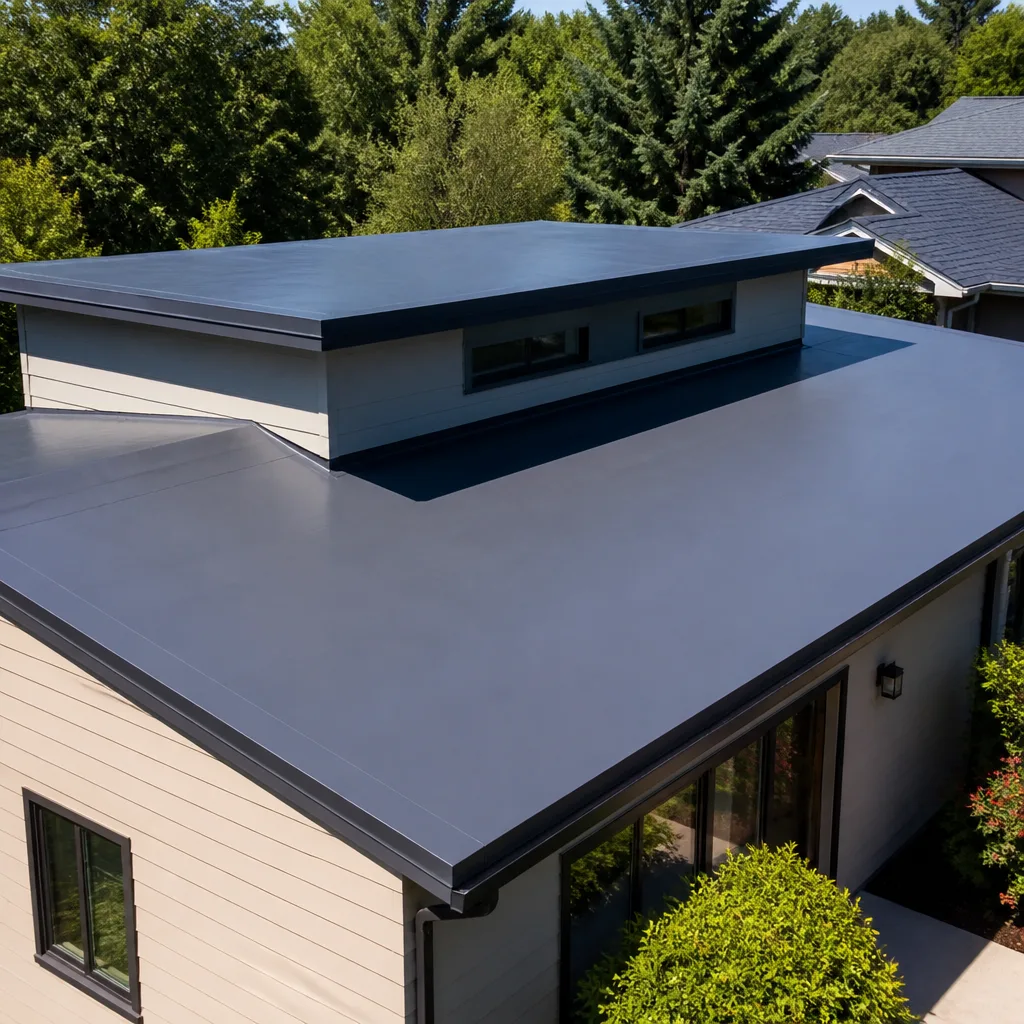 Flat & low-slope
Free roof inspection with deck photos before we talk money - GAF and Owens Corning certified installation
Roofing Cost Breakdown: The San Jose Homeowner’s Reference for 2026
The $18,000 bid and the $26,000 bid for the same San Jose roof replacement can both be honest, or both be wrong. Without knowing what’s inside each number, you can’t tell. This guide walks you through exactly what a roofing bid in San Jose should contain, why costs run 15 to 25 percent above national averages here, and how to read a proposal line by line so you know whether you’re paying for quality work or someone’s boat payment.
Quick Answer
A full asphalt-shingle roof replacement in San Jose typically costs $18,000 to $32,000 for a 1,800-square-foot home in 2026, with most homeowners landing between $22,000 and $28,000. Repairs run $450 to $1,800 for most single-issue fixes, and partial replacements fall between $4,000 and $12,000 depending on roof section size. Your actual number depends on roof pitch, story count, material choice, decking condition, and current permit and disposal fees in Santa Clara County.
Styles & brands we work with
Table of Contents
- The Line-Item Breakdown: What Every San Jose Bid Should Contain
- Why Santa Clara County Disposal Fees Hit Your Roofing Bill Harder Than You’d Expect
- How Roof Pitch, Story Count, and Access Complexity Are Priced in San Jose
- Repair, Partial Replacement, or Full Replacement: The Break-Even Math
- Payment Schedule Norms in San Jose: What’s Reasonable and What’s a Red Flag
- Material Options and What They Cost in 2026
- Common Mistakes to Avoid
- When to Call a Professional
The Line-Item Breakdown: What Every San Jose Bid Should Contain
A legitimate roofing proposal in San Jose is not a single number on a napkin. It’s a document that separates labor, material, and site-specific costs so you can compare bids fairly. Here’s what a complete replacement proposal should show in 2026, with typical ranges for a 1,800-square-foot single-story home with average access. These are real working numbers for the San Jose market, not national averages.
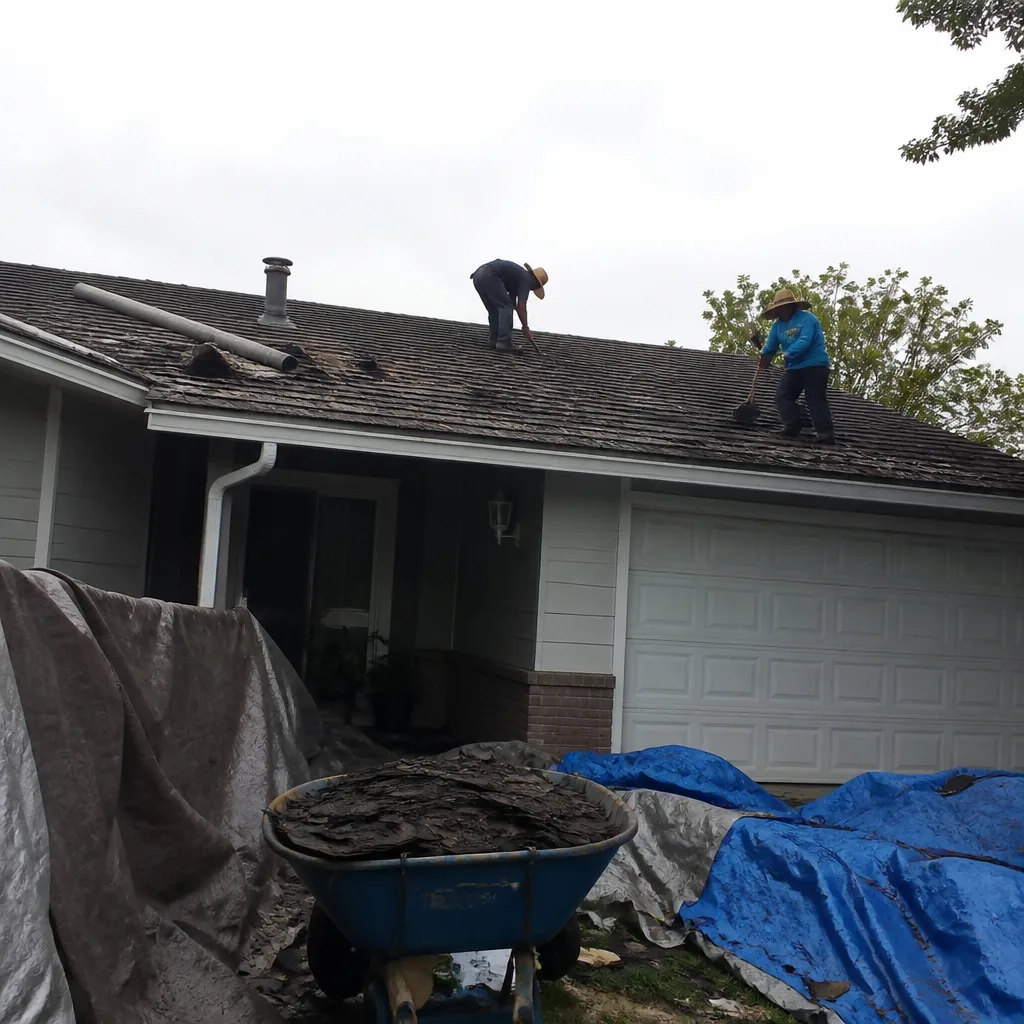
- Tear-off and disposal of existing roof: $2,800 to $4,500. Includes removing old shingles, felt, and any failed underlayment down to the decking.
- Decking inspection and repair: $0 to $2,400. Most proposals include $0 and add per-sheet charges for rot replacement. In San Jose’s older neighborhoods like Willow Glen and Rose Garden, where homes were built in the 1950s and 60s, we regularly see 4 to 8 sheets of damaged plywood or skip sheathing that needs replacement once the old roof comes off.
- Underlayment and ice-and-water barrier: $1,200 to $2,600. This is the synthetic layer or felt that sits beneath the shingles. San Jose may not get snow, but our winter rain season runs hard from November through March, and a quality underlayment is what keeps water out of your attic when wind drives rain sideways through the valley.
- Shingle material: $4,500 to $11,000 depending on grade and manufacturer. Standard architectural shingles from GAF, CertainTeed, or Owens Corning land on the lower end. Premium designer lines from Boral or higher-wind-rated IKO products push toward the top.
- Labor for installation: $5,500 to $9,500. San Jose labor rates run higher than Fresno or Sacramento for a simple reason: the cost of living here means roofers command wages that reflect the local market, and experienced crews are in short supply.
- Flashing, drip edge, and ridge cap: $700 to $1,600. This covers the metal pieces that seal the valleys, vents, chimneys, and the roof edge. Drip edge is the narrow metal strip along the roof perimeter that directs water into the gutters rather than behind them. Ridge cap is the vented material that runs along the peak and lets the attic breathe.
- Permit and inspections: $450 to $1,100. The City of San Jose requires a building permit for roof replacements, and the fee scales with project valuation. Inspections happen at key points like decking, underlayment, and final.
- Cleanup and hauling: $400 to $900. Beyond the tear-off disposal, this covers magnetic nail sweeping, which matters more than it looks. A lawn full of buried nails after the crew leaves is the most common legitimate complaint in this trade, and a professional crew runs a magnetic sweep as standard, not as an extra.
That’s a realistic total range of $18,000 to $32,000. When a San Jose bid comes in below that range, the missing money has to come from somewhere. Usually it’s one of the invisible layers: underlayment quality, permit skipping, or disposal fees that the contractor either underestimates or plans to bill later as a change order. At Tilehurst Roofing San Jose, our pricing philosophy is straightforward: a written price before any work starts, in your hands, with each of these line items called out. No change orders because someone “forgot” the dump fees. You can read more about how we price work on our Roofing Company in San Jose page.
Why Santa Clara County Disposal Fees Hit Your Roofing Bill Harder Than You’d Expect
Most national roofing cost guides treat disposal as a rounding error. In San Jose, it’s a line item worth understanding, because Santa Clara County transfer stations charge some of the highest tipping fees in Northern California. As of 2026, mixed construction debris disposal at county stations typically runs $110 to $140 per ton, and a full tear-off from a 1,800-square-foot roof generates 4 to 7 tons of material, depending on the number of layers being removed.
That math puts disposal alone at $550 to $980 before hauling costs enter the picture. Some materials, like asphalt shingles, are recyclable through specific local processors, which can reduce the tipping fee but adds a hauling leg that not every contractor runs. If a San Jose bid shows a suspiciously low disposal number, what you’re likely seeing is a contractor who either hasn’t priced the actual route or plans to pass through the real cost later. We’ve seen out-of-town contractors quote disposal as if they were dumping in a rural county, then add $700 to $1,200 in “surprise” charges at the end of the job.
The honest number is the one that’s written down before work starts. Tilehurst Roofing San Jose prices disposal at current Santa Clara County rates and keeps that line item transparent on every quote. You can verify the exact fee schedule on the county’s website, but the point is simpler: if a bid feels too good to be true on disposal, ask the contractor which transfer station they use and at what rate per ton. A professional will answer without hesitating.
How Roof Pitch, Story Count, and Access Complexity Are Priced in San Jose
Roof geometry drives labor cost more than any other single factor except material. Two identical houses may have roof replacement bids that differ by $6,000 simply because one roof is a simple 5:12 gable and the other is a 10:12 cut-up with hips, valleys, and a second story. Here’s how contractors in the San Jose market think about complexity, and what you can check before the first estimator arrives.
- Pitch: Anything up to a 6:12 pitch is considered walkable and prices at standard labor rates. Roofs at 7:12 to 9:12 need roof jacks and fall protection, and labor runs 15 to 25 percent higher. Above 10:12, crews work from scaffolding or toe boards, and labor can run 30 to 50 percent above base. Many San Jose homes built in the Eichler and ranch traditions have low-slope or flat roof sections, which price differently because flat roofs use membrane systems, not shingles.
- Story count: A single-story roof with easy ladder access costs less than a two-story roof that requires a taller ladder, longer material lifts, and more safety setup. Expect a 10 to 20 percent labor premium on two-story homes in neighborhoods like Almaden Valley and Evergreen, where second-story footprints are common.
- Access: If the crew can back a truck to the roof edge and stage materials on a driveway, access cost is minimal. If the home is on a hillside in the Santa Teresa foothills or has a narrow side yard with a gate, material staging takes longer, and some crews quote another 5 to 10 percent for access complexity.
- Roof features: Chimneys, skylights, solar panels, and plumbing vents all require custom flashing work. Skylights are the big one: each skylight adds $300 to $700 in flashing and curb work, and solar panel removal and reinstallation adds $2,000 to $5,000 depending on system size.
You can estimate your own complexity tier simply by standing on the street and looking at your roof. If it’s a simple rectangle with one main ridge and a gentle slope, you’re in the standard tier. If it’s a cut-up with dormers, hips, and multiple levels, expect the higher end of any range. Knowing this before bids arrive means you won’t be confused when two quotes from qualified companies are $5,000 apart. The difference isn’t dishonesty. It’s geometry.
Repair, Partial Replacement, or Full Replacement: The Break-Even Math
The question every San Jose homeowner eventually faces is whether to repair the leak, replace a section, or tear the whole thing off. For help spotting problems early, see our Roofing Warning Signs: A San Jose Homeowner’s Reference Guide. The answer hinges on your roof’s age, its overall condition, and simple arithmetic. Here’s the decision framework we walk our customers through.
Repair makes sense when: the roof is under 10 years old, the leak traces to a single flashing point or shingle run, and the surrounding field is sound. A typical repair in San Jose runs $450 to $1,800 depending on the issue. Valley flashing replacement might land at $800, while a full chimney reflash with new counter-flashing runs closer to $1,600. These are honest numbers for competent work.
Partial replacement makes sense when: one slope or roof plane is failing while the rest remains intact. This is common on San Jose homes where south-facing roofs take harder sun exposure and age faster than shaded north slopes. A partial replacement of one roof plane typically runs $4,000 to $12,000. The risk is matching: if the existing shingle color has been discontinued, the patch will never match perfectly, and some homeowners find that unacceptable. The savings only make sense if you can live with a visible difference or the remaining roof has less than 5 years of life anyway.
Full replacement makes sense when: the roof is 15 to 20 years old, you’re seeing granule loss in gutters, multiple leaks, or curling shingles across more than one plane. The break-even math is blunt: if repairs are costing you $1,500 to $2,500 per year and your roof has 5 years left, you’ll spend $7,500 to $12,500 patching a roof that needs $22,000 to replace anyway. You may come out ahead by replacing now and stopping the leak-and-patch cycle.
If you’re not sure where your roof falls in this framework, our Roof Repair in San Jose page explains the repair process and what inspections actually look at. We’re always straight about the break-even point. We’d rather tell you a repair will hold than sell you a roof you don’t need yet.
Payment Schedule Norms in San Jose: What’s Reasonable and What’s a Red Flag
Roofing is one of the few home improvement trades where a contractor asking for most of the money up front is a warning sign, not a standard practice. The industry norm in the San Jose market is a schedule that protects both parties: a deposit at signing, a payment when materials arrive, and the balance when the job passes final inspection.
Deposit at signing: 10 to 20 percent is reasonable. This reserves your spot in the schedule and covers permitting costs and initial material ordering. Any contractor asking for more than 30 percent before a single shingle is delivered is asking you to carry their cash flow. That’s not your job.
Payment at material delivery or tear-off start: 30 to 40 percent is typical. Once the shingles, underlayment, and flashing are physically on your property, the contractor has real costs in the ground. Paying this tranche when material hits your driveway, not before, is the correct sequence.
Final payment at completion: 40 to 50 percent, due only after the roof is installed, the site is clean, and the city inspector has signed off. Never accept a demand for 100 percent payment at completion before the inspection passes, and never accept a “cash discount” deal that skips the permit entirely. Learn more in our guide to Roofing Permits, Codes & Inspections in CA: What You Need to Know. In San Jose, unpermitted roof work creates a problem when you sell the house, and it’s the most expensive shortcut you can take.
At Tilehurst Roofing San Jose, the written price in your hands before work starts includes the payment schedule in the same document. Nothing is verbal. Nothing changes at the door. If you’d like to see a sample quote format before you commit to anything, call (669) 274-0078 and we’ll walk you through exactly what ours looks like.
Material Options and What They Cost in 2026
San Jose homeowners have more material choice than most roofing companies let on. If a contractor only offers one brand, you’re buying what’s convenient for their supply chain, not what’s right for your home. Here’s what honest pricing looks like across the common material tiers in 2026, based on what we install.
Entry architectural asphalt shingles: $14,000 to $20,000 for a full replacement. This includes brands like IKO and Tamko, which produce solid, code-compliant architectural shingles at lower price points. They aren’t premium products, but they’re honest workhorse shingles, and they’re appropriate when budget is the primary constraint.
Mid-grade architectural shingles: $18,000 to $26,000. This is where we see the most competitive value. GAF, CertainTeed, and Owens Corning all produce mid-grade architectural shingles with better wind ratings and longer warranty periods than entry lines. Atlas also sits in this tier with some excellent hail-and-wind-rated products, which matters in San Jose’s fall wind season when Santa Ana events push gusts over 40 mph.
Premium and designer shingles: $24,000 to $36,000. Boral’s heavyweight lines and the upper-tier CertainTeed and GAF products land here. You’re paying for thicker shingles, better color depth, and in some cases Class 4 impact ratings that can reduce homeowner insurance premiums. The insurance reduction alone won’t pay for the upgrade, but combined with a longer expected service life, the premium can pencil out over 25 years.
Standing seam metal: $35,000 to $55,000 for a full replacement. Metal roofing is a growing share of the San Jose market because it handles our dry summers and wet winters without granule loss, and it reflects heat rather than absorbing it. The premium is steep, but the lifespan is two to three times that of asphalt.
Tile roofing: $38,000 to $60,000, depending on whether you’re using lighter concrete tile or heavier clay tile. This is niche territory in San Jose, mostly on Spanish-style homes in neighborhoods like Rose Garden and parts of Willow Glen. Tile is gorgeous and lasts a lifetime, but it’s heavy, and the underlayment beneath it still needs replacement every 30 to 40 years. Our company name starts with tile because it’s the oldest weather barrier there is, and we respect the material enough to tell you when your roof structure can carry it and when it can’t. For a deeper look at what a full replacement involves, start with our Roof Replacement in San Jose page.
See the difference
 Before
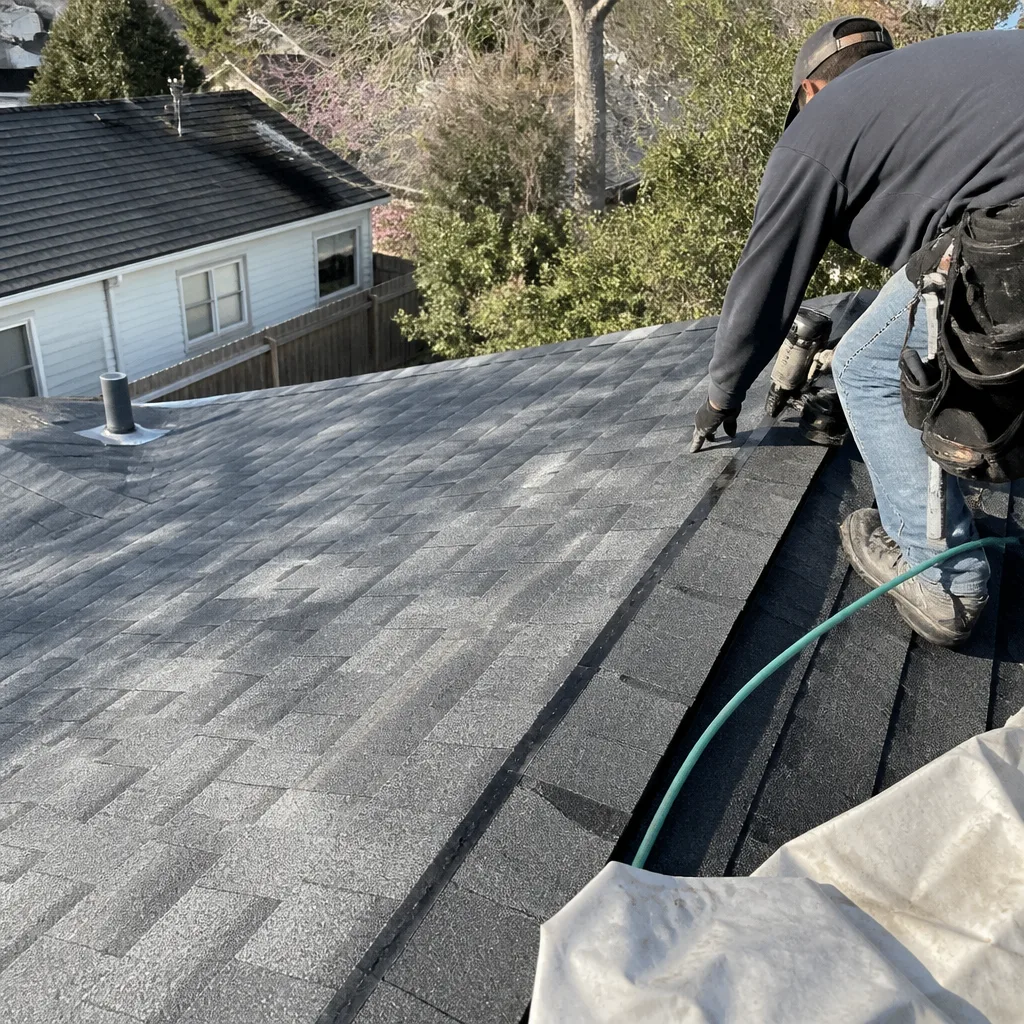 After
After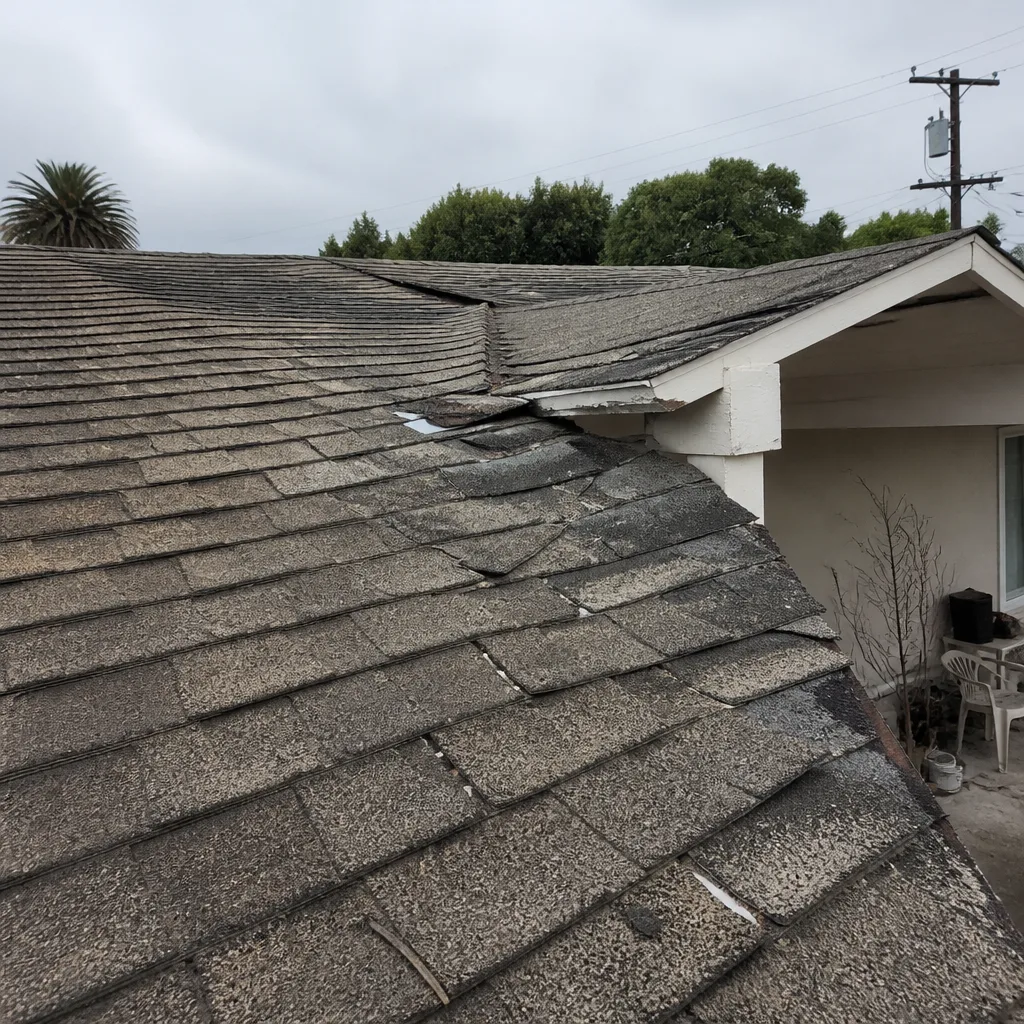 Before
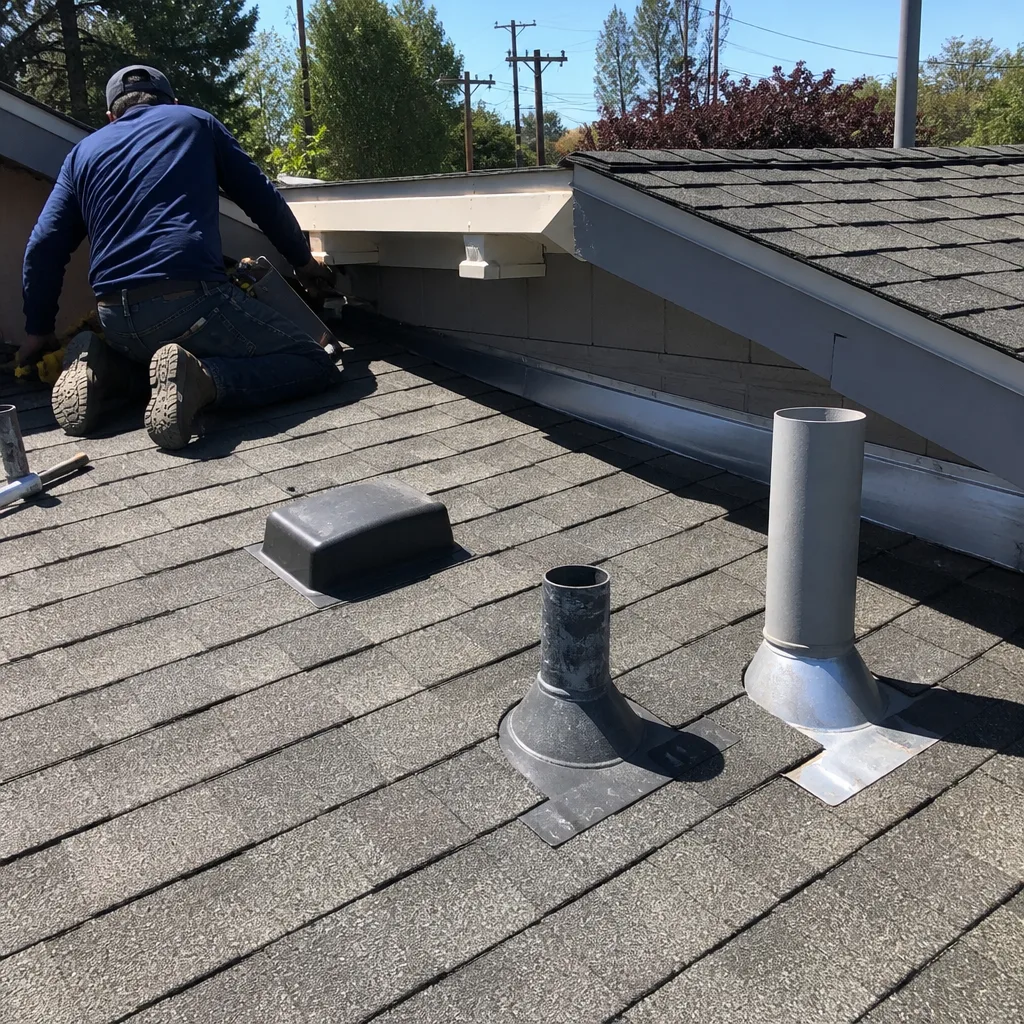 After
After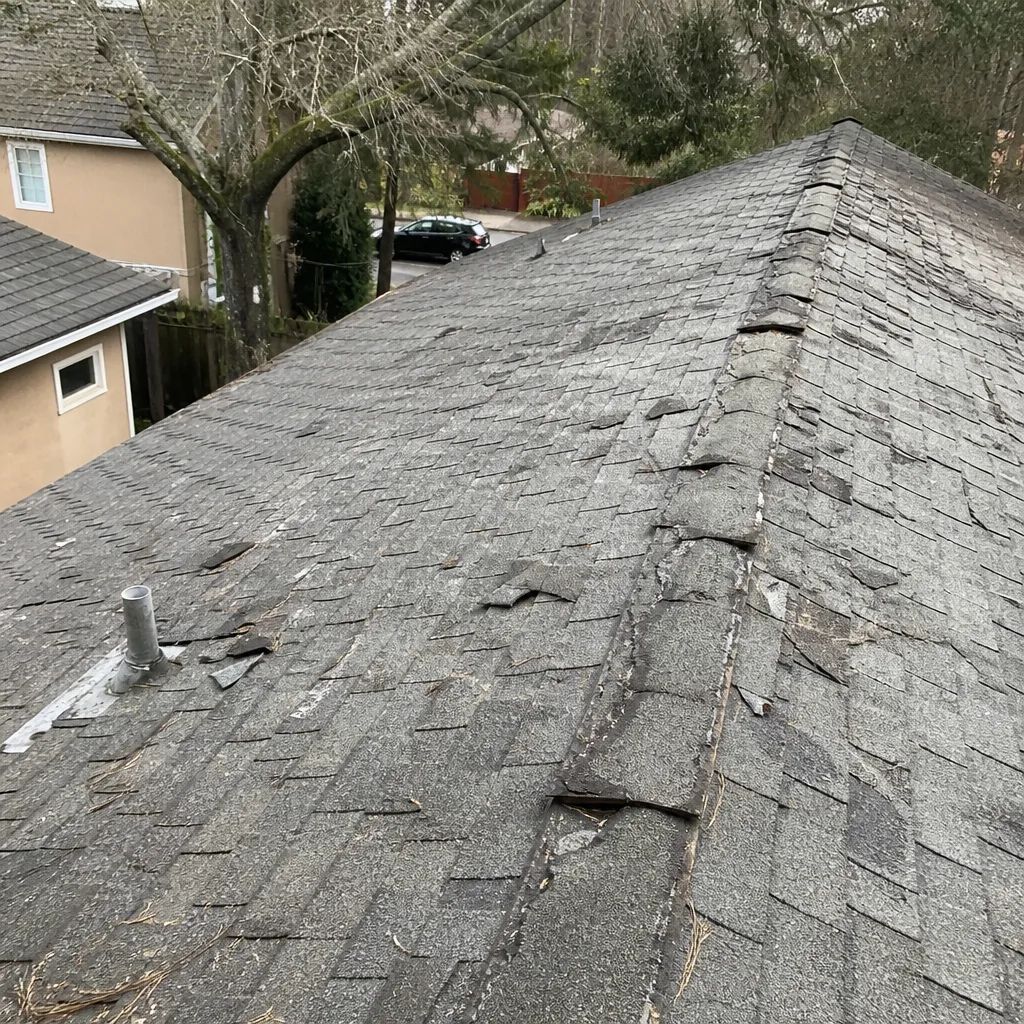 Before
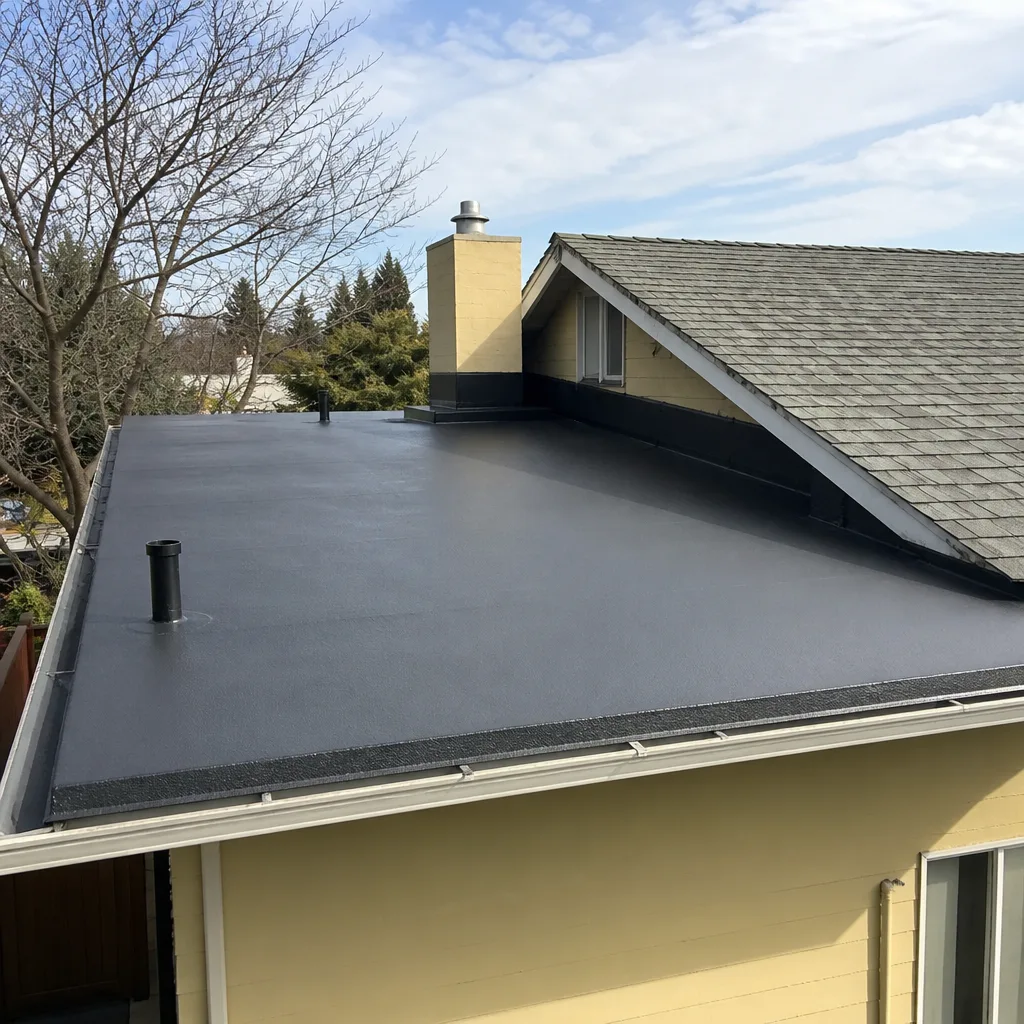 After
AfterCommon Mistakes to Avoid
- Comparing bids by the bottom line alone. The $18,000 bid and the $26,000 bid can both be honest. What matters is whether both include the same scope. Read the line items before you read the total.
- Accepting a bid that omits the permit. In San Jose, a roof replacement without a permit is a liability when you sell. The work may be fine, but the city records won’t show it, and that becomes your problem at resale.
- Paying more than 30 percent before materials arrive. A contractor who needs 50 percent upfront is financing their business with your deposit. The strongest companies don’t operate that way, because they don’t have to.
- Ignoring underlayment quality. The shingles are what you see, but the underlayment is what keeps water out during a wind-driven storm. A roof with premium shingles over cheap underlayment is a leak waiting for the next Pineapple Express.
- Choosing the lowest bid on a repair. A $400 patch from a handyman may stop the drip for a season. A $1,200 repair from a licensed roofer with a written guarantee comes back if it fails. Guess which one costs more over five years.
- Not asking who will be on the roof. In San Jose, subcontractor crews are common, and some homeowners don’t know who actually did the work until something goes wrong. Ask whether the company sends its own background-checked, uniformed technicians or subs out the job.
- Waiting until the leak is visible inside. By the time water stains show on the ceiling, the failure has been happening for months. A $350 inspection catches what a $4,000 water damage repair finds later.
When to Call a Professional
Call a roofing professional when you see granule loss in your gutters, curling or missing shingles after a wind event, daylight visible in the attic, or water stains on the ceiling. These are all signs of active failure. Call sooner if your roof is over 15 years old and you’re planning to sell: a worn roof shows up in the inspection report, and buyers in San Jose negotiate hard on roofing. Call immediately if a storm tears shingles loose and exposes the decking, because the next rain event turns a repair into a water damage claim. Tilehurst Roofing San Jose offers free estimates in San Jose, with a written price in your hands before any work starts. Call (669) 274-0078 to schedule yours, or start at our Tilehurst Roofing San Jose home page to see how we work.
Frequently Asked Questions
A full asphalt-shingle roof replacement in San Jose typically costs $18,000 to $32,000 for a 1,800-square-foot home, with most homeowners landing between $22,000 and $28,000. The range exists because roof pitch, story count, material tier, decking condition, and site access all move the number. Call (669) 274-0078 for a free, written estimate specific to your roof.
Three factors drive San Jose roofing costs 15 to 25 percent above national averages: local labor rates that reflect the cost of living in Santa Clara County, disposal fees at county transfer stations that run $110 to $140 per ton, and permitting costs that scale with project valuation. Contractors who quote national-average pricing in San Jose are usually undercounting one of these three.
Repair if your roof is under 10 years old and the leak traces to a single flashing point. Replace if your roof is 15 to 20 years old with granule loss, curling shingles, or multiple leaks across more than one plane. The break-even point is usually when repairs cost more than $1,500 to $2,500 per year on a roof with less than 5 years of life left.
A deposit of 10 to 20 percent at signing is standard in the San Jose market, followed by 30 to 40 percent at material delivery and the balance at completion after inspection passes. Any contractor asking for more than 30 percent before materials arrive is a risk flag.
Yes. The City of San Jose requires a building permit for roof replacements, and the work is inspected at key stages including decking, underlayment, and final installation. Unpermitted roof work becomes a liability when you sell the home.
It shouldn’t, and at Tilehurst Roofing San Jose, it doesn’t. The only legitimate change is decking repair if the inspector finds rot that couldn’t be seen before tear-off, and that should be priced per sheet in your original contract. A written price before any work starts is the Kingswell Way, and we never negotiate it away. Call (669) 274-0078 if you’d like to see exactly what a fixed written quote looks like.
The Bottom Line
San Jose roofing costs run higher than the national average because the labor market, disposal fees, and permit structure here are all more expensive than the rest of the country. For maintenance tips that can extend your roof’s life, read our Seasonal Roofing Care for San Jose: Year-Round Homeowner’s Guide. A fair replacement bid should show you the line items: tear-off, disposal, decking, underlayment, material, labor, flashing, permit, and cleanup. A fair payment schedule should never ask for more than 30 percent before materials hit your driveway. And the difference between a repair and a replacement comes down to age and arithmetic, not a contractor’s sales pitch. We believe in saying the price before the work, showing up when we said we would, putting the guarantee in writing, and coming back if anything fails. That’s how Tilehurst Roofing San Jose has always operated, and it’s how we’ll treat your roof.
Written by Greg Holloway, Owner at Tilehurst Roofing San Jose, serving San Jose since 2000.